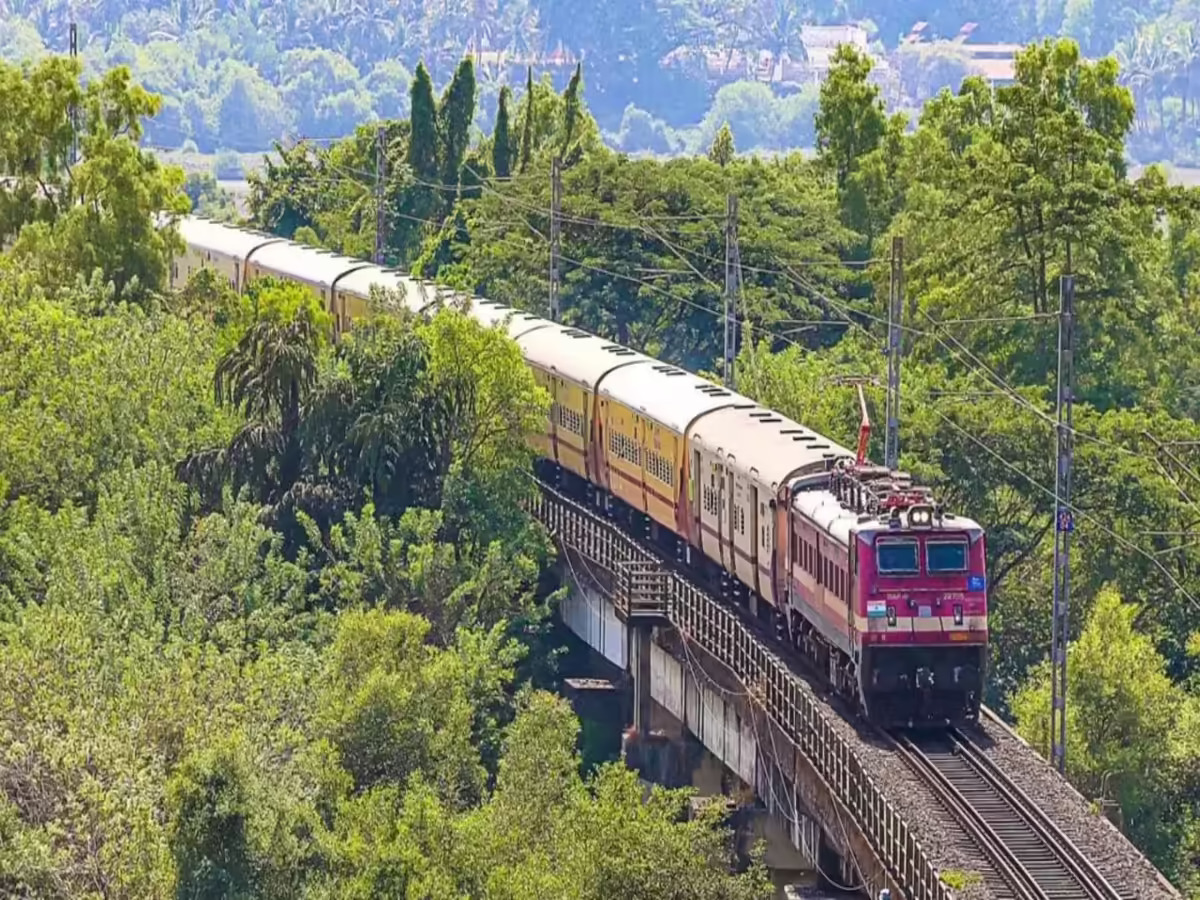
A long-pending rail infrastructure project aimed at creating a direct connection between Mumbai’s western suburbs and the Konkan region is advancing, with authorities initiating critical land measurement and clearance processes that could unlock the next phase of construction.
The proposed corridor, linking Vasai, Naigaon and Juchandra, is designed to eliminate existing detours and significantly reduce travel time for passengers heading from Mumbai towards coastal Maharashtra. Once operational, the line is expected to improve regional connectivity while easing pressure on existing suburban and long-distance rail routes. Officials involved in the process indicate that a joint land verification exercise involving district authorities, forest officials and railway teams is expected shortly. This step is essential for finalising land acquisition, which remains the last major hurdle before full-scale execution can begin.
The Mumbai Konkan rail link project, approved in 2023, covers a relatively short but strategically important stretch, including connections across both Western and Central Railway networks. By enabling seamless movement between corridors, the project is expected to reduce travel durations by several hours, particularly for passengers currently routed through congested interchange points. Urban transport planners view the initiative as a critical piece of infrastructure that can enhance multimodal integration across the Mumbai Metropolitan Region. Improved rail connectivity to the Konkan belt is also expected to support economic activity, tourism flows and labour mobility between urban and coastal districts.
However, the project’s progress is closely tied to land acquisition and environmental clearances. A portion of the required land falls within ecologically sensitive zones, including mangrove areas that serve as natural buffers against coastal flooding and biodiversity loss. Regulatory approvals for land diversion and environmental compliance are therefore being processed alongside technical surveys. Experts highlight that infrastructure development in such zones requires careful balancing of mobility gains with ecological preservation. Mitigation strategies, including compensatory afforestation and alignment optimisation, will be critical to ensure that environmental impacts are minimised while delivering connectivity benefits.
The Mumbai Konkan rail link project also reflects a broader push to strengthen rail-based transport as a sustainable alternative to road travel. Rail systems offer lower emissions per passenger and can play a key role in reducing congestion on highways, particularly along high-demand intercity corridors. From a financial standpoint, the relatively modest project cost compared to large-scale rail investments underscores its targeted nature. Yet, its potential impact on travel efficiency and network integration makes it a high-value addition to the region’s transport infrastructure.
As survey processes and approvals move forward, the focus will shift to execution timelines and coordination between multiple agencies. For commuters and regional economies alike, the project represents an opportunity to reconfigure travel patterns and improve accessibility between Mumbai and the Konkan region, provided implementation challenges are addressed in a timely and environmentally responsible manner.
Mumbai Konkan Rail Link Project Gains Fresh Momentum