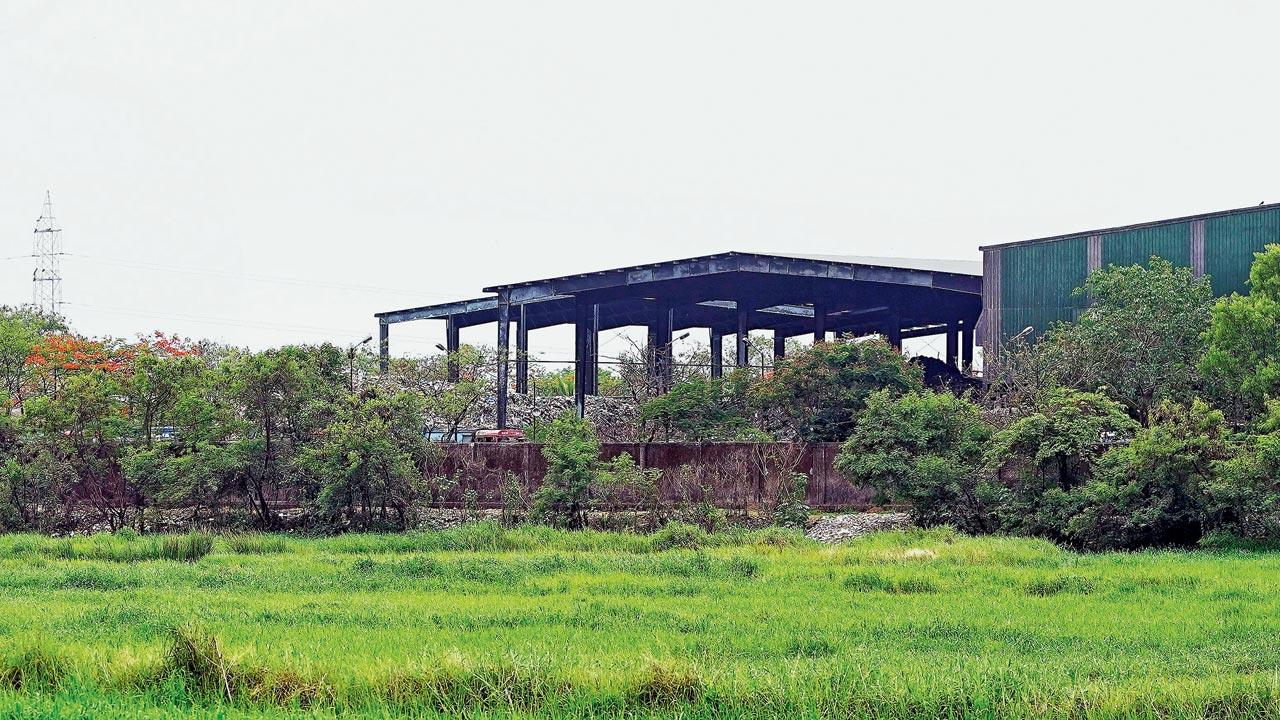
The Bombay High Court has raised concerns over the continued inaction on pollution complaints linked to the Kanjurmarg dumping ground, directing authorities to expedite their response as worsening air quality continues to affect residents living around the landfill. The court criticised a high-level committee, constituted in July to address the issue, for failing to conduct a single meeting or initiate corrective measures, despite repeated judicial reminders.
During the latest hearing, the court reviewed submissions from residents, the municipal corporation, and the state pollution control authority, noting that the lack of progress was inconsistent with the urgency of the health and environmental risks involved. A senior counsel representing the petitioners said the stagnation had left communities without relief despite their escalating concerns around odour, dust, and long-term exposure to landfill emissions. The committee in question comprises senior state administrators, including those overseeing urban development, environmental regulation, and municipal operations. It was expected to evaluate citizen complaints, examine cross-agency responsibilities, and propose actionable decisions for mitigating pollution. However, according to submissions, no coordinated review or planning exercise has taken place since its formation.
The matter originates from a series of public interest petitions that argued the dumping ground’s operations violate the principles of environmental protection and citizens’ right to health. Environmental groups had warned that the proximity of the site to dense residential pockets exacerbates public health vulnerabilities and contradicts sustainable waste-management practices expected in large metropolitan regions. During earlier hearings, the court had reiterated the need for a city-wide framework to identify suitable landfill locations equipped with modern processing technology to minimise emissions, groundwater contamination, and ecological degradation. Urban planners say Mumbai’s chronic dependence on large dumping grounds is incompatible with global best practices that favour decentralised waste processing, materials recovery, and low-carbon systems.
The court also reminded authorities that they were required to outline a detailed mitigation blueprint, including short-term relief for affected residents and long-term structural changes to waste management across the Mumbai Metropolitan Region. These recommendations were expected to involve consultations with the national environment ministry and regional municipal bodies to ensure a cohesive strategy. While the High Court had earlier declared a major portion of the Kanjurmarg site as protected forest land—directing its restoration—the order was subsequently stayed by the Supreme Court following an appeal by the state government. Environmental experts say the ongoing legal back-and-forth underscores the complexity of balancing civic needs, ecological protection, and long-term city planning.
The court has now scheduled a compliance hearing for 11 December, signalling that the issue will remain under close judicial scrutiny. For residents living around the site, the expectation is not only accountability but also a clear and sustainable pathway toward cleaner urban environments and more resilient waste-management systems.
Mumbai Kanjurmarg HC Seeks Urgent Steps After Delayed Dumping Ground Pollution Action