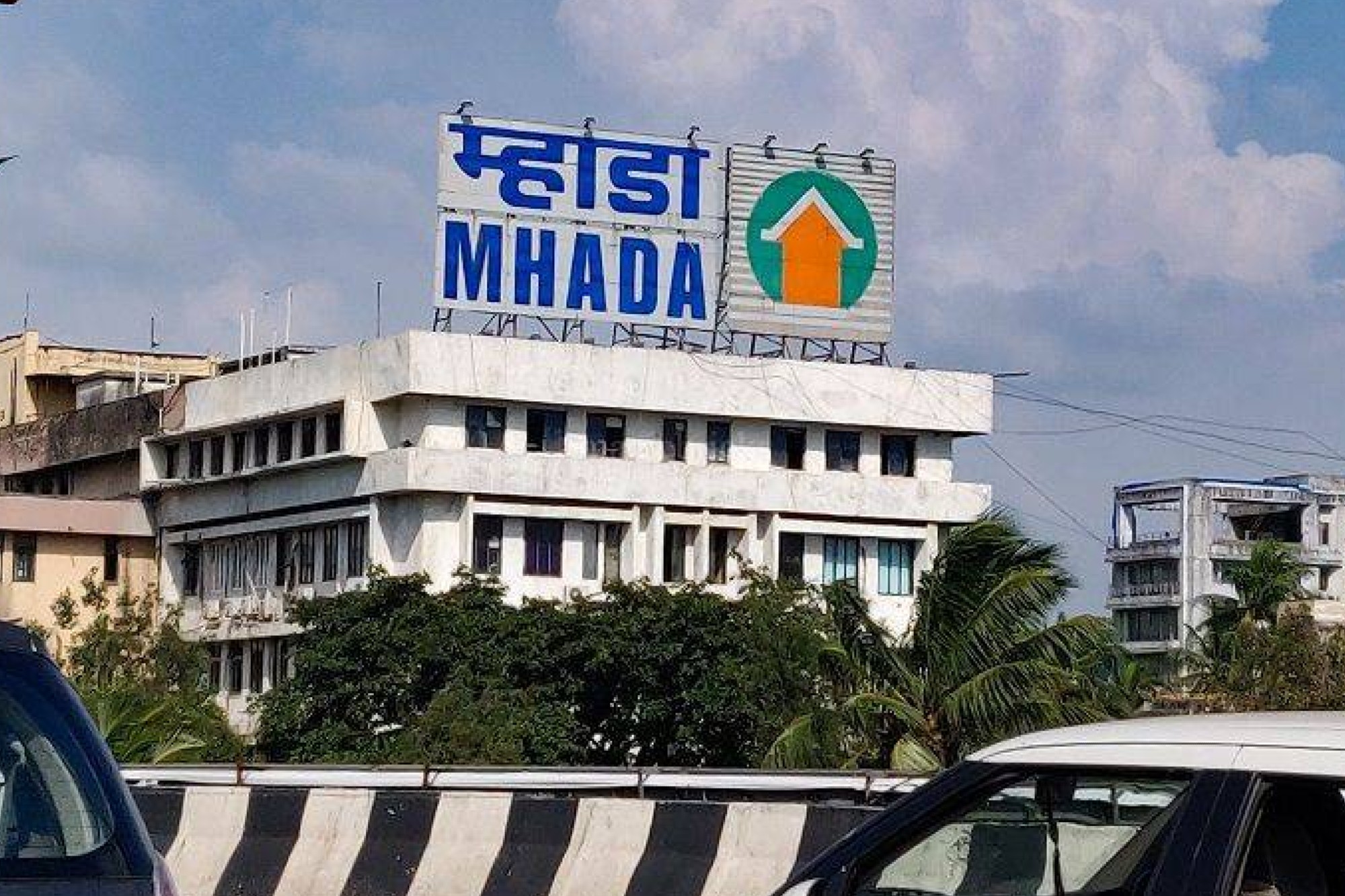
MHADA Drives Urban Renewal To Expand Affordable Housing
In a significant shift for community-led urban renewal, 53 housing societies in Mumbai’s Kandivali suburb are advancing a cluster redevelopment plan to transform their 26-year-old housing complex, potentially setting a new model for cooperative urban regeneration in India’s densest cities. The initiative could redefine living standards for thousands of families while highlighting broader challenges and opportunities in sustainable city planning.
The Chhatrapati Shivaji Raje Complex, a 12-acre MHADA layout housing 3,488 families in compact 225 sq ft units is prompting residents to explore collective redevelopment over individual rebuilding. Under the cluster model, adjoining buildings and open spaces are integrated into a larger project to boost infrastructure, widen internal circulation, and create safer, more liveable environments.Urban planners describe cluster redevelopment as an approach that goes beyond piecemeal upgrades. By consolidating multiple structures, the model supports holistic land use, expanded road networks, open spaces and civic amenities — crucial enhancements in a city where ageing housing stock strains both quality of life and infrastructure capacity.
The push comes amid growing consensus among residents: a committee reports that 34 of the 53 societies have formally backed the plan, surpassing the 60% consent threshold required under current norms. Talks continue with the remaining societies, as project stakeholders aim for broad support to ensure cohesive implementation.If realised, the redevelopment would nearly triple home size, with families moving from 225 sq ft to 610 sq ft homes under the Maharashtra Apartment Ownership Act (MOFA) provisions. This widening of space reflects urban residents’ prioritisation of livability, ventilation, and privacy — factors often compromised in decades-old estates built under earlier housing paradigms.
To bridge the transition period, the resident committee has proposed graduated rental support — starting at ₹25,000 per month in the first year and scaling up — along with transport allowances and a maintenance corpus fund. These financial safeguards aim to mitigate displacement stress while ensuring residents are not left vulnerable during construction.A project management consultant has been appointed and tender documentation is being prepared, with the redevelopment tender expected to be floated after mid-February. This timeline underscores the urgency among residents to address structural deterioration and outdated internal circulation — issues residents say compromise safety and daily life.
For Mumbai’s urban ecosystem, the Kandivali initiative underscores both the scale of housing renewal needed and the potential of cooperative action to unlock more sustainable, inclusive development. Analysts note that community-driven cluster redevelopment aligns with citywide goals to optimise land use, reduce informal density and integrate green infrastructure — themes central to climate-resilient urban growth.However, realising these ambitions hinges on clear regulatory pathways, credible development partners, and financing structures that protect resident interests. As policymakers and practitioners watch closely, Kandivali could become a replicable model for 21st-century urban regeneration in metropolitan India.