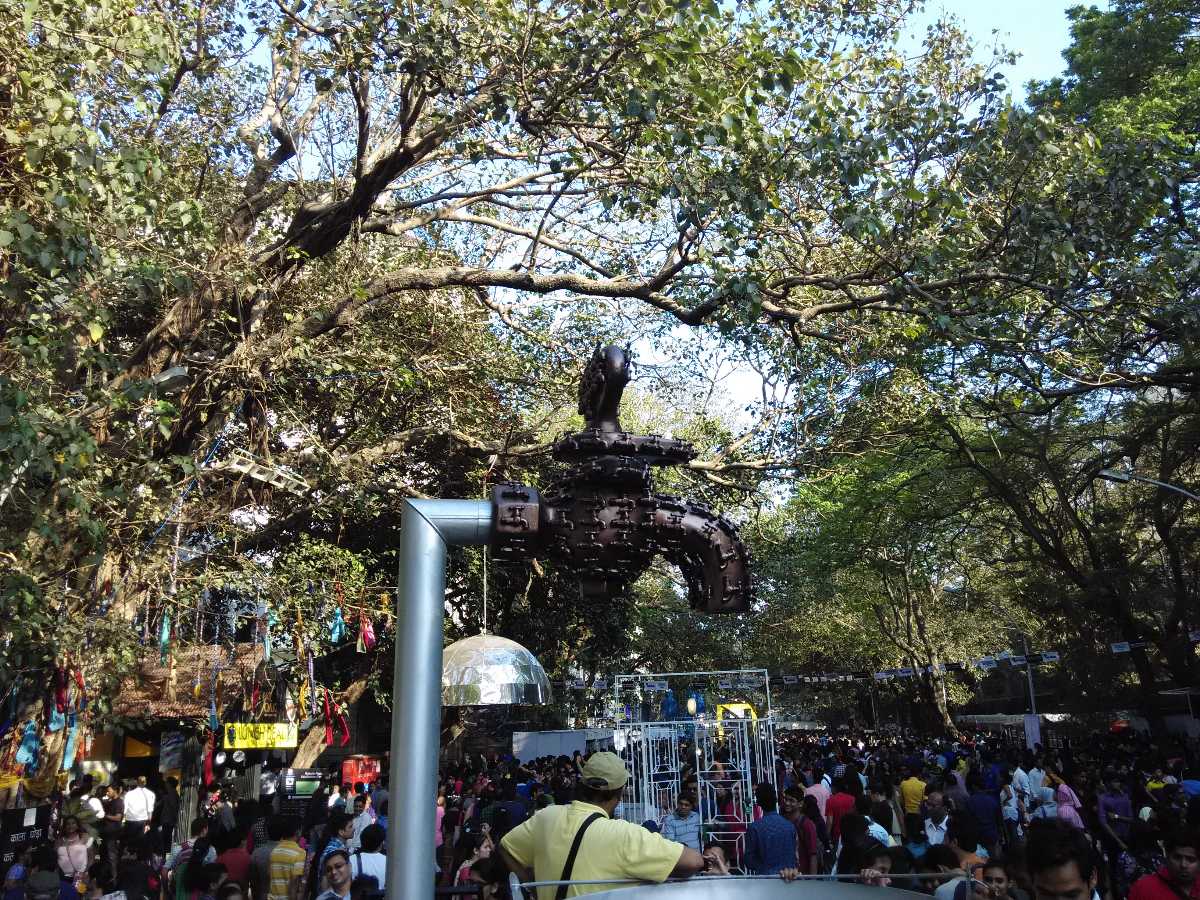
Mumbai’s Kala Ghoda precinct, one of the city’s most recognisable cultural districts, is set to reopen by the end of January after a comprehensive streetscape upgrade undertaken by the civic administration. The project, now in its final stages, aims to enhance pedestrian movement, improve visitor comfort, and strengthen the heritage value of the area that draws both residents and international tourists. Urban experts view the effort as a step towards creating a more inclusive and people-first public realm in south Mumbai.
According to senior civic officials, the transformation forms part of the broader beautification and public-space improvement drive across the island city. During a recent site inspection, senior administrators reviewed ongoing work and instructed teams to ensure that the final layout upholds visual harmony and remains sensitive to the neighbourhood’s heritage fabric. Officials noted that the precinct would be ready for public access by late January, provided finishing works proceed as planned. Kala Ghoda’s historic significance extends beyond its built form. The area has long served as a cultural anchor for Mumbai, housing museums, art galleries, cafés, boutiques and institutions that attract heavy footfall throughout the year. It also hosts the popular annual arts festival that reinforces its identity as a creative and community-centric hub. Its proximity to the UNESCO-listed Victorian Gothic and Art Deco ensemble further boosts its relevance on global heritage circuits.
The civic redesign includes improvements across five key roads: Saibaba Road, Ropewalk Lane, Dr VB Gandhi Road, Rutherford Street and B Bharucha Road. The first phase covers more than 3,400 square metres across a 500-metre stretch. The plan focuses on expanding walkable space, reorganising pedestrian movement and curbing conflict with vehicular traffic. To reduce congestion and make the area safer for visitors, the administration intends to restrict heavy-vehicle movement while installing modern barricades along the perimeter. A new plaza is being created at the B Bharucha Road junction using granite and basalt paving. This space will offer seating for residents, workers and tourists, enabling them to linger, socialise and engage with the neighbourhood’s cultural atmosphere. Curved pedestrian pathways have also been introduced to encourage slower movement and create a more relaxed visitor experience.
Officials emphasised the need for uniform signage and coordinated frontage design among eateries and shops to maintain aesthetic consistency. Urban planners argue that such guidelines are essential for strengthening a neighbourhood’s visual coherence—particularly in heritage precincts where cluttered signboards often weaken streetscape quality. The Kala Ghoda upgrade aligns with broader conversations on making Mumbai’s public spaces more accessible, climate-sensitive and community-oriented. By prioritising pedestrian comfort and celebrating cultural infrastructure, the project contributes to the city’s ongoing transition towards inclusive, low-carbon urban development. If executed effectively, the redesigned precinct could serve as a model for similar heritage districts seeking to balance economic vitality with sustainable public-realm design.
Mumbai Kala Ghoda Revamped Cultural Precinct Set To Open For Public By January End