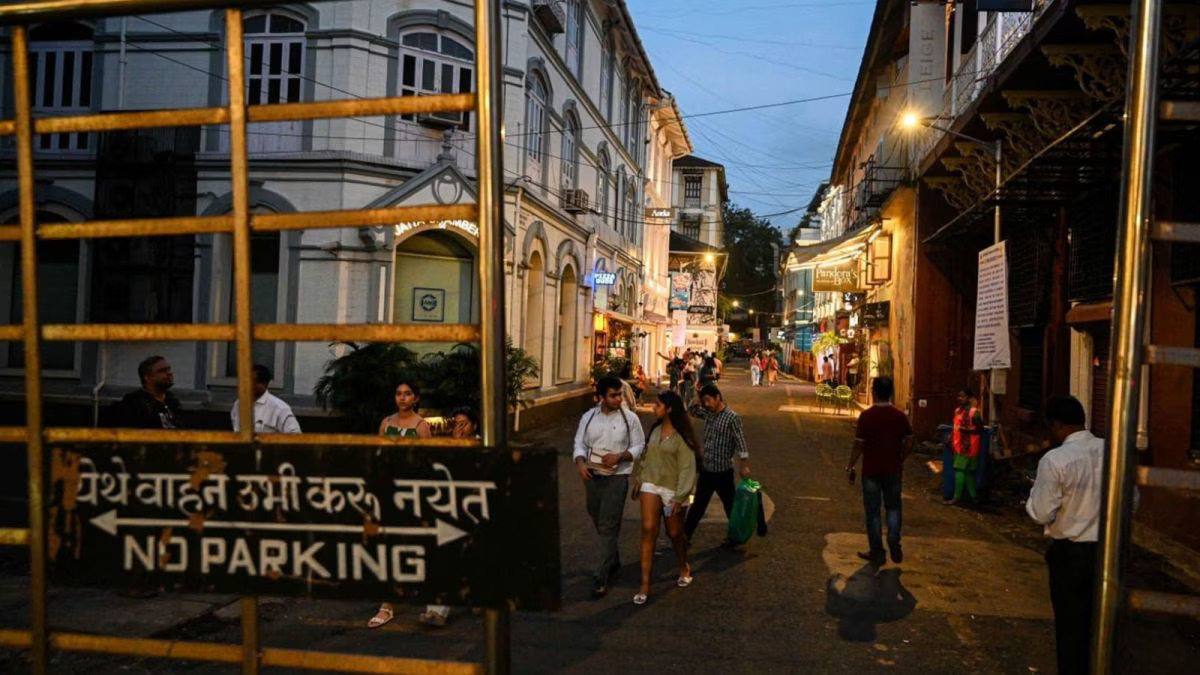
Mumbai’s historic Kala Ghoda district is preparing to introduce a pedestrian-first streetscape across several internal lanes, marking a significant step in the city’s efforts to reclaim public space for walking, culture and heritage tourism. Civic authorities have completed the first phase of redesigning multiple streets within the neighbourhood, with plans to restrict vehicle access during weekends to encourage pedestrian activity and cultural engagement.
The initiative, which forms part of a broader urban design programme by the municipal administration, covers several streets within the Kala Ghoda cultural precinct in South Mumbai. The upgraded corridors are expected to open to the public later this month, creating what planners describe as a more accessible and people-oriented urban environment. Under the redesign, around 3,400 square metres of streetscape has been reconfigured to support a Kala Ghoda pedestrian zone concept. The transformation includes cobblestone-style paving, improved walking paths, public seating areas, street art installations and curated spaces intended for cultural interaction.
Urban planners say pedestrianisation projects such as the Kala Ghoda pedestrian zone can significantly improve the usability of historic districts that attract large numbers of visitors but were originally designed for lower traffic volumes. By prioritising walking over vehicles during peak leisure periods, city authorities aim to reduce congestion while improving the overall visitor experience. Kala Ghoda has long been recognised as one of Mumbai’s most culturally significant neighbourhoods. Located near several major heritage landmarks, museums and art galleries, the district attracts both residents and international visitors throughout the year. Urban design experts say creating a pedestrian-friendly environment in such heritage areas can help protect architectural character while encouraging local businesses and cultural institutions.
To manage vehicle access, entry points to the pedestrianised streets have been equipped with automated bollards designed to restrict traffic during designated hours. Officials indicate that private vehicles will be allowed only during weekdays, while weekends will prioritise pedestrian movement and cultural activities. The project emerged after civic authorities conducted a pilot assessment to study whether reducing vehicle traffic in the area could improve walkability and safety. The results indicated strong potential for transforming narrow streets into shared public spaces where pedestrians, artists and small businesses could coexist.
Urban mobility specialists say pedestrian zones are increasingly seen as key components of sustainable city planning. By encouraging walking and reducing short-distance vehicle trips, such initiatives can lower urban emissions, improve air quality and enhance the vibrancy of public streets. City officials have also indicated that a second phase of development will include construction of an underground parking facility in the vicinity, designed to accommodate vehicles that currently occupy street space in the area. Once operational, the facility is expected to reduce surface parking pressure while supporting pedestrian-friendly streets.
For Mumbai, the Kala Ghoda transformation represents an experiment in reimagining heritage districts as people-centric urban spaces. If the initiative proves successful, planners suggest similar pedestrian-first designs could be considered in other historic neighbourhoods across the city.
Mumbai Kala Ghoda Pedestrian Zone Set To Transform Heritage Streets