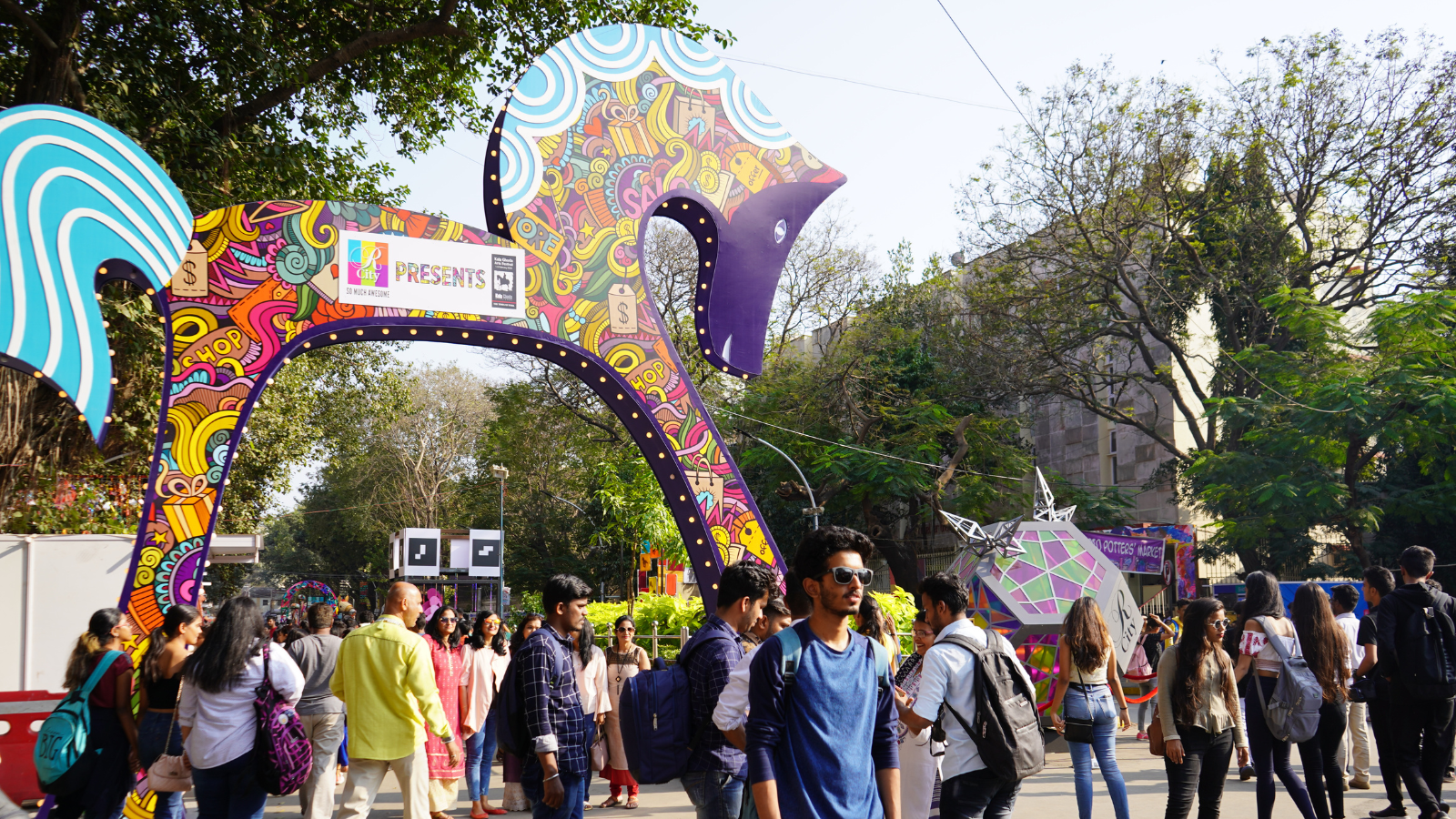
Mumbai’s historic Kala Ghoda precinct is preparing to transform into a large-scale learning and cultural commons as the annual arts festival opens later this month, placing children and families at the centre of its public programming. Beginning January 31, the festival’s children-focused initiatives are expected to draw thousands of young participants, highlighting how cultural infrastructure can support inclusive urban life beyond entertainment.
Spread across heritage venues and public institutions in South Mumbai, the festival’s children’s section has been designed as an experiential platform where creativity, science, movement, and storytelling intersect. Organisers say the aim is to encourage hands-on learning in a city where open, affordable cultural spaces for children remain limited, especially in dense urban neighbourhoods. Urban planners and education experts note that such initiatives play a growing role in shaping people-first cities. By activating museums, bookshops, and public courtyards as shared learning environments, the festival demonstrates how existing civic infrastructure can be repurposed to support child-friendly urban design without additional environmental burden.
This year’s programming includes workshops that combine art with sustainability, sensory exploration, and scientific thinking. Activities range from nature-based printing and material exploration to interactive sessions on food awareness, astronomy, movement, and theatre. These formats reflect a broader shift towards interdisciplinary learning that aligns with climate-conscious and inclusive education models. Festival officials indicate that accessibility and participation have been prioritised. Sessions are scheduled across different times of day, allowing families from various parts of the city to attend without relying heavily on private transport. This approach supports the wider goal of reducing the carbon footprint of large public events while encouraging walkable, transit-linked cultural participation.
From a city economy perspective, the children’s programme also supports small creative enterprises, educators, and cultural practitioners who operate within the informal and semi-formal urban economy. Industry observers say such platforms help sustain cultural livelihoods while strengthening Mumbai’s reputation as a city that invests in social infrastructure alongside physical development. Importantly, the children’s section reflects a move away from passive consumption towards co-creation. Workshops are designed to allow children to build, question, and experiment rather than merely observe. This participatory model, experts argue, fosters long-term civic engagement by introducing children to public spaces as places of belonging rather than exclusion.
As Mumbai continues to debate how its public spaces should serve future generations, initiatives like these underline the role of culture in building resilient, equitable cities. The coming days will test how effectively the festival balances scale with accessibility, and whether such models can be replicated across other neighbourhoods and cities seeking people-first urban growth.
Mumbai Kala Ghoda Festival Kicks Off January 31 Children Highlights