


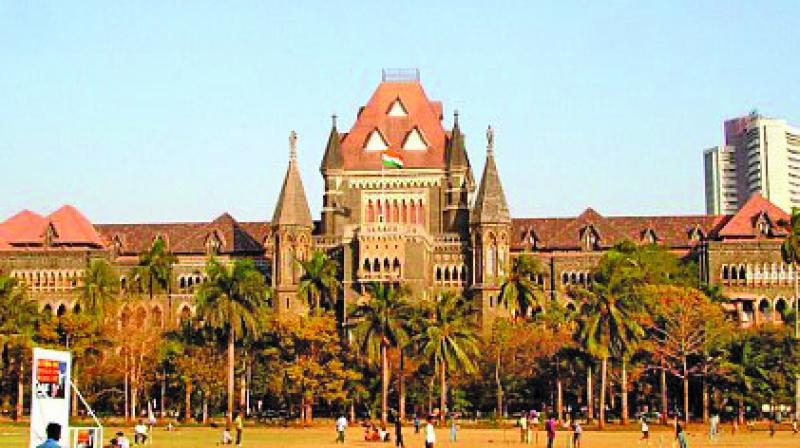
The Bombay High Court has once again expressed concern over the Maharashtra government’s delay in resolving the longstanding environmental and public health issues arising from the Kanjurmarg landfill. The site, which borders several residential neighbourhoods, has been a subject of multiple petitions citing air pollution, hazardous waste exposure, and deteriorating living conditions for nearby communities.
A division bench led by Justices Girish Kulkarni and Aarti Sathe reviewed a series of pleas relating to waste processing systems and the state’s compliance with previous judicial directions. The judges noted that despite earlier instructions to identify an alternate location and reduce toxic emissions at the site, very little progress has been reported. During earlier hearings in mid-2024, the court had termed the situation “intolerable” for the surrounding population. Officials and housing associations have repeatedly submitted complaints regarding persistent odour, smoke from decomposing waste, and the rise in respiratory illnesses in the area. According to residents, monsoon months amplify the challenges as stagnant leachate and damp air worsen air quality.
In response to the petitions, the court had previously instructed the Brihanmumbai Municipal Corporation (BMC) and the state government to establish a high-level committee chaired by the chief secretary and overseen by Deputy Chief Minister Eknath Shinde. The committee was tasked with coordinating inter-departmental responsibilities, assessing technological alternatives, and ensuring compliance with solid waste management regulations. However, the bench noted this week that the committee had failed to produce outcomes or timelines. Expressing dissatisfaction, the judges ordered the body to convene on 2 December and issue decisions only after consulting senior state leadership. Officials familiar with the matter said the directions signal a renewed push for accountability and clear implementation milestones.
Urban planners and waste management experts say the dispute underscores a systemic challenge for rapidly urbanising Indian cities: balancing infrastructural gaps, environmental health, and long-term sustainable growth. One consultant observed that cities cannot rely indefinitely on large centralised dumping sites and must instead adopt decentralised processing, segregation at source, circular waste systems, and policy enforcement. The issue also highlights the inequity embedded in urban environmental governance. Communities living closest to the site—many with limited mobility or political influence—continue to bear disproportionate exposure to pollutants. Residents have called for faster intervention, arguing that clean air should not remain a privilege.
With Mumbai positioning itself as a climate-responsible and globally competitive metropolis, stakeholders say the outcome of this case may shape future policy frameworks on waste management, health protection, and urban resilience. Whether the latest directive accelerates action will become clearer in the coming weeks.
Also Read: Mumbai GMLR First Phase Flyover To Open Connecting Goregaon And Mulund 2026
Mumbai Judges Slam Government Delay Addressing Pollution From Hazardous Kanjurmarg Landfill Site
