


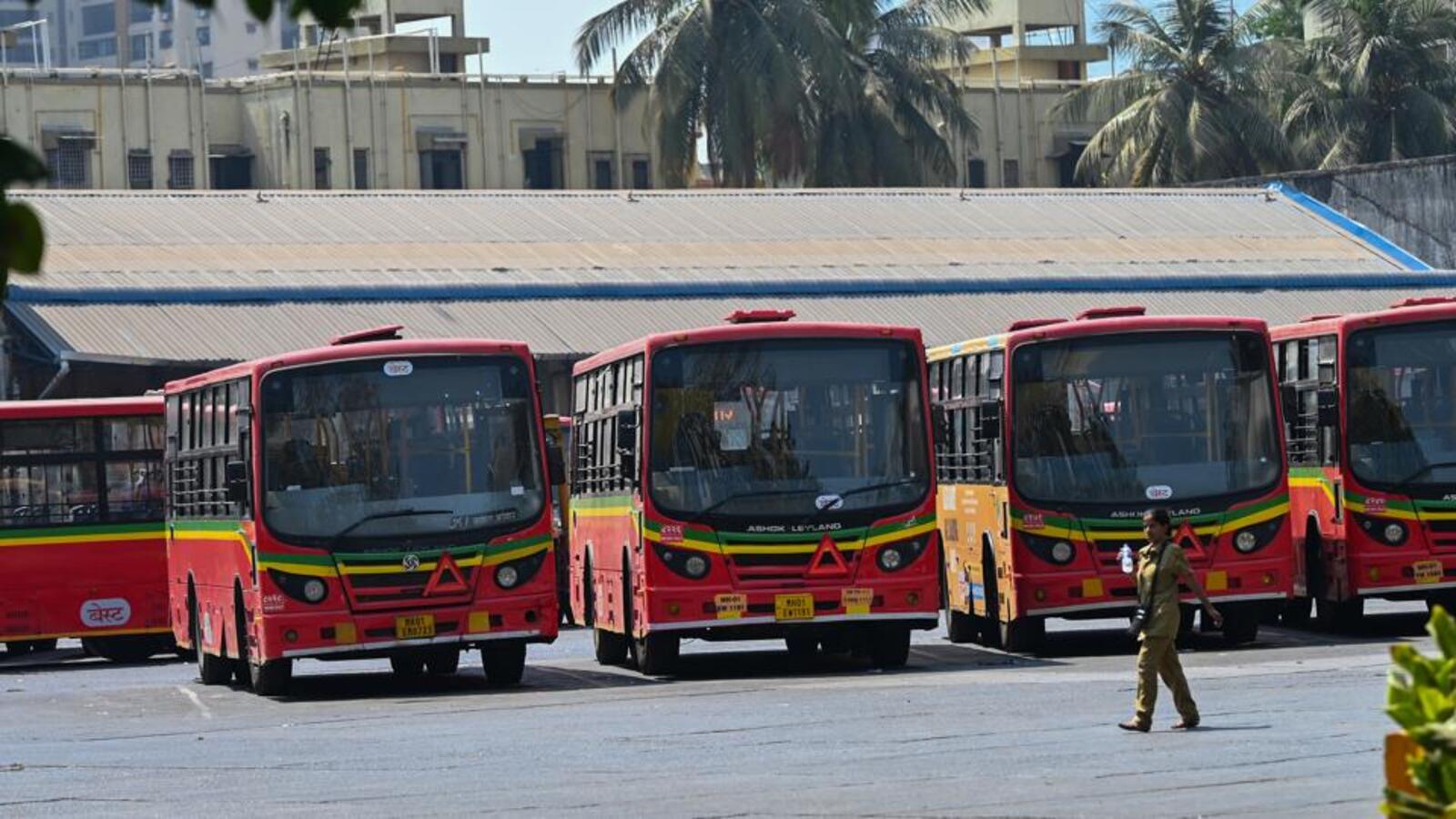
Mumbai’s public transport landscape is set for a significant shift as all full-length CNG buses procured under the Jawaharlal Nehru National Urban Renewal Mission (JNNURM) will be phased out by the end of this month. The Midi buses will follow shortly, trimming the BEST-owned fleet to its lowest level in over 15 years at around 250 buses, officials confirmed.
Since 2009, BEST had acquired 550 full-size and 250 midi Ashok Leyland CNG buses. These buses were equipped with LED destination displays, improved suspension, wider rear doors, and modern Ashok Leyland engines, making them some of the most advanced public transport vehicles on Mumbai roads. However, this 800-bus fleet is now being retired, marking the end of an era for city commuters who valued these services for comfort and reliability. The downsizing comes amid broader workforce and operational challenges. BEST workers’ union representatives recently met the new General Manager to urge restoration of the fleet to 3,337 buses, as stipulated in a 2019 Memorandum of Understanding between management and unions. The delegation also sought Diwali bonuses, Covid allowances, integration of BEST and BMC budgets, and equitable work allocation for contractual bus drivers.
Ridership trends underscore the urgency of fleet modernisation. Current commuter numbers have fallen to a 15-year low of 24 lakh passengers. BEST officials are accelerating deliveries of electric buses, with an active order book of over 4,000 units. The transition to e-buses is aligned with the city’s sustainability agenda, aiming to reduce carbon emissions, improve air quality, and modernise public transport while preserving commuter convenience. Experts note that while the retirement of JNNURM buses may temporarily reduce service frequency, the shift to e-buses offers long-term benefits. Automated operations, zero tailpipe emissions, and reduced maintenance costs are expected to strengthen Mumbai’s commitment to equitable, eco-friendly urban mobility.
Officials emphasised that one full-size JNNURM bus will be retained for driver training purposes, maintaining a link to the legacy fleet while preparing operators for the new e-bus network. As Mumbai moves towards this transition, the public transport ecosystem will experience both operational challenges and opportunities. The emphasis on sustainability, gender-neutral policies, and equitable commuter access will guide the future expansion of BEST’s services, ensuring that the city balances historical fleet retirement with modern mobility imperatives.
Also Read : Mumbai Approves Rs 481 Crore Aid For Flood Impacted Farming Communities
