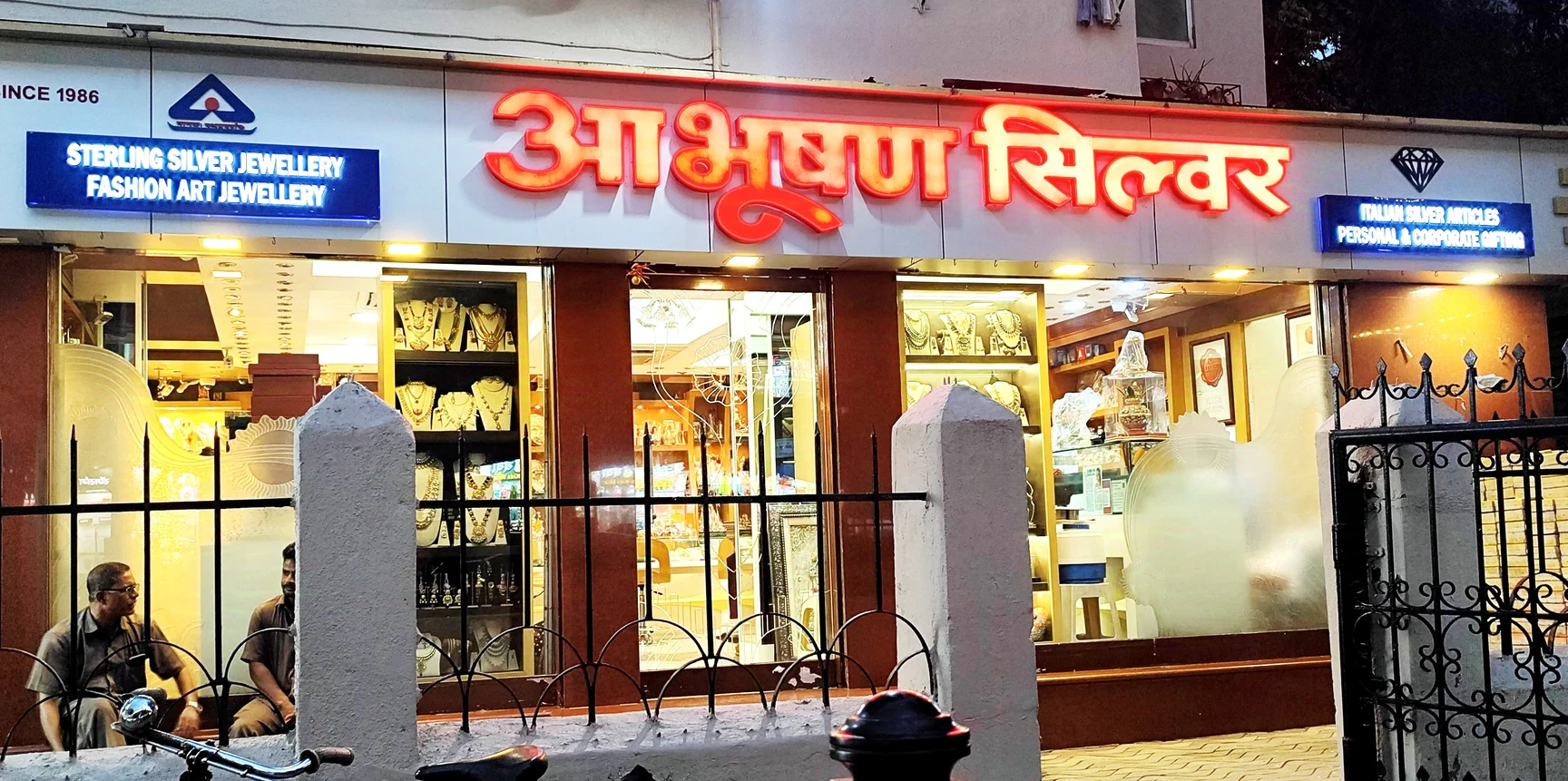
Mumbai jewellery makers push for revival through redevelopment model
Facing a sharp decline in trade and mounting economic pressure, traditional imitation jewellery manufacturers in Mumbai’s Bhuleshwar are calling for urgent redevelopment of their historic marketplace. Once a thriving hub for handcrafted jewellery, Bhuleshwar has seen its fortunes diminish in the face of cheap Chinese imports, outdated infrastructure, and a lack of modern facilities. Traders believe that transforming the old town area into a planned commercial-residential centre is now essential to safeguarding livelihoods and preserving the city’s artisanal heritage.
Imitation jewellery makers say the market’s decline began over a decade ago, as Chinese goods began entering Indian markets at lower prices, often undervalued in invoices. The damage has been stark: over 5,000 manufacturing units have shut down since 2022, pushing thousands of skilled workers into unemployment. In workshops across the city—from Malad to Vasai—jewellery-making processes such as plating and stone-setting have either stopped or moved elsewhere. With footfalls dropping in Bhuleshwar due to poor hygiene and decaying structures, the cluster redevelopment model now offers what traders see as their only path to survival. According to members of the imitation jewellery trade, redevelopment is not just about business—it is about protecting a generational skill base and reviving a market that still serves lakhs of customers across India. The current proposal involves 72 buildings and 35 landlords, who have come together to push for a cluster redevelopment model that would include upgraded residential and commercial spaces for workers and traders.
However, experts say that for a full transformation to materialise, at least 200 buildings must be part of the plan, highlighting the scale of participation needed for it to qualify under city planning norms. Industry voices have also called attention to the urgent need for tenancy reform, arguing that many traders operate under outdated agreements that hinder redevelopment efforts. The trade is mostly informal, with no large-scale support schemes or credit infrastructure. As the city plans cluster renewal in nearby areas like Kamathipura and Bohra Mohalla, traders are lobbying for Bhuleshwar to receive similar attention. They say that without proactive public policy support, a unique Mumbai craft ecosystem employing over 10 lakh people could be lost forever, with irreversible impacts on employment and cultural identity.
Bhuleshwar’s story is emblematic of how unregulated imports, policy inertia, and infrastructural neglect can erode long-standing local economies. Redevelopment alone will not fix these issues unless accompanied by targeted incentives for local manufacturing, customs enforcement to discourage under-invoiced imports, and inclusive planning that centres workers’ rights. If implemented with equity and sustainability at its core, the Bhuleshwar revival project could become a model for urban economic renewal rooted in heritage and dignity.