Mumbai Issues Heavy Rainfall Warning For Konkan, Maharashtra Ghats From August 15 To 18
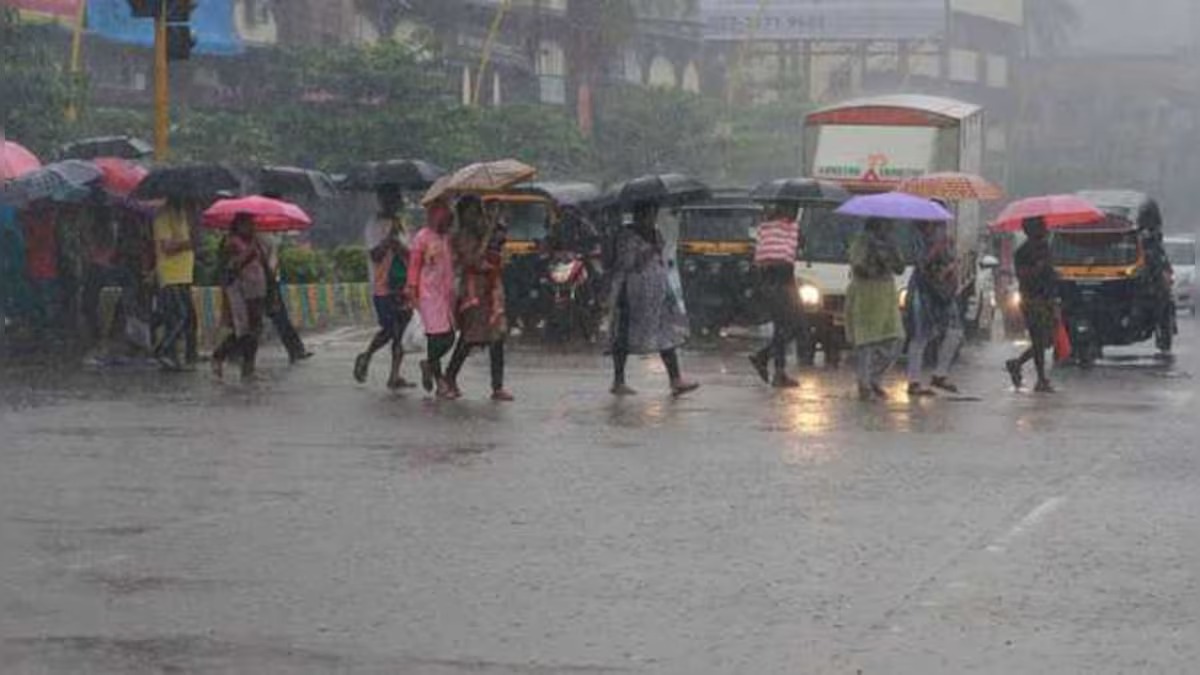
A significant low-pressure system developing over the Bay of Bengal is poised to invigorate monsoon activity across western India, prompting a heavy rainfall alert for the Konkan and Ghat regions of Madhya Maharashtra from August 15-18. This impending weather event serves as a stark reminder of the increasing vulnerability of urban centres to climate-driven phenomena. The forecast for intense downpours in major cities such as Mumbai and Pune underscores the critical need for resilient, sustainable, and equitable urban infrastructure to safeguard communities and the economy from the disruptive force of nature.
The India Meteorological Department (IMD) has issued a multi-tiered alert, reflecting the varying degrees of risk across the region. Districts including Palghar, Thane, and Mumbai have been placed under a heavy rainfall warning, while the Ghat areas of Pune, Kolhapur, and Satara are under an orange alert for heavy to very heavy rainfall at isolated places. These alerts trigger a cascading effect, with municipal officials and infrastructure authorities mobilising to mitigate potential flooding and waterlogging. The focus is on protecting vulnerable low-lying areas, where social inequities often mean the most at-risk communities face the greatest impact. The official advisory highlights the urgent need for citizens to prepare for traffic disruptions and check travel routes, with an emphasis on avoiding areas prone to water accumulation.
Experts believe that such erratic and intense weather patterns are increasingly linked to the broader challenges of climate change. For urban environments, this translates into immense pressure on aging drainage systems, leading to waterlogged roads, reduced visibility, and a significant increase in daily commute times. The disruption is not gender-neutral; it disproportionately affects daily wage earners and women who rely on public transport and safe passage through the city. Building zero net carbon cities necessitates a proactive approach to urban planning, including the development of advanced storm-water management systems and the preservation of natural water channels to ensure rainwater can be absorbed and processed efficiently.
Beyond the urban sphere, the agricultural sector in these regions also faces considerable threats. The official weather bulletin warns of potential damage to standing crops and horticulture due to inundation, advising farmers to take necessary precautions. This seasonal vulnerability highlights a critical intersection between environmental changes and economic stability. By building more robust and sustainable infrastructure, from advanced rail systems to improved road networks and flood defences, cities can not only withstand these events but also ensure the continuous flow of goods and services. The upcoming heavy rainfall period is more than a weather event; it is a live test of our urban resilience and our collective commitment to building a safer, more sustainable future for all.