Mumbai Integrates Rail With Metro Lines Nearing Operation To Ease Congestion
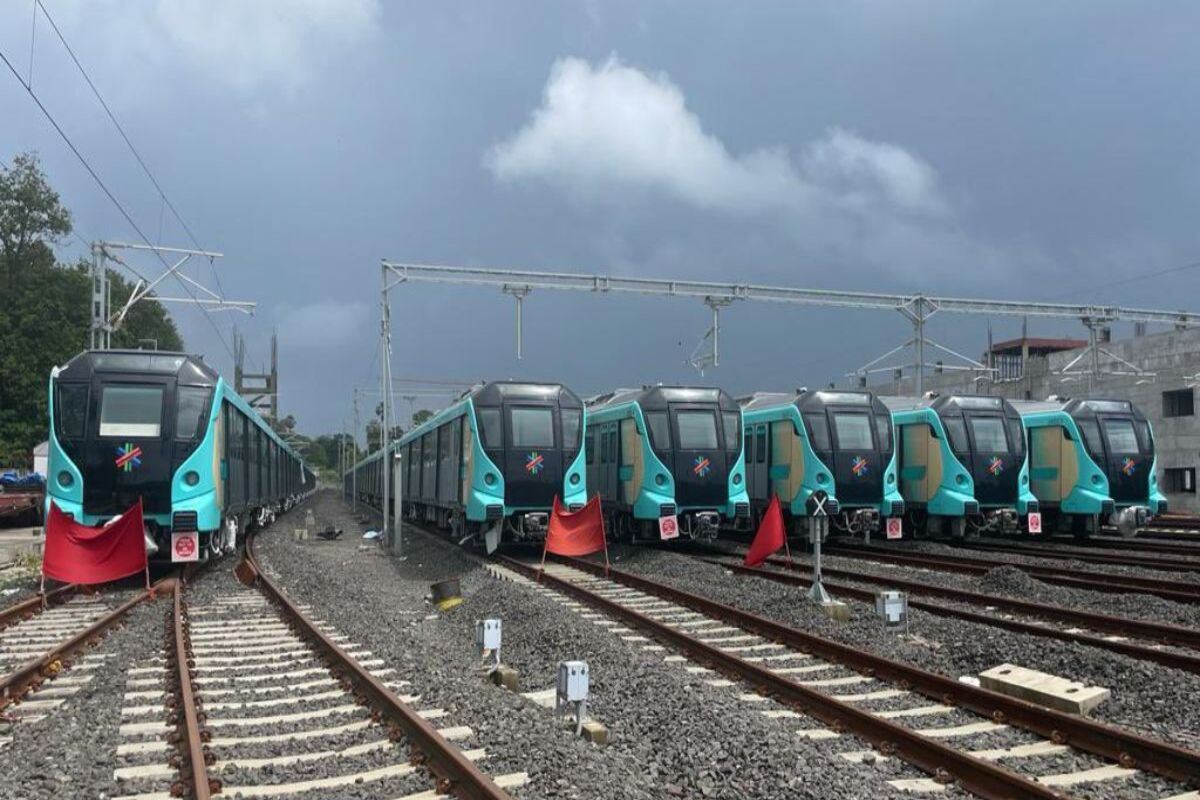
Mumbai is embarking on a pivotal urban transformation, with its vast railway network set to integrate seamlessly with the burgeoning metro system. This ambitious multi-modal integration initiative aims to alleviate chronic congestion, enhance commuter experience, and foster a more sustainable urban environment. With several new metro lines nearing operation, strategic planning is underway to ensure efficient passenger flow and equitable access across the city’s vital transport hubs, marking a significant stride towards future-ready infrastructure.
The core of this integration strategy involves a series of joint meetings between top railway officials and other transport authorities, focusing on measures to ensure seamless connectivity, especially at railway stations that will merge with the metro network. This proactive approach seeks to circumvent the logistical challenges previously encountered at existing interchange facilities, such as those at Andheri and Ghatkopar stations. By undertaking advance planning and redesigning, authorities aim to prevent a repeat of past chaos, ensuring a smoother transition for millions of daily commuters.
Several new metro lines are slated to become operational by the end of the year, significantly impacting suburban rail connectivity. For instance, Metro Line 2B will merge with railway stations at Bandra, Kurla, and Mankhurd, while Line 4 will integrate with Kanjurmarg and Kurla stations. Line 5 is set to merge with Kalyan, and Line 6 with Jogeshwari and Kanjurmarg. To facilitate this massive integration and decongest overcrowded stations, elevated decks spanning approximately 6.43 lakh square feet are being constructed across suburban stations on both Western and Central Railways. These decks will house essential amenities like ticket counters, toilets, food stalls, and commercial spaces, in addition to providing direct links to metro stations.
The comprehensive Multi-Modal Integration (MMI) plan extends beyond physical structures. It encompasses the development of wide footpaths, clearly marked pedestrian crossings, intuitive signage, and designated parking bays for various modes of transport, including buses, auto-rickshaws, cars, and aggregator cabs. These facilities will be strategically located within a 500-metre radius of metro stations, ensuring convenient and safe last-mile connectivity for all commuters. This holistic approach prioritises user experience, aiming to make public transport a more attractive and viable option, thereby reducing reliance on private vehicles and contributing to a greener, more sustainable urban landscape.
This transformative effort also aligns with the broader Amrit Bharat Station Development Scheme, which aims to modernise railway stations across the nation. By adopting similar measures and integrating them with the metro network, Mumbai is setting a benchmark for urban mobility. The focus on enhancing accessibility, improving passenger amenities, and fostering seamless inter-modal transfers will not only boost operational efficiency but also significantly improve the quality of life for the city’s diverse population, ensuring that Mumbai’s growth is both inclusive and environmentally conscious.