


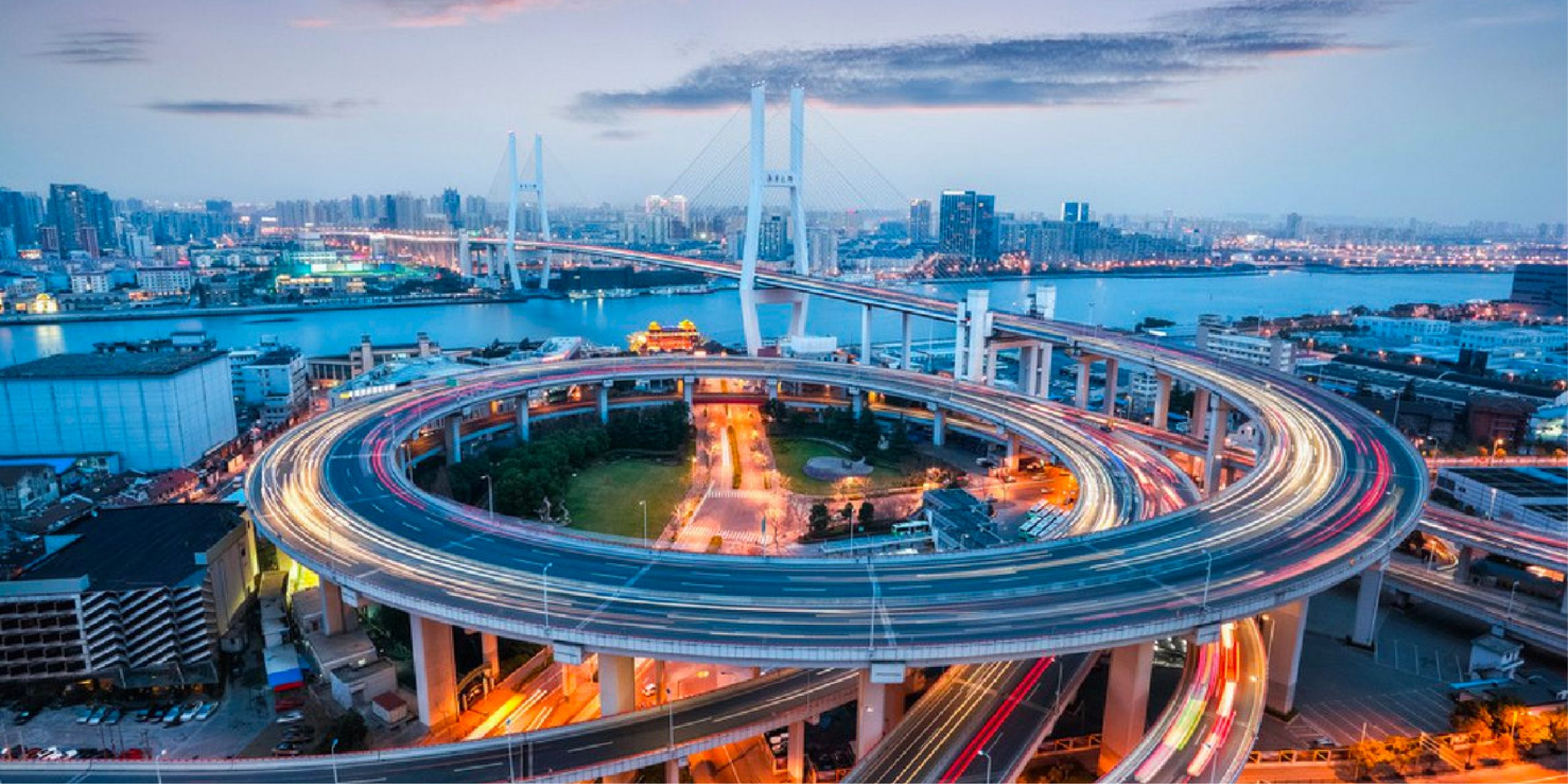
Mumbai’s ageing network of flyovers is set for a significant overhaul, with the state administration directing all agencies responsible for city bridges to complete resurfacing and repair work by February. The decision follows growing concerns about deteriorating riding conditions, safety risks for commuters, and the need to strengthen urban mobility infrastructure as Mumbai expands.
The directive emerged during a high-level review meeting led by a senior state leader who also oversees the Urban Development Department. Officials present confirmed that the government is creating a dedicated quality-control mechanism made up of technical specialists to monitor the repairs. This move aims to ensure consistent standards across agencies and avoid the recurring cycle of temporary fixes that have long frustrated road users. Mumbai’s flyover ecosystem is split across multiple authorities, often resulting in fragmented responsibilities. The Maharashtra State Road Development Corporation is in charge of five key flyovers, while a private concessionaire manages 19 structures. Additionally, the city’s municipal corporation is responsible for 42 flyovers that will also be taken up for resurfacing. Officials noted that a unified repair timetable could help reduce duplication, speed up work, and limit disruption in high-traffic corridors.
The plan also includes resurfacing of the Mumbai Trans Harbour Link, popularly known as Atal Setu, to address early-stage wear and ensure the long-term durability of India’s longest sea crossing. According to engineers familiar with the review, the directive reflects a broader push to maintain critical mobility corridors before the monsoon season and to improve safety outcomes for millions of daily commuters. Concerns over the poor surface quality of several flyovers—particularly those with heavy freight and bus movement—have been raised repeatedly in internal meetings, according to officials. Some civic groups and citizen collectives have also flagged pothole-prone stretches that pose risks to two-wheeler riders and contribute to congestion. Mobility experts suggest that systematic maintenance, rather than reactive patchwork, is essential for climate-resilient and equitable transportation networks in dense cities like Mumbai.
The opposition has criticised the state for delays in upkeep, arguing that consistent monitoring could have prevented deterioration. However, urban planners say the new quality-control framework, if executed transparently, could serve as a model for metropolitan asset management. They emphasise that well-maintained bridges are central to public safety, economic productivity, and reduced emissions, as smoother surfaces directly cut idling and fuel wastage. As the February deadline approaches, agencies are expected to coordinate night-time work schedules to minimise disruption. Officials added that updated progress reports will be reviewed fortnightly to keep the project on track. For commuters, the long-awaited repairs bring hope that essential mobility infrastructure will function more reliably, supporting a safer and more sustainable transport environment for the city.
Also Read : Maharashtra Cabinet Approves Iconic City Concept Development And Major MHADA Redevelopment Policies
