


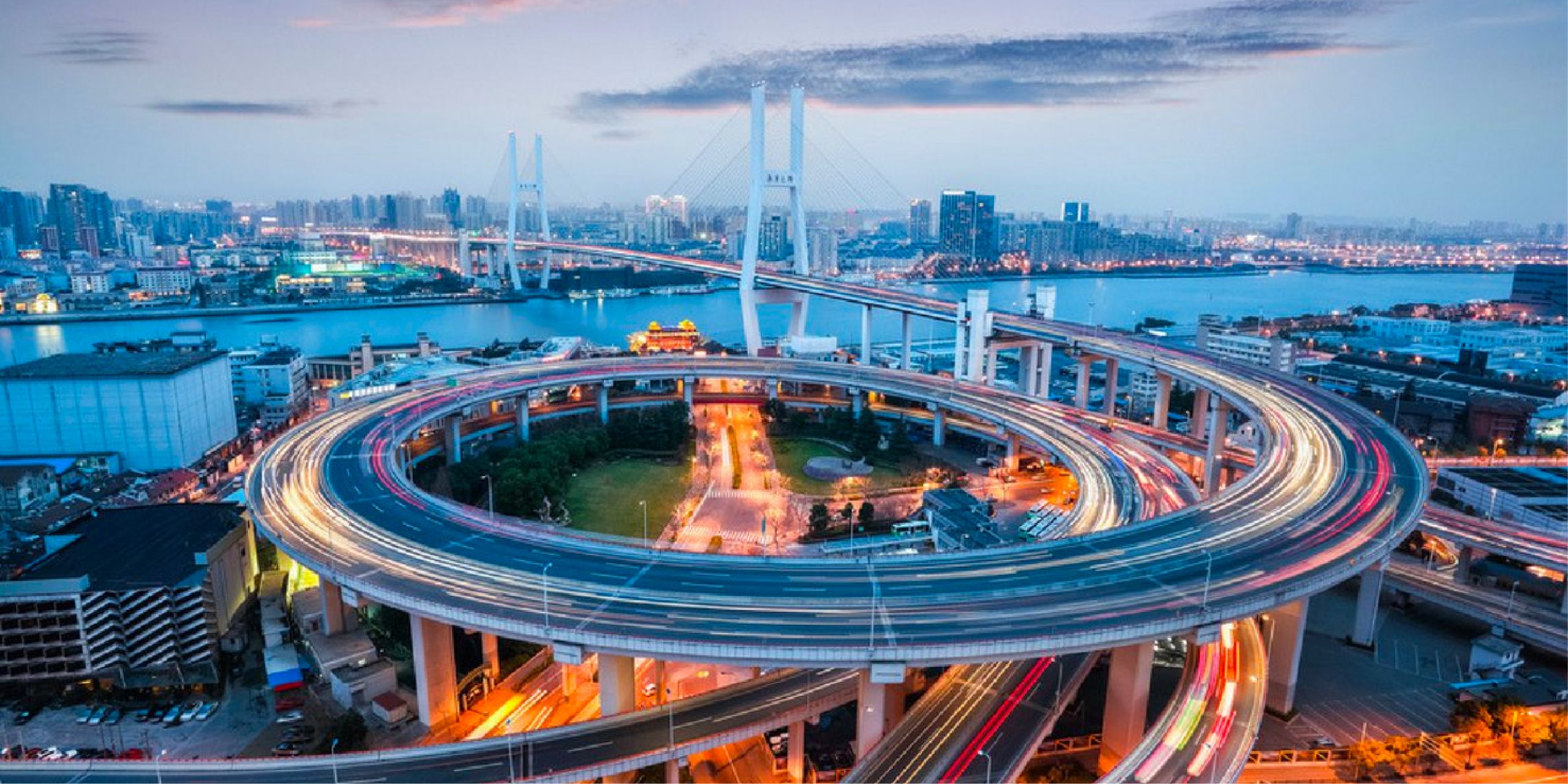
Mumbai’s western coastline is witnessing an early recalibration of property markets as the under-construction Bandra Versova Sea Link begins to reshape development patterns well before its expected completion. Stretching into the Arabian Sea as part of the city’s larger coastal road network, the project is already influencing investment decisions, redevelopment activity and land valuations across Bandra, Juhu, Versova and further north towards Madh Island.
Urban planners say the Bandra Versova Sea Link is emerging as a critical connector in Mumbai’s long-term mobility framework, designed to reduce pressure on the Western Express Highway while cutting east-west travel time across dense neighbourhoods. Once operational, the link is expected to enable a 15-20 minute commute between Bandra and Versova, a shift with direct implications for housing demand, workplace accessibility and residential density along the coast. Market activity along the corridor has picked up as developers move to consolidate ageing housing stock through redevelopment. In Bandra’s coastal precincts, several older residential buildings have entered negotiations for reconstruction, driven by expectations of improved connectivity and stronger end-user demand. Industry experts note that redevelopment economics have improved as planning norms have evolved, allowing better utilisation of land without expanding the city’s footprint inland. Juhu, long constrained by height and planning restrictions, is also seeing renewed interest in structured redevelopment. While aviation and defence-related limitations remain, improved access and infrastructure certainty have made some low-rise plots viable for modern residential formats. Analysts point out that the area’s appeal lies not only in sea frontage but also in reduced dependency on congested arterial roads once coastal connectivity becomes operational.
Further north, Versova has emerged as a focal point for mid-market redevelopment. Improved road access is expected to ease daily congestion for residents commuting to employment hubs across the western suburbs. Real estate advisors tracking the area say competition for redevelopment rights has intensified, signalling confidence in sustained housing demand rather than short-term speculation. Madh Island, traditionally perceived as peripheral, is also entering investor conversations due to proposed secondary links and improved access from Versova. Urban economists caution, however, that growth in ecologically sensitive zones will need careful regulation to balance housing demand with coastal resilience, drainage capacity and environmental safeguards. The Bandra Versova Sea Link highlights a broader shift in how infrastructure shapes Mumbai’s housing geography. Instead of pushing growth outward, the project is encouraging reinvestment in existing neighbourhoods, potentially reducing commute emissions while revitalising older urban fabric. However, experts stress that transport efficiency must be matched with upgrades in water supply, sewage systems and public open spaces to ensure liveability keeps pace with construction.
As Mumbai advances its coastal road network, the next phase of impact will depend on how effectively infrastructure-led growth is integrated with inclusive planning, climate adaptation and neighbourhood-scale services factors that will determine whether connectivity gains translate into long-term urban resilience.
Also Read: Mumbai Pune Housing Projects See Strategic Funding Boost
Mumbai Infrastructure Push Accelerates Suburban Redevelopment
