Mumbai Infrastructure Plan Unveiled To Boost Urban Growth
Maharashtra’s ruling administration has unveiled an ambitious infrastructure and urban development action plan aimed at positioning Mumbai as a “world‑class city” with improved connectivity, housing, public spaces and investment appeal. The set of policy directives presented by the state government reflects growing recognition that robust physical and social infrastructure is central to sustaining economic growth, climate resilience and inclusive urban living in India’s largest metropolis.
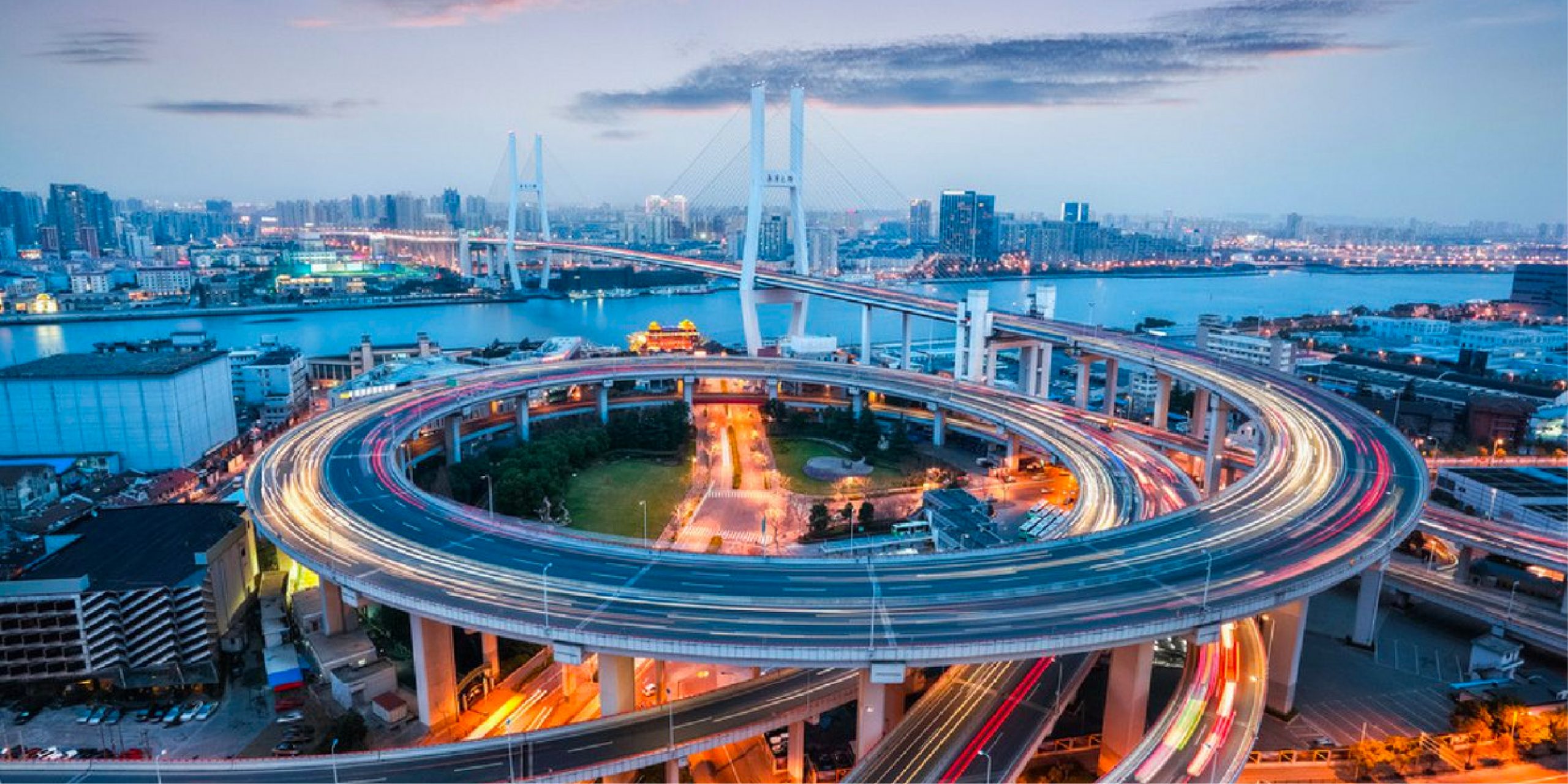
Deputy Chief Minister and Minister for Urban Development, Housing and Public Works has steered the strategy with a focus on practical improvements for commuters, residents and investors alike. At its core, the blueprint seeks to accelerate major infrastructure projects — from transport corridors and coastal routes to urban renewal and housing — while tightening execution timelines and fostering accountability across civic and state agencies.A key emphasis is on major mobility enhancements, including ongoing work on the city’s extensive coastal road and elevated corridors designed to reduce congestion across Mumbai’s sprawling urban footprint. These projects are expected to improve travel times, strengthen regional connectivity and ease strain on existing transport arteries, particularly for daily commuters and logistics flows.
Beyond traffic and transit, officials have reiterated commitments to urban greening and public space development, signalling investments in large‑scale parks and recreational infrastructure that aim to improve quality of life while addressing climate adaptation needs. Comprehensive plans have been discussed for linking green corridors with existing and future transport infrastructure, supporting both pedestrian mobility and environmental sustainability.The action plan also dovetails with long‑term housing and redevelopment initiatives across the Mumbai Metropolitan Region (MMR). Current government efforts to expedite the redevelopment of aging buildings and slum clusters, expand affordable housing stock through the Maharashtra Housing and Area Development Authority (MHADA), and unlock stalled urban renewal projects reflect a push toward more inclusive urbanisation that balances heritage conservation with modern standards of living.
Economists and urban planners emphasise that such infrastructure expansion — if backed by clear governance frameworks and adequate funding commitments — could unlock further investment into Mumbai’s real estate and services sectors, attract talent and boost economic output. Increased private sector participation in infrastructure delivery, coupled with targeted public funding, is seen as essential to bridge gaps in housing, transport and public amenities that have historically constrained the city’s growth potential.However, experts also caution that equitable outcomes will depend on integrating social needs into the execution phase. Addressing water supply challenges, ensuring pedestrian safety, protecting vulnerable communities from displacement and expanding access to digital services remain critical components that must be aligned with the hardware of infrastructure expansion.
As Mumbai moves to translate planning into construction and delivery, the government’s action plan sets a forward‑looking agenda that meshes economic competitiveness with climate resilience and people‑centred urbanism. How effectively these ambitions translate into tangible improvements for residents — particularly lower‑income and marginalised groups — will be a key measure of success in the years ahead.