


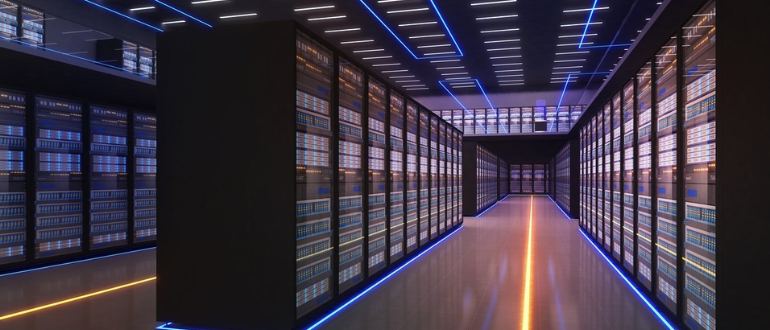
Mumbai’s commercial real estate landscape has recorded a high-value transaction with wider implications for the city’s digital and urban infrastructure ecosystem. A prominent film industry family, through privately held development entities, has completed the sale of a large commercial asset in the eastern suburb of Chandivali to a Japanese multinational specialising in digital infrastructure. The deal, valued at Rs 559.24 crore, underscores Mumbai’s growing role as a preferred hub for data-driven real estate investment.
According to publicly available registration records accessed through market sources, the transaction was formally concluded in early January. The asset forms part of an established information technology park and comprises a multi-storey structure designed for data centre use, along with a dedicated auxiliary building supporting power and backup operations. With over 30,000 square metres of built-up space, the property represents one of the larger single-asset transfers in the suburban office market this year. Urban planners and industry experts view this Mumbai commercial property sale as reflective of a structural shift in how the city’s commercial stock is being repurposed. As traditional office absorption moderates, demand from data centres, logistics, and digital infrastructure operators has risen sharply. These uses require robust power availability, connectivity, and proximity to dense consumer markets criteria that Mumbai continues to fulfil despite its infrastructure constraints. The buyer, a global data centre operator backed by one of Japan’s largest telecommunications groups, has been steadily expanding its footprint across Indian metros. Analysts note that such investments are not only driven by cloud computing growth but also by India’s data localisation requirements and the surge in digital public services. Mumbai’s position as a financial and connectivity gateway gives it an advantage, though sustainability concerns remain central to future approvals.
A notable aspect of the transaction is the regulatory environment shaping it. The sale qualified for a stamp duty exemption under a state policy introduced last year to encourage investment in strategic infrastructure assets, including data centres. While a modest metro cess was paid, the broader incentive framework has reduced transaction costs, making large-scale deals more viable. Policy specialists caution, however, that fiscal incentives must be matched with clear environmental safeguards, given the high energy and water demands of data facilities. From an urban governance perspective, the deal raises important questions about land use priorities in dense suburbs like Chandivali. While data centres generate limited direct employment compared to offices, they form critical backbone infrastructure for a digital economy increasingly reliant on resilient, low-latency networks.
City officials indicate that future approvals are likely to emphasise energy efficiency, renewable integration, and disaster resilience. As Mumbai continues to attract global capital into its built environment, transactions such as this highlight the need for balanced urban planning one that supports economic competitiveness while aligning with long-term climate and infrastructure goals.
Also Read: Chennai Metro Phase Two Awards Key Systems Contract
Mumbai Infrastructure Market Draws Global Data Investors
