


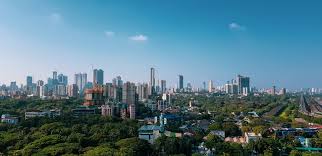
Mumbai’s constrained land market has witnessed one of its most consequential redevelopment transactions in recent years, with a prime railway-owned parcel set to be commercially developed under a long-term lease arrangement. The deal highlights how institutional land held by public authorities is emerging as a critical lever for urban renewal, infrastructure financing, and housing supply in land-starved megacities.
The transaction involves an approximately 11-acre site in the city, awarded through a competitive bidding process that prioritised long-term value creation rather than outright sale. Under the agreement, the selected developer will hold development rights for nearly a century, while committing to share a substantial portion of project revenues with the land-owning public agency over a defined period. Urban economists note that such revenue-linked leasing models are increasingly preferred by public landowners seeking recurring income streams without relinquishing asset ownership. Industry analysts say the scale of the bid reflects both the acute scarcity of large, contiguous land parcels in Mumbai and the willingness of well-capitalised developers to lock in long-duration urban assets. With greenfield development virtually non-existent within the city limits, large-format redevelopment opportunities particularly those linked to transport corridors have become strategic bets for developers with long investment horizons. Officials familiar with the process indicated that the land-owning authority evaluated proposals on financial strength, revenue potential, and alignment with broader urban development goals. The winning bid exceeded competing offers, reinforcing the premium that developers are willing to pay for centrally located, infrastructure-linked land with clear development rights.
Urban planners view such projects as pivotal to Mumbai’s next growth phase, especially as the city seeks to integrate real estate development with transport infrastructure. Redevelopment of railway land, when executed responsibly, can support mixed-use districts, reduce pressure on peripheral expansion, and improve land-use efficiency in areas already supported by transit networks. However, experts caution that the long-term success of such projects will depend on design choices, environmental performance, and integration with surrounding neighbourhoods. Large developments on public land are increasingly expected to incorporate climate-resilient construction, efficient energy systems, and public realm improvements that extend benefits beyond private boundaries. Comparable high-value land transactions in recent years underscore a broader shift in Mumbai’s real estate market, where capital is concentrating around rare, institutionally controlled sites rather than fragmented private parcels. This trend reflects rising confidence in long-term urban demand, even as developers remain selective amid regulatory scrutiny and evolving market conditions.
As Mumbai continues to balance infrastructure expansion, housing demand, and climate risks, structured partnerships between public landowners and private developers are likely to shape the city’s skyline. The latest deal signals that, despite rising costs and tighter approvals, capital continues to chase scarce urban land particularly where redevelopment can align commercial viability with public value creation.
Also Read: Mumbai Redevelopment Market Sees New Land Aggregators
Mumbai Infrastructure Land Draws Big Real Estate Bets
