


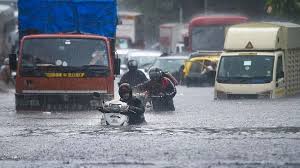
Mumbai’s skyline is rising and its transport grid is expanding, yet for millions of residents the daily experience of navigating the city has become increasingly fraught. From repeated road excavation to redevelopment dust and clogged footpaths, the Mumbai infrastructure crisis is reshaping how citizens move, breathe and trust public institutions.
Across western suburbs and the island city, arterial roads are frequently barricaded for concreting, utility upgrades, Metro alignments or flyover works. While each intervention is presented as essential modernisation, the cumulative effect has been prolonged congestion and reduced pedestrian safety. Commuters report longer travel times, damaged vehicles and exposure to high levels of particulate matter. Urban planners argue that the Mumbai infrastructure crisis stems less from ambition and more from fragmentation. Multiple authorities oversee roads, transport corridors, utilities and redevelopment permissions, often operating on parallel timelines. Without synchronised execution, freshly resurfaced stretches are reopened for underground services, amplifying costs and public inconvenience. The city’s primary civic body, the Brihanmumbai Municipal Corporation, manages one of the largest municipal budgets in India. Yet court records show repeated judicial scrutiny over potholes, contractor accountability and compliance failures. The Bombay High Court has, in several hearings, pressed for stricter oversight of road quality and enforcement against illegal encroachments.
Encroachment is another flashpoint. Street vending remains a vital livelihood for thousands, but inconsistent implementation of the Street Vendors Act has left footpaths contested spaces. Pedestrians are often pushed into traffic, undermining road safety in a city already short of walkable infrastructure. Simultaneously, a redevelopment surge is transforming older neighbourhoods into high-rise clusters. Incentives introduced by the Government of Maharashtra to stimulate housing renewal have accelerated project launches. While structurally unsafe buildings require replacement, demolition and construction activity contribute significantly to airborne dust. A joint assessment by National Environmental Engineering Research Institute and IIT Bombay has previously linked a large share of Mumbai’s particulate pollution to road and construction dust. Environmentalists caution that widespread concretisation may reduce potholes but can intensify urban heat and impede natural drainage if not carefully designed. As climate events grow more extreme, impermeable surfaces and inadequate stormwater management risk compounding flood vulnerability. Large-scale projects such as the Mumbai Metropolitan Region Development Authority-led transit corridors promise long-term mobility gains. However, economists note that mega infrastructure must be paired with transparent contracting, lifecycle maintenance planning and citizen communication to maintain legitimacy. For many residents, frustration centres on accountability. Rising property taxes and fuel costs are weighed against uneven service delivery. Trust in civic systems weakens when timelines slip and monitoring mechanisms appear inactive.
Mumbai’s growth demands infrastructure renewal. Yet experts increasingly argue that coordination, data transparency and climate-sensitive design must anchor future investments. Without these, the city risks remaining in a near-permanent construction phase modernising in fragments while public patience steadily erodes.
Also Read: Mumbai real estate fund raises 300 crore
Mumbai infrastructure crisis tests civic trust
