


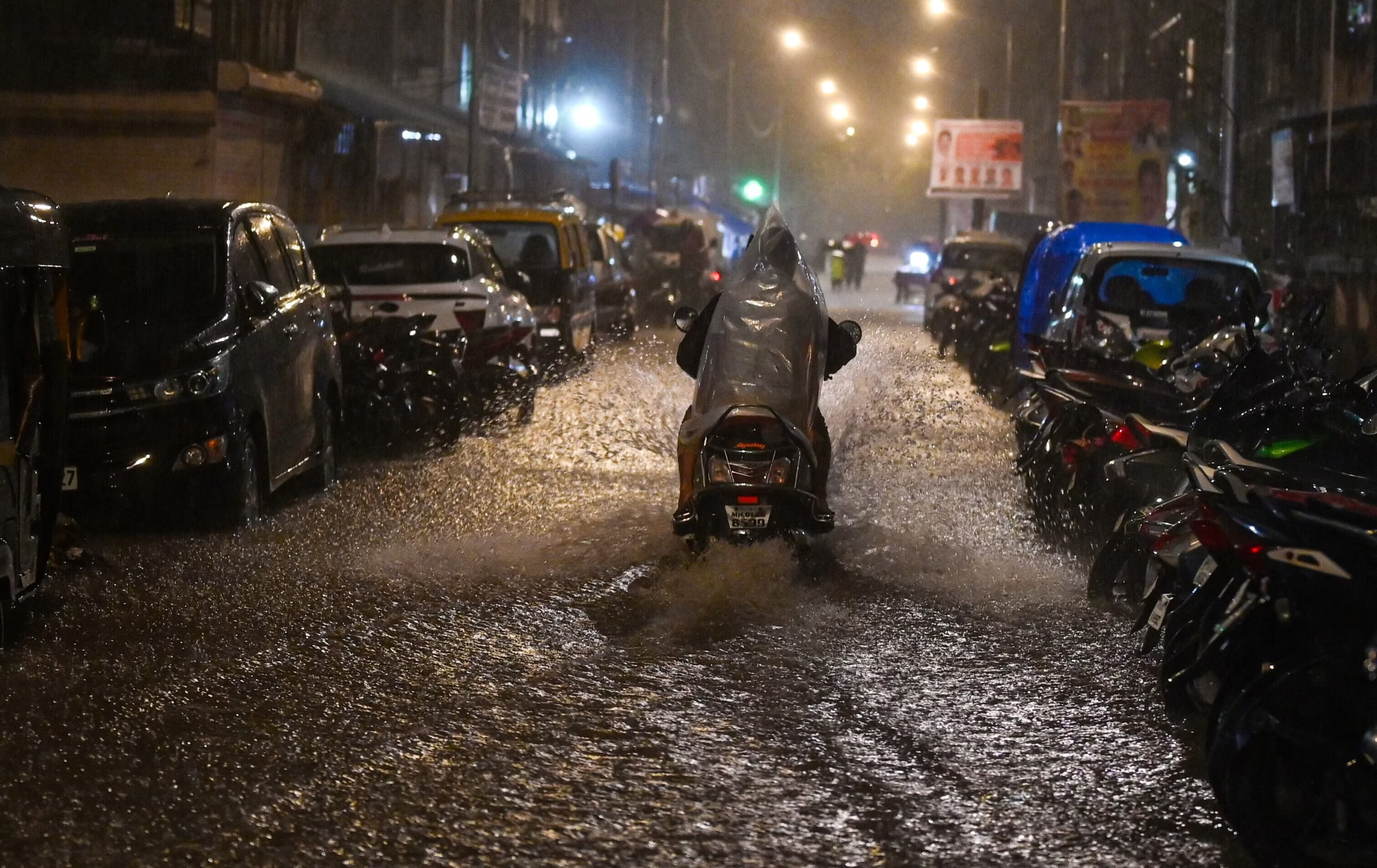
Mumbai has once again brought the city’s infrastructure and climate preparedness into sharp focus. With the India Meteorological Department issuing warnings and a red alert for the coastal districts of Raigad and Ratnagiri, the immediate impact on daily life has been palpable: submerged roadways, gridlocked traffic, and significant commuter delays. This annual monsoon challenge, increasingly exacerbated by unpredictable weather patterns, underscores a critical imperative for metropolitan areas to transition towards more sustainable and resilient urban development models.
Mumbai, a densely populated coastal megacity, faces unique vulnerabilities to extreme weather events. Its historical drainage systems, coupled with rapid, often unplanned urbanisation, struggle to cope with the intensity of contemporary monsoons. The resulting waterlogging not only disrupts economic activity, impacting businesses and supply chains, but also poses significant health and safety risks to its diverse populace. For daily wage earners, the inability to commute means a direct loss of income, while for women and other vulnerable groups, navigating flooded streets presents heightened safety concerns and restricts access to essential services, highlighting existing urban inequities.
Also Watch: “Mumbai will rock, shine and always be India’s best city to live.” In an exclusive, MHADA CEO Sanjeev Jaiswal (IAS) talks about Mumbai’s enduring charm, livability, and the government’s focus on making it affordable for all
Addressing these recurrent challenges demands a multi-faceted approach rooted in eco-friendly and gender-neutral urban planning principles. Investments in advanced urban drainage systems, including permeable pavements and green infrastructure such as rain gardens and urban wetlands, are crucial. These solutions can significantly enhance the city’s capacity to absorb and manage stormwater runoff, reducing surface flooding and replenishing groundwater tables. Furthermore, integrating smart city technologies for real-time flood monitoring and early warning systems can empower citizens with timely information, enabling safer navigation and better preparedness.
Beyond immediate mitigation, the long-term vision must encompass comprehensive climate adaptation strategies. This includes developing climate-resilient housing, especially for communities residing in low-lying or informal settlements, and ensuring equitable access to safe public spaces during adverse weather. Prioritising public transport networks that remain operational during heavy rainfall can also foster greater social equity, allowing all residents to maintain connectivity and access to opportunities.
The recurring monsoon challenges serve as a stark reminder that urban development can no longer be viewed in isolation from environmental considerations. For Mumbai and similar coastal cities, the path forward necessitates a proactive and integrated strategy that prioritises ecological balance, social inclusivity, and economic stability. By embracing zero net carbon initiatives and innovative urban design, the city can transform its vulnerabilities into opportunities, building a future that is both prosperous and profoundly resilient to the impacts of a changing climate.
Also Read: Air India Flight AI 2744 Skids Off Mumbai Runway Amid Rain Today
