


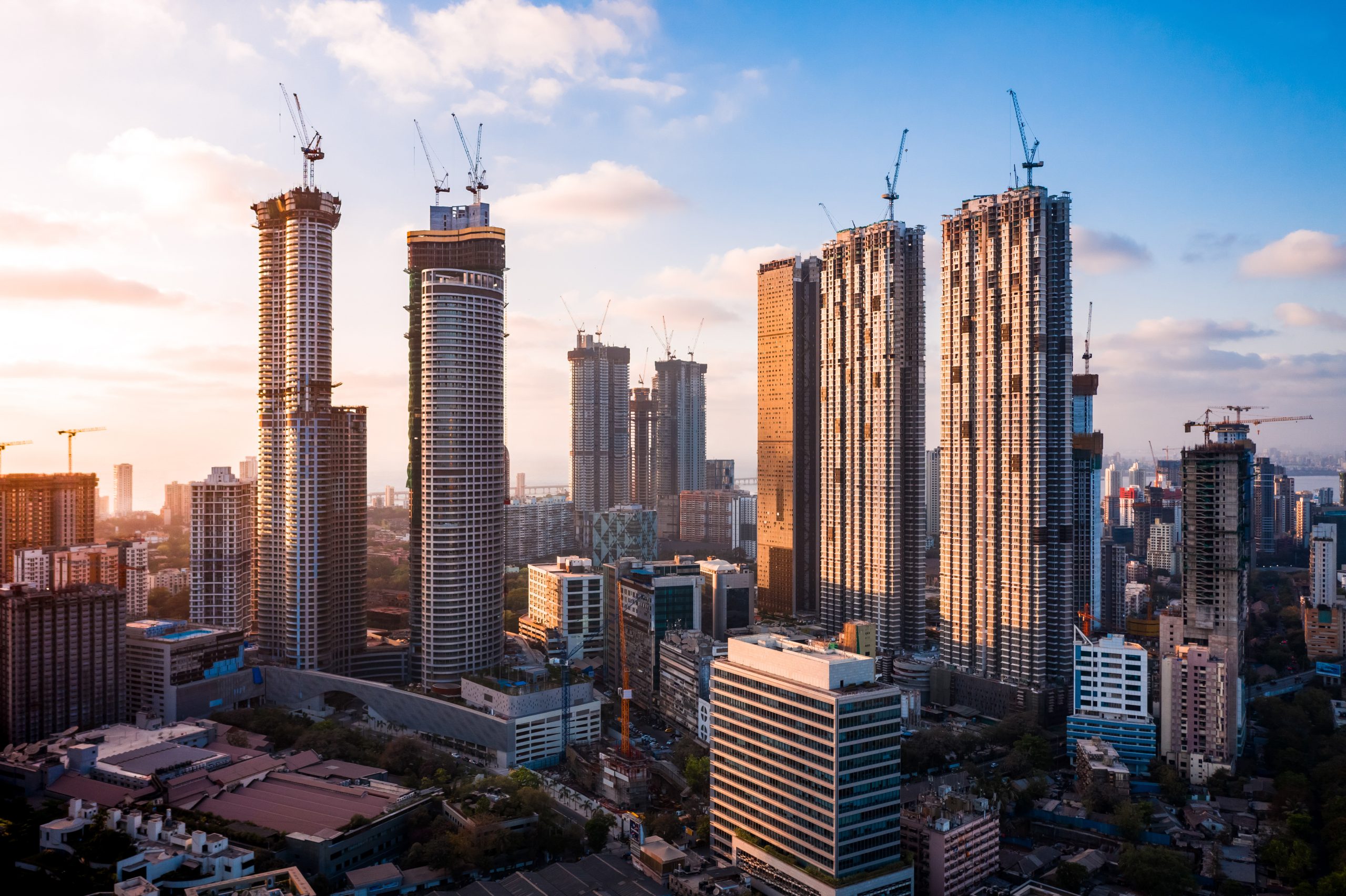
India’s financial capital is undergoing an unprecedented infrastructural evolution, with major projects poised to redefine its real estate landscape. New metro lines, expansive sea links, and a modern international airport are converging to create future-ready suburbs and enhance connectivity. This transformative surge in infrastructure is set to significantly boost property values, rental yields, and overall liveability, driving Mumbai towards a more sustainable and equitable urban future.
The strategic imperative behind Mumbai’s extensive infrastructure pipeline extends far beyond merely easing traffic congestion. These projects are fundamentally reshaping the city’s economic geography, creating new growth corridors that offer compelling opportunities for homebuyers, investors, and developers. Reduced commutation times, a perennial challenge in the bustling metropolis, are a primary driver of property demand. Projects cutting travel from 90 minutes to a mere 30 minutes can immediately catalyse demand and appreciation in previously distant localities, fostering a more integrated and efficient urban sprawl.
Enhanced connectivity is a direct outcome of this infrastructural push. Properties situated near burgeoning metro stations, newly developed major roads, and established job hubs like Bandra-Kurla Complex (BKC), Powai, and Navi Mumbai are consistently commanding higher prices and experiencing faster sales cycles. This phenomenon provides early signals for astute investors and developers, allowing them to capitalise on future real estate booms by strategically positioning themselves near these planned projects. Such developments also contribute to a more sustainable urban fabric by promoting public transport usage, thereby reducing vehicular emissions and moving towards a zero net carbon environment.
Key among these transformative projects is the Mumbai Metro expansion. Line 3 (Aqua Line), a 33.5-kilometre underground corridor from Colaba to SEEPZ, is slated for full operation by the end of 2025. Concurrently, Line 6 (Pink Line), spanning 14.5 kilometres from Lokhandwala to Vikhroli, is also expected to be operational in 2025, significantly improving connectivity for areas like Andheri East, Powai, SEEPZ, Chembur, and Vikhroli. These metro lines are crucial for fostering equitable access to employment and services, enhancing mobility for all citizens, and reducing the city’s overall carbon footprint.
The Navi Mumbai International Airport (NMIA) represents another game-changing development. With Phase 1 opening in April 2025 and the international terminal by July 2025, NMIA is projected to handle up to 50 million passengers by 2029. This new aviation gateway is set to dramatically drive property demand and appreciation in burgeoning nodes such as Ulwe, Panvel, Dronagiri, and Pushpak Nagar, transforming Navi Mumbai into a self-sufficient economic powerhouse. Its design and operation will be critical in ensuring eco-friendly aviation practices, aligning with the broader sustainability goals of the region.
Intra-city mobility is also being revolutionised by ambitious coastal and sea link projects. Phase 1 of the Mumbai Coastal Road, connecting Marine Drive to Worli, is complete, while Phase 2 (Worli to Kandivali) is under construction. This project will drastically cut commutation time from South Mumbai to the Western suburbs from two hours to just 40 minutes, significantly boosting property values in areas like Marine Lines, Haji Ali, and Worli. Similarly, the 17.17-kilometre Versova–Bandra Sea Link, expected by 2027, will ease pressure on the Western Express Highway, leading to property surges in Andheri, Versova, Oshiwara, and Bandra. These projects, by streamlining traffic, contribute to reduced fuel consumption and emissions.
Beyond the immediate urban sprawl, inter-city connectivity is being redefined. The Mumbai-Ahmedabad Bullet Train, a 508-kilometre high-speed rail link, will reduce travel time to just two hours by 2028, elevating BKC and its surrounding localities as future-ready investment regions. The Panvel–Karjat Rail Corridor, spanning 29.6 kilometres and operational by December 2025, will cut travel time to Karjat by 30 minutes, unlocking affordable housing and second-home markets in Panvel, Karjat, and Neral. Furthermore, the Mumbai–Pune Expressway Missing Link and the Samruddhi Mahamarg Expressway will strengthen investment appeal in the Kalyan, Bhiwandi, Thane, and Nashik corridors. These projects collectively promote sustainable transport alternatives and foster balanced regional development.
These infrastructure projects are not merely shaping Mumbai’s physical landscape; they are creating comprehensive growth corridors that offer long-term investment potential across both established and emerging suburbs. By transforming how and where people live, work, and invest, Mumbai is positioning itself as a truly future-ready city. For forward-thinking buyers and investors, the convergence of new metro lines, highways, and rising demand presents abundant opportunities in areas poised for significant appreciation. This holistic approach to infrastructure development is fundamental to building a Mumbai that is not only economically vibrant but also environmentally responsible, socially equitable, and resilient for generations to come.
Also Read: Lalitpur Pharma Park Boosts Bundelkhands Economy and Green Manufacturing
