


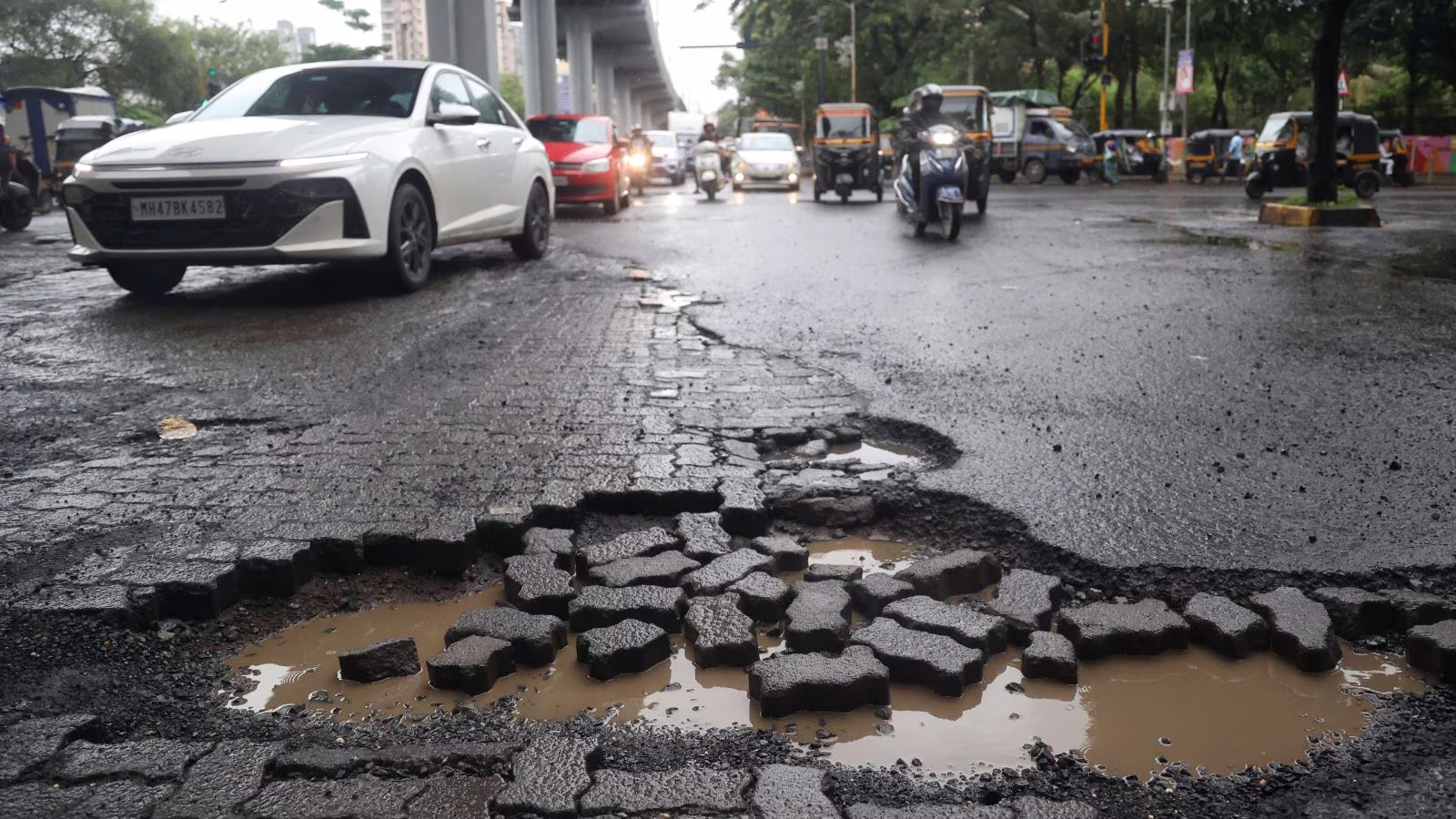
The Brihanmumbai Municipal Corporation (BMC) has increased the penalty for Ganesh mandals that dig up roads during the festival. The fine has been hiked significantly, from Rs 2,000 to Rs 15,000 per hole. This marks the first time the civic body has taken such a stringent step to curb the damage caused by mandals when they dig up the roads to install bamboo poles for pandals.
The penalty increase comes amid the ongoing city-wide road concretisation project, a critical initiative aimed at improving Mumbai’s infrastructure. As part of the project, the BMC has laid new cement roads across the city and strictly prohibits any trenching or digging for the first three years. With the cost of repairing or relaying damaged concrete roads being substantially higher, the civic body has opted for a tougher stance to discourage unlawful digging, which disrupts the work and damages the city’s freshly concretised streets. Civic officials explained that the earlier fine of Rs 2,000 had little deterrent effect, especially when many of the Ganesh mandals operate on budgets running into crores. As a result, mandals were often undeterred by the relatively small fine. With this hike, the BMC hopes to send a strong message that road damage will no longer be tolerated, especially with the pressing need to maintain the integrity of Mumbai’s roads for long-term use.
The increase in penalty follows a series of discussions within the BMC, including with officials in charge of the concretisation project. A senior BMC official explained that the cost of road repairs post-Ganeshotsav is much higher than the penalty for digging, making it an inefficient solution for managing road damage. This decision was also influenced by a court case in which an NGO raised concerns about the inadequacy of the fine. In response to these concerns, the BMC’s infrastructure wing proposed the penalty revision, which was subsequently approved by the municipal commissioner. The new penalty has been met with resistance from the Brihanmumbai Sarvajanik Ganeshotsav Samanvay Samiti, the umbrella organisation for Ganesh mandals across the city. In a statement, the committee has demanded that the BMC revoke the Rs 15,000 fine, claiming that it places an undue burden on the mandals, who are already grappling with other festival-related expenses. The Samiti has also submitted a list of additional demands, including a request for the waiver of police cases against Ganeshotsav volunteers, the removal of abandoned vehicles near mandals, and the freedom for music bands to join the processions.
While the Ganeshotsav celebrations are an important cultural event for the city, the BMC’s move reflects its responsibility to ensure that urban infrastructure is not compromised for temporary celebrations. The revised penalty is a clear indication that the BMC is prioritising long-term infrastructure development over short-term festivities that may cause long-lasting damage to the city’s roads. As Mumbai continues its infrastructural upgrades, the BMC’s decision serves as a reminder of the growing need to balance the city’s cultural traditions with sustainable urban planning. The challenge now lies in finding a way to preserve the spirit of Ganeshotsav while ensuring that the city’s newly concretised roads remain intact and resilient.
This policy shift reflects a broader trend in Mumbai, where urban development projects are increasingly being aligned with long-term sustainability goals. As cities like Mumbai continue to grapple with rapid urbanisation, finding a balance between modernisation and tradition remains crucial. The BMC’s increased penalty is one step in this ongoing process of urban transformation, aiming for a greener, cleaner, and more efficient city.
Also Read : Mumbai’s Cable-Stayed Bridge Faces Further Setbacks
Mumbai Increases Fine to Rs 15000 Per Hole for Road Digging
