


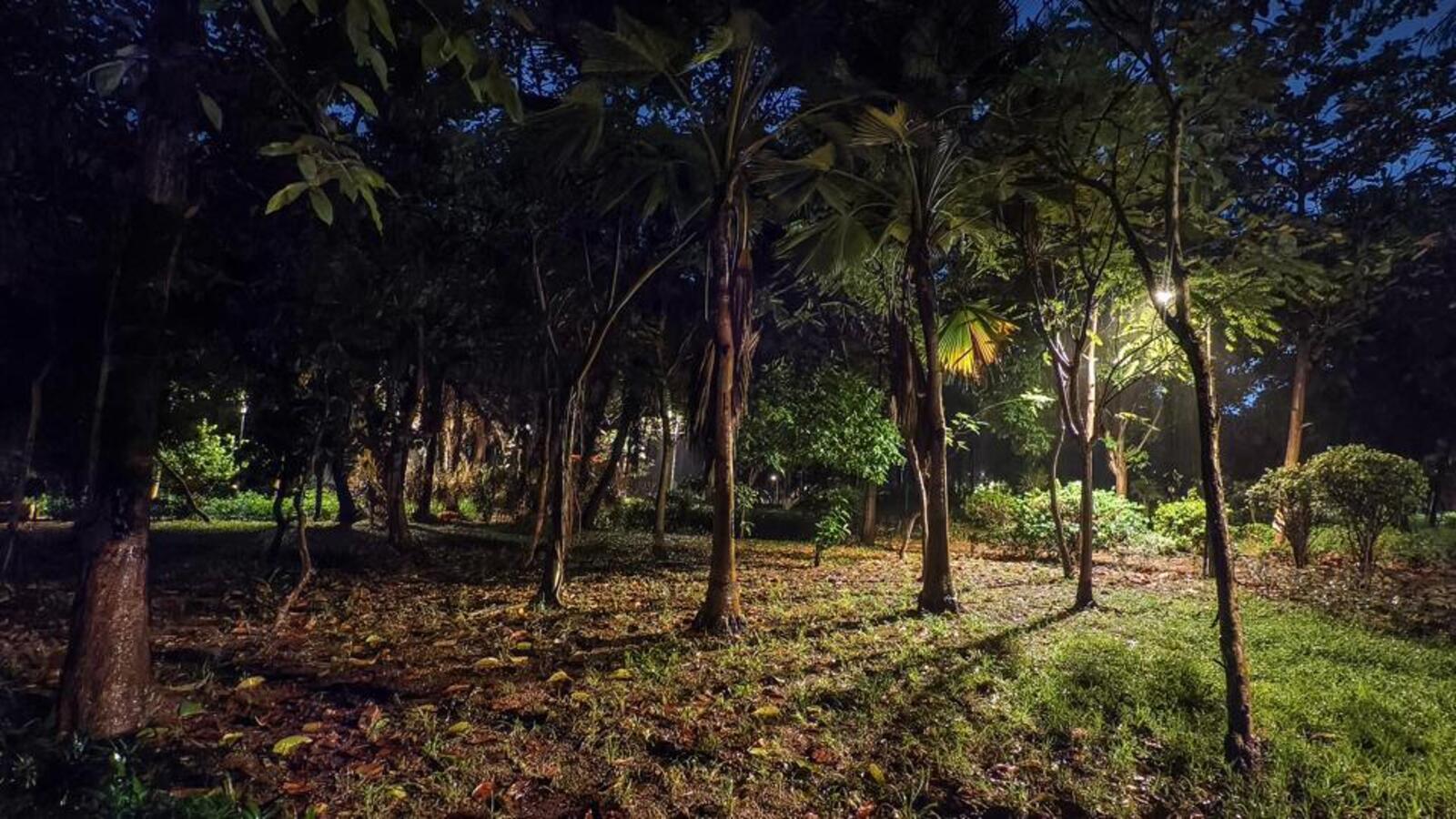
A government-backed audit by the Indian Institute of Technology Bombay (IIT-B) has revealed alarmingly low survival rates among saplings planted by the Mumbai Metro Rail Corporation Limited (MMRCL) under its compensatory afforestation programme in Aarey Colony and adjoining forest areas. The findings raise serious concerns about the effectiveness of the project’s ecological offset measures, which were intended to mitigate the environmental cost of metro infrastructure expansion.
The 2023 IIT-Bombay committee, comprising three independent experts, assessed plantations across five officially designated sites. Their report found that survival rates ranged between 40 and 70 percent across locations, with widespread signs of stunted growth and poor vegetation health. Many of the trees had been planted on rocky or uneven terrain filled with construction debris, while several sites lacked proper irrigation systems, leading to widespread plant mortality. Under its compensatory afforestation obligations, MMRCL was required to plant over 15,000 trees to offset vegetation loss for key metro components, including the car depot, ramp, shunting neck, and launching shafts. In addition to these commitments, the agency had pledged to plant a total of 20,000 trees across three main sites — Aarey Colony, Sanjay Gandhi National Park (SGNP), and Veer Savarkar Udyan in Malad — between 2015 and 2021. However, the audit suggests that the survival of these plantations remains far below sustainable standards.
According to the report, saplings planted within SGNP demonstrated particularly low resilience. The terrain, already under ecological stress from urban pressures, was found to be unsuitable for large-scale reforestation without soil restoration and water management. In some patches, grasslands that serve as grazing grounds for local deer populations were converted into plantation zones, affecting the existing ecosystem balance. Experts noted that such interventions, while well-intentioned, often disrupt natural biodiversity and do not guarantee long-term ecological recovery. The IIT-B report has recommended replanting approximately 3,500 trees to compensate for the losses, alongside a review of plantation practices and stricter monitoring mechanisms. MMRCL has since approached SGNP authorities seeking approval for new plantations to replace the failed saplings.
Environmental experts argue that compensatory afforestation cannot merely be a numerical exercise of replacing felled trees with new ones. It requires sustained ecological stewardship, soil enrichment, species diversity, and community-based maintenance. As cities like Mumbai move towards ambitious transit infrastructure projects, such ecological audits highlight the need for stronger accountability frameworks and better integration of environmental science into urban planning. The findings serve as a timely reminder that sustainable growth demands more than compliance—it requires commitment to ecological resilience and responsible green governance.
Also Read : Mumbai Metro Tree Plantation Shows 50 Percent Survival In State’s Supreme Court Report
