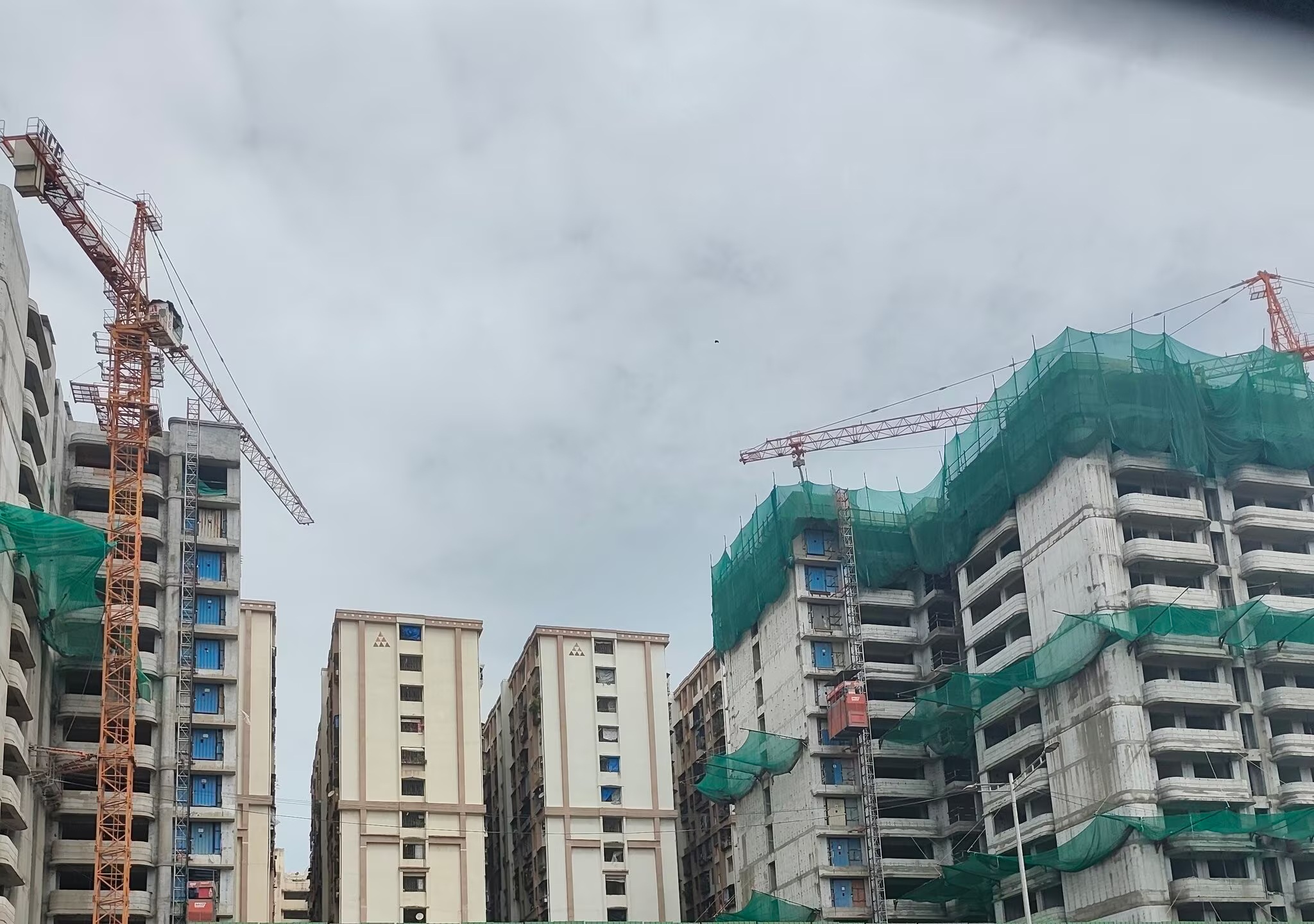
Mumbai’s Sion-Koliwada neighbourhood is poised for a major urban transformation as local co-operative housing societies, the state housing authority, and a private developer formalised agreements for the redevelopment of the Guru Tegh Bahadur Nagar (GTB Nagar) enclave. The initiative, covering over 11 acres, aims to modernise housing for roughly 1,200 long-settled Sindhi families, enhancing living standards while unlocking substantial residential floor space.
This project represents the first instance in Maharashtra where private land will be redeveloped under the state housing authority’s framework, signalling a potential shift in how urban renewal initiatives are structured. By integrating public oversight with private development capacity, planners hope to create a replicable model for dense urban settlements facing ageing infrastructure and high land value pressures. The redevelopment will feature three residential towers, each between 39 and 48 storeys, with a minimum floor space index of 4.5. Eligible residents are slated to receive fully equipped 635 sq ft apartments within a gated community, complemented by multi-level basement and podium parking. Urban development experts note that the combination of high-rise construction and organised parking facilities addresses both housing demand and spatial efficiency in a high-density city context.
Beyond the structural upgrades, the project introduces a structured transition for residents. Eligible households will receive a temporary rental allowance during construction, while post-completion management and maintenance will be overseen by the state authority for five years. Analysts suggest such mechanisms are critical in preserving community cohesion and ensuring that redevelopment projects do not displace vulnerable populations. Economically, the initiative is expected to release over 20 lakh sq ft of saleable area, potentially influencing property values in the surrounding neighbourhood. Urban planners highlight that large-scale redevelopment projects like GTB Nagar also generate local employment and can catalyse ancillary infrastructure improvements, from roads to utilities, contributing to more resilient and inclusive urban environments.
Historically, GTB Nagar was developed in the late 1950s to house refugees from Pakistan, under the Displaced Persons Rehabilitation Act. While the original units were modest, rising land values and urban densification have made the area a prime candidate for redevelopment. By combining heritage sensitivity with modern construction standards, city officials aim to balance cultural continuity with contemporary urban needs. As Mumbai grapples with housing shortages and ageing stock, GTB Nagar’s redevelopment may serve as a blueprint for future projects that integrate climate-conscious design, efficient land use, and inclusive housing policies, aligning with broader citywide goals of sustainable and equitable urban growth.