


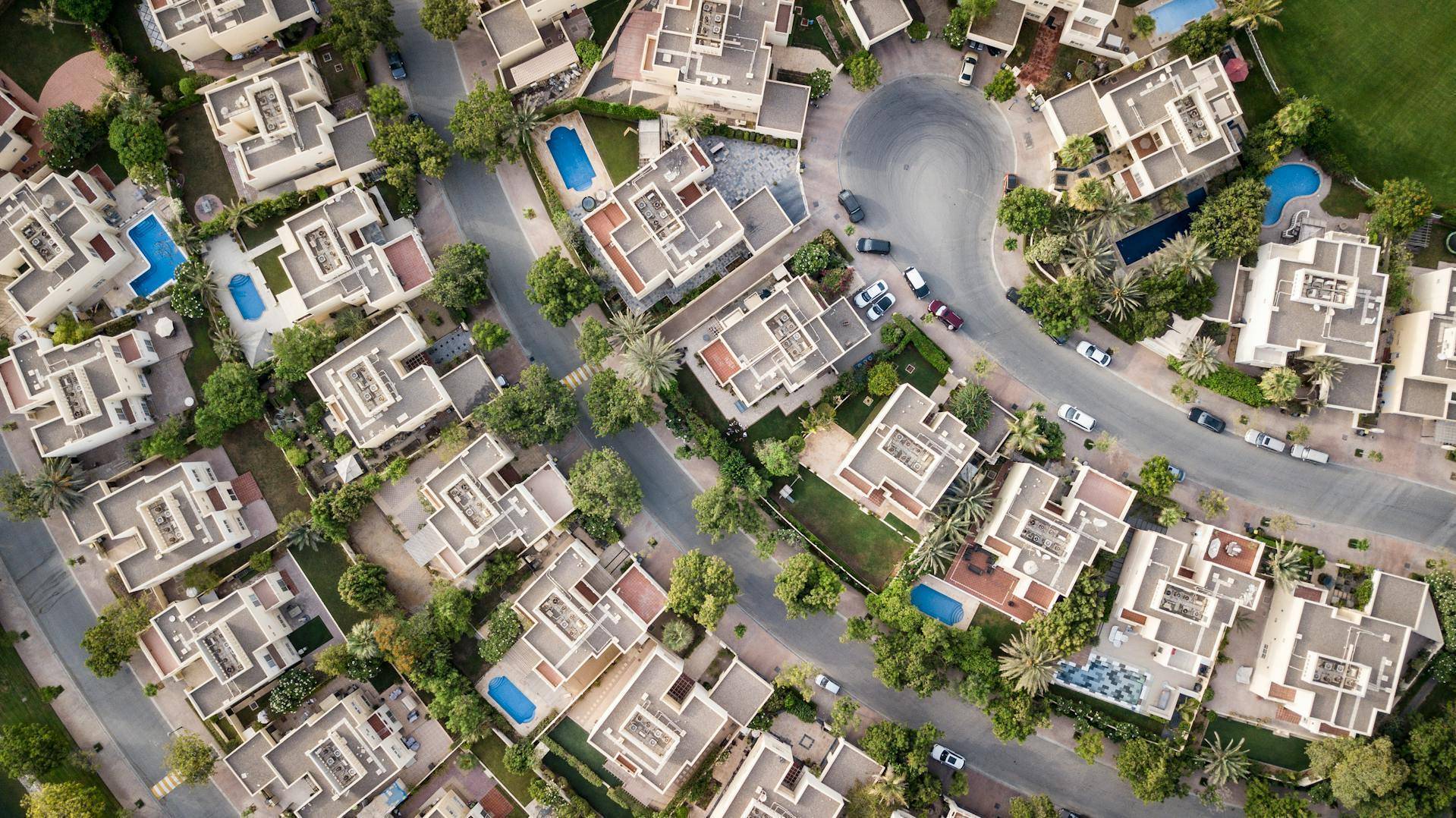
In a landmark decision, the Maharashtra government has revised lease rental calculations for long-term government lands in Greater Mumbai, providing relief to over 3,000 housing societies across the region. The move aims to correct long-standing discrepancies in valuation methods, ensuring a more equitable framework for leaseholders while potentially improving long-term urban sustainability.
Government lands in Mumbai, often leased for periods ranging from 30 to 999 years, are classified as Occupancy Class II properties. Historically, such plots were allocated to groups including freedom fighters, ex-servicemen, and cultural professionals. These leases are subject to strict conditions on transfers and conversions to freehold, with approvals from the local collector required for any changes. Previously, lease rents were calculated using ready reckoner rates under a formula established in 2012. Following a recent Bombay High Court ruling, the government updated its methodology: the land’s capital value is now split, with 25% considered the government’s share and 75% attributed to the leaseholder. Lease rent will henceforth be levied solely on the government’s portion, significantly reducing annual obligations for lessees. “Long-term leaseholders had been paying disproportionately higher rents compared with expired leases, creating inequities,” noted a senior official. “This revision standardises calculations and ensures fairness across the city’s housing societies.”
The government resolution also outlines timelines for recalculation. For leases exceeding 30 years, rents will be assessed based on the old rates until December 31, 2011. From January 1, 2012, onwards, the 25% government share methodology applies. Additionally, the policy addresses transfer scenarios, mandating adjustment of unearned income and ensuring lease rights are correctly assigned to the current occupant. Urban analysts suggest that the policy could reshape Mumbai’s housing landscape. “By lowering the financial pressure on societies, the move supports long-term viability and encourages responsible stewardship of high-value plots,” said a real estate industry expert. Societies holding land in central or rapidly appreciating areas stand to benefit the most, potentially realising substantial annual savings under the new formula. Beyond immediate financial relief, the measure may also influence broader urban sustainability. Reduced lease burdens can allow societies to invest in infrastructure upgrades, energy-efficient retrofits, and community amenities, aligning with principles of inclusive, climate-responsive urban development. Housing societies in prime areas may reinvest savings into environmental improvements, reinforcing the city’s efforts towards sustainable residential growth.
With this policy, Maharashtra is signalling a shift towards fairness and long-term planning in urban land management. While its immediate impact is financial, the resolution also underscores the need for systematic, equitable governance in one of India’s most densely populated cities, where high-value land plays a pivotal role in both housing affordability and urban resilience.
Also Read: Hyderabad Housing Market Sees 25 Percent Rise In November Registrations
Mumbai Housing Societies Gain Relief After Maharashtra Revises Long Term Lease Policy
