


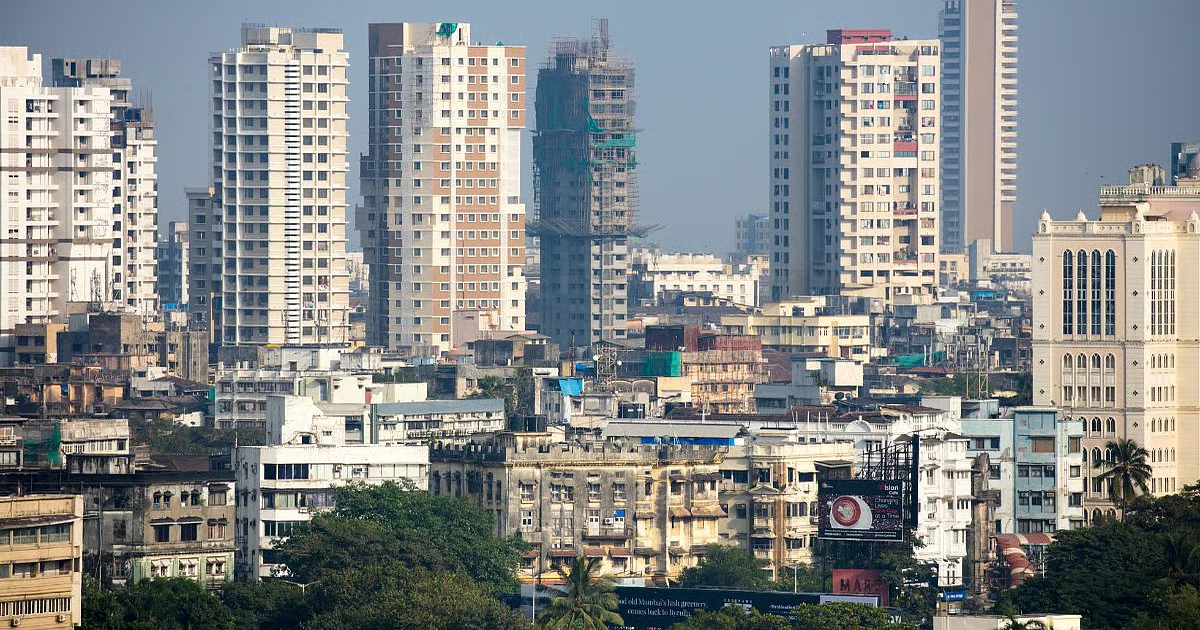
Mumbai is set to undertake one of its most comprehensive urban safety exercises as authorities prepare to structurally assess more than 13,000 ageing residential buildings across the city. The move, focused on pre-1969 “cessed” properties in South and Central Mumbai, comes amid rising concerns over monsoon-related building failures and the long-term resilience of the city’s oldest housing stock.
The planned inspections are significant not only for resident safety but also for how Mumbai manages legacy housing in a dense, climate-vulnerable urban environment. Each year, heavy rainfall exposes structural weaknesses in older buildings, leading to evacuations, partial collapses and, in extreme cases, loss of life. Urban planners say a citywide audit marks a shift from reactive responses towards a more preventive housing strategy. Cessed buildings were constructed before modern safety codes and are subject to a repair cess collected from tenants, intended to fund maintenance through public agencies. However, decades of rent control, fragmented ownership and delayed interventions have left many structures severely deteriorated. Housing officials estimate that several thousand of these buildings are over 70 to 80 years old, far beyond their originally intended design life. The Mumbai Building Repairs and Reconstruction Board, a specialised wing responsible for such structures, is expected to coordinate the exercise by appointing structural consultants through a formal bidding process. Preliminary estimates suggest the audit could cost around Rs 40 crore, reflecting the scale and technical complexity involved. Buildings showing visible distress or past repair histories are likely to be prioritised during inspections.
Past seasonal surveys have already classified dozens of properties as unsafe for occupation, forcing emergency relocations. Officials familiar with the process say the new audits will go further by determining whether buildings can be economically repaired or must be taken up for full redevelopment. This distinction is crucial, as repair-led extensions often provide only temporary relief, while redevelopment requires rehousing solutions and consensus among occupants. The legal framework allows housing authorities to intervene even in privately owned cessed buildings if structural risk is established. While this enables faster action, it also raises challenges around tenant rehabilitation, interim accommodation and financing. Urban policy experts caution that safety audits must be paired with clear relocation plans to avoid prolonged displacement of vulnerable households. From a broader urban perspective, the exercise highlights Mumbai’s struggle to balance heritage housing, affordability and climate resilience. Strengthening old buildings or replacing them with safer, energy-efficient structures has implications for carbon footprints, land use and infrastructure capacity. Well-managed redevelopment can improve safety, accessibility and living standards, but poorly sequenced projects risk social disruption.
As Mumbai prepares for future monsoons and a changing climate, the outcome of this large-scale safety review will shape how the city addresses its oldest neighbourhoods. The audits are expected to inform policy decisions on repairs, redevelopment and funding priorities, setting the tone for how India’s financial capital adapts its legacy housing to modern urban realities.
Also Read:
Mumbai Housing Safety Push Targets Ageing Buildings
