Mumbai Housing Redevelopment Fund Reaches First Close
A new Mumbai redevelopment fund focused on ageing residential neighbourhoods has secured commitments exceeding ₹1,000 crore at its initial close, highlighting growing investor confidence in urban renewal projects across India’s financial capital and nearby Pune. The platform, set up by a real estate investment manager alongside a city-based developer, aims to deploy equity capital into redevelopment-driven housing projects where land scarcity and ageing buildings are reshaping the residential supply pipeline. Structured as a Category II alternative investment fund regulated by India’s securities market regulator, the platform is targeting a total corpus of around ₹1,250 crore. The initial round has drawn capital from domestic family offices and high-net-worth investors, along with offshore participants seeking exposure to urban housing opportunities in tightly built metropolitan markets.
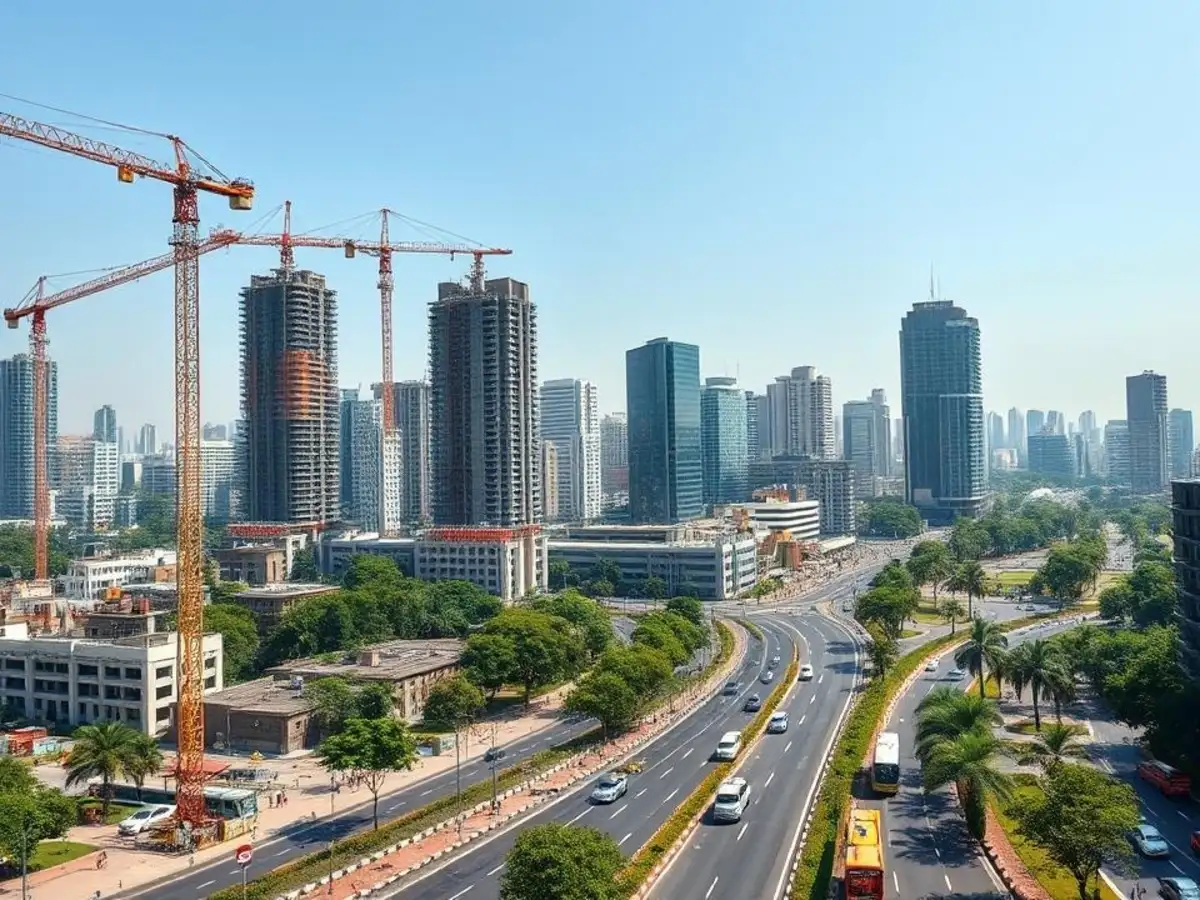
Sponsor commitments from the fund’s promoters account for roughly one-fifth of the capital raised so far, according to officials familiar with the transaction. The Mumbai redevelopment fund will focus primarily on residential reconstruction projects where old cooperative housing societies or ageing apartment blocks are replaced with new, higher-density developments. Urban planners say such redevelopment has become central to the city’s housing strategy because available land for fresh construction remains extremely limited. Instead, redevelopment unlocks existing land parcels by replacing outdated structures with modern buildings that incorporate improved infrastructure, higher floor space utilisation and better safety standards. For residents, this often means larger homes and upgraded amenities; for cities, it represents a mechanism to rejuvenate neighbourhoods without expanding the urban footprint.
Industry experts say the fund intends to invest between roughly ₹80 crore and ₹200 crore per project, backing a small portfolio of developments in the early phase. Several potential redevelopment transactions are already under evaluation as the platform begins allocating capital. Senior executives associated with the investment manager indicated that institutional equity is increasingly important in redevelopment, where projects typically require complex negotiations with residents, long construction timelines and regulatory clearances. Access to structured capital, they said, can improve financial discipline and project transparency while reducing funding uncertainties for developers. Mumbai’s redevelopment cycle has accelerated in recent years as buildings constructed several decades ago face structural deterioration and changing safety regulations. Local authorities have also encouraged redevelopment to address issues ranging from housing shortages to disaster resilience in dense urban zones.
Market analysts note that redevelopment-led housing supply is expected to remain a dominant trend in the city over the coming decade, particularly as infrastructure upgrades such as metro corridors and improved transport connectivity raise land values across established neighbourhoods. For investors, the Mumbai redevelopment fund model offers exposure to residential real estate in established urban locations while sharing risk with experienced development partners. The investment manager behind the platform had earlier launched a separate debt-focused real estate strategy aimed at financing projects across multiple Indian cities. With the launch of this equity vehicle, the firm is expanding its role in the sector from lender to direct development partner. Urban economists say such capital partnerships could shape the next phase of redevelopment in Mumbai and Pune cities where renewing ageing housing stock is increasingly tied to building safer, denser and more climate-resilient urban neighbourhoods.