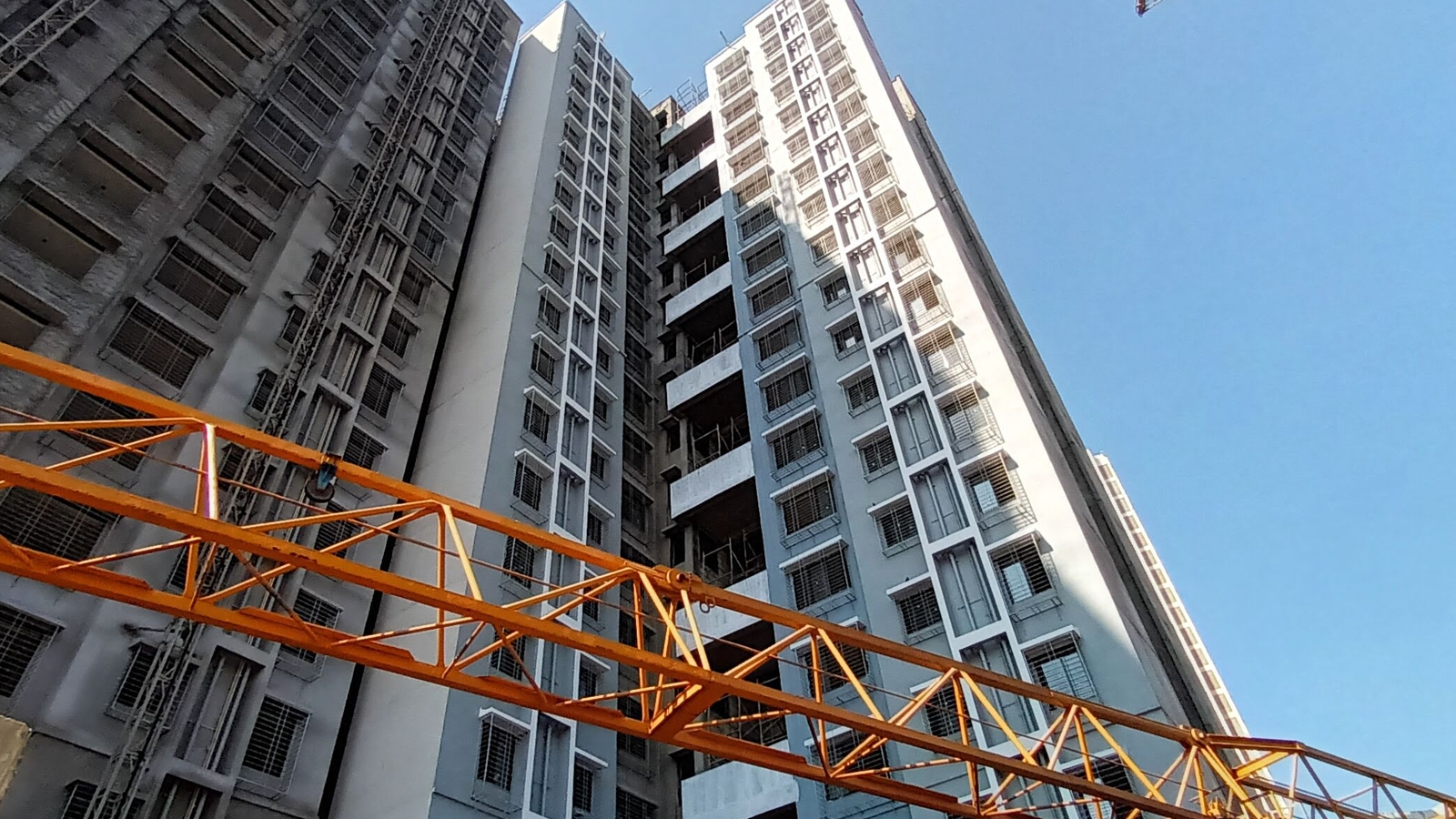
Mumbai’s public housing pipeline has received a fresh push as the Maharashtra Housing and Area Development Authority (MHADA) opened applications for its 2026 lottery, placing 2,640 homes across the metropolitan region on the market. The move is significant for a city grappling with high property prices and widening affordability gaps, offering a structured pathway to ownership for households across income segments.
The MHADA lottery, a long-standing allocation mechanism, distributes homes through a computerised draw, aiming to ensure transparency while widening access to formal housing. This year’s supply spans key urban clusters including Vikhroli, Goregaon, Borivali, Chembur, Wadala and Dadar locations that reflect both established residential zones and emerging redevelopment corridors. For many applicants, proximity to jobs, transit networks and social infrastructure remains a decisive factor. The application window opened on March 30 and will remain active until April 29, with financial submissions closing a day later. Authorities plan to publish a provisional applicant list in early May, followed by a final list and draw results by mid-May. Officials indicate that the process has been structured to minimise delays and improve applicant verification timelines, a recurring concern in earlier cycles.
The inventory mix reveals a tilt towards middle-income housing, with over half the units falling under the MIG category. Lower-income segments, including economically weaker households and lower-income groups, account for a smaller share. Urban policy observers note that while the overall volume is substantial, the distribution underscores the ongoing challenge of delivering deeply affordable housing in land-constrained cities like Mumbai. A notable portion of the units are still under construction, pointing to the evolving nature of public housing delivery where projects are aligned with phased development cycles. Additionally, a segment of the stock has been sourced from private developments under regulatory frameworks, reflecting a hybrid model that leverages both public and private sector participation.
From an urban development lens, the MHADA lottery plays a critical role in shaping inclusive growth. By enabling access to formal housing, it helps reduce informal settlements, improves access to basic services, and supports more planned urban expansion. However, planners caution that affordability must be assessed not just by unit cost but also by long-term livability covering aspects such as transport connectivity, climate resilience, and access to green and social infrastructure.With Mumbai continuing to densify, such housing initiatives are increasingly tied to broader sustainability goals. Compact, well-located housing reduces commute distances and associated emissions, while planned developments offer opportunities for better resource efficiency. As the MHADA lottery process unfolds, attention will remain on how effectively it balances demand across income groups and whether future editions can expand supply for the most vulnerable segments. For now, the 2026 cycle represents a key intervention in one of India’s most expensive housing markets, where access to ownership remains out of reach for many.