Mumbai Housing Market Sees Premium Wadala Development
A new wave of luxury residential development is taking shape in central Mumbai, with Raymond Realty unveiling a nearly ₹5,000 crore housing project on a 5.62‑acre site in Wadala, signalling renewed confidence in premium urban housing and infrastructure‑led growth. Beyond its revenue potential, the scheme underscores shifting demand patterns in the Mumbai Metropolitan Region (MMR), where connectivity improvements and lifestyle aspirations are reshaping where and how residents choose to live.
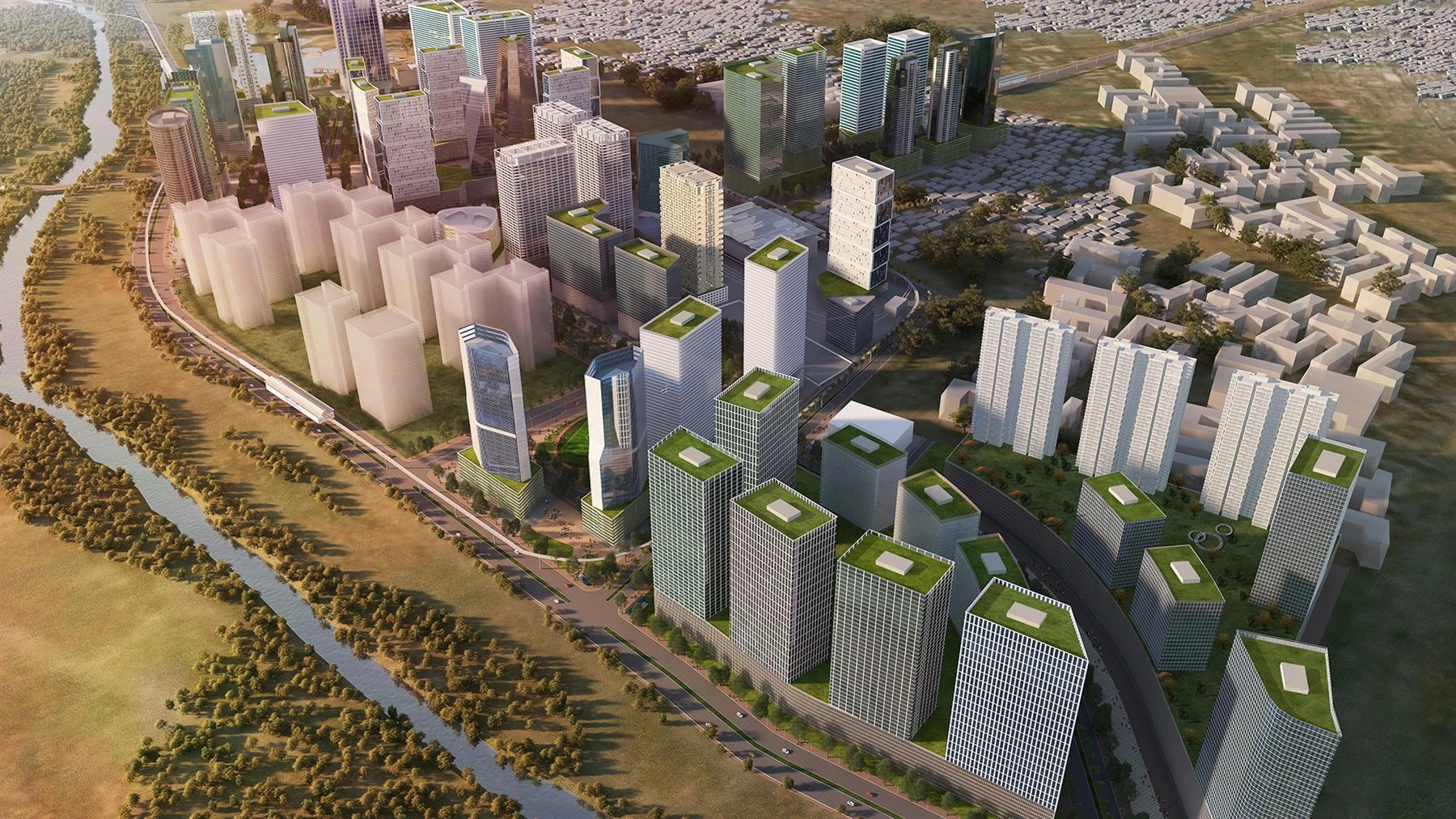
Branded The Address by GS, Wadala, the development spans a large urban plot that has benefited from years of infrastructure upgrades, including proximity to key road arteries, rail links and planned metro expansions that enhance access to business districts. Situated between traditional employment hubs and new commercial corridors, Wadala’s transformation into a preferred residential location reflects broader metropolitan land‑use dynamics where centrality and mobility co‑drive value. The project proposes multiple high‑rise towers featuring premium 2‑ and 3‑BHK apartments tailored to affluent end users and upgraders seeking space, natural light and comprehensive amenity offerings. Analysts point out that large‑format developments like this — integrating leisure, wellness and potentially retail components — are increasingly curated to support holistic urban living rather than mere housing stock, particularly in dense markets where residents prioritise lifestyle alongside connectivity.
Industry observers note that the ₹5,000 crore revenue estimate signals strong developer confidence in Mumbai’s luxury segment, even amid intermittent economic headwinds and financing pressures. This confidence is anchored in resilient end‑user demand, constrained supply in prime locations, and the city’s unmatched position as India’s financial and commercial nucleus. Such large‑scale launches also reflect strategic positioning by developers aiming to balance asset‑light growth models with high‑value land parcels that deliver strong returns over long development cycles. However, while the headline revenue figure is ambitious, crucial details like total unit counts, pricing bands and phasing remain to be communicated as the project advances through regulatory and construction milestones. Urban planning professionals caution that luxury projects in central cities must also address broader sustainability criteria, including energy efficiency, green building certifications and water resource management — factors that increasingly influence buyer preferences and regulatory frameworks in climate‑sensitive megacities.
From a land‑use perspective, developments of this scale contribute to pressures on central urban parcels, often driving land prices upward and influencing adjacent micro‑market dynamics. For prospective residents and investors, key considerations will include integration with public transport, first/last‑mile connectivity, and the evolving mix of amenities in Wadala and surrounding districts. Placemaking that supports walkability, public spaces and shared social infrastructure can enhance overall liveability in dense urban contexts.
For the MMR housing market, this launch highlights a dual trend: continued premium demand in well‑connected central locations, and developer strategies that leverage Mumbai’s infrastructure upgrades to maximise value. As the sector evolves, balanced supply across income segments and emphasis on sustainable urban design will remain critical to ensuring that housing growth aligns with broader goals of equitable access, reduced commute emissions and resilient cityscapes.