


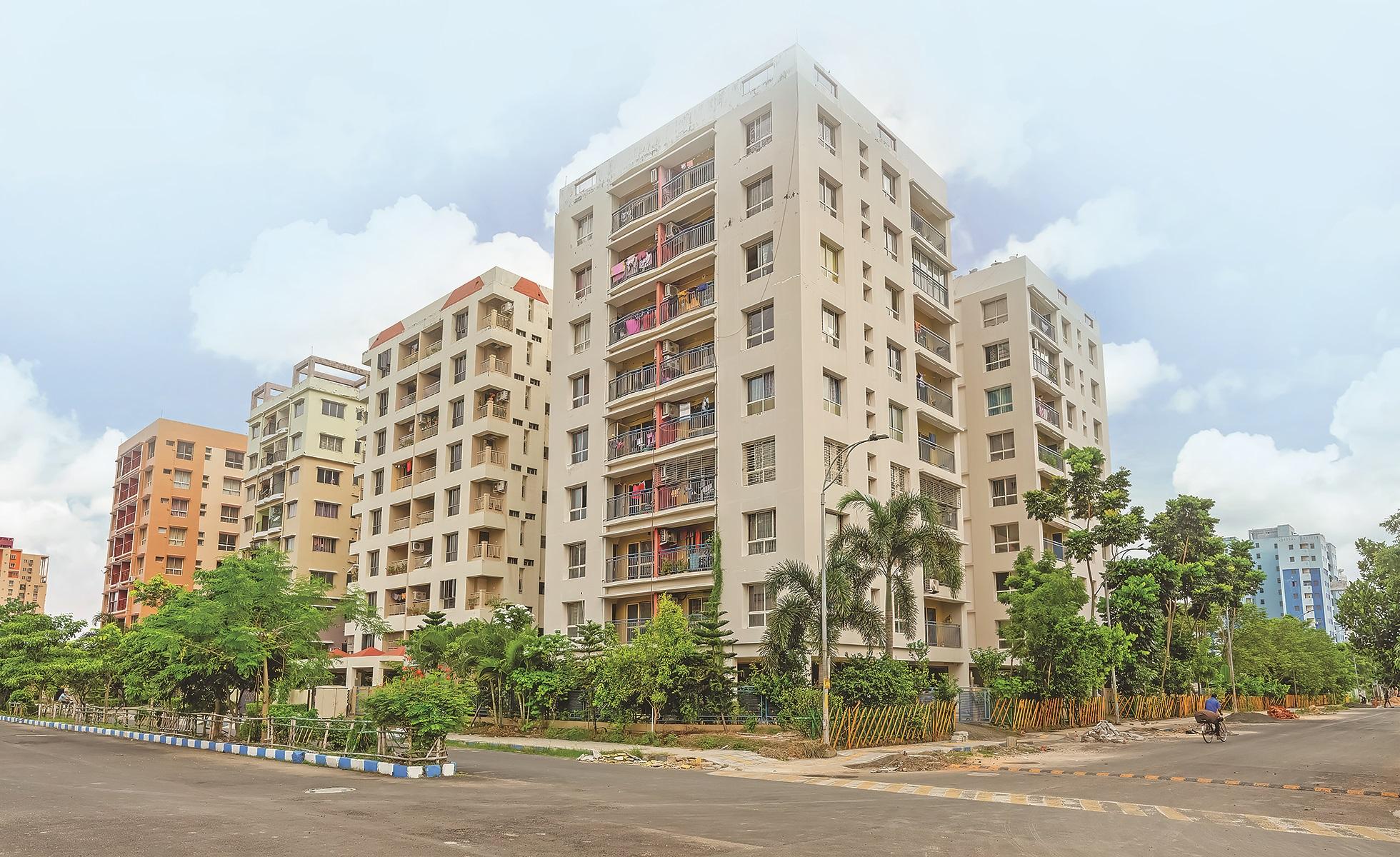
Mumbai’s residential property sector entered a slower phase in 2025, with a sharp reduction in new housing supply signalling a strategic recalibration by developers rather than a collapse in demand. Regulatory filings indicate that fresh residential launches across the city fell significantly compared to the previous year, marking one of the weakest supply cycles in half a decade. The slowdown matters because Mumbai’s housing pipeline directly influences affordability, construction employment, and the city’s long-term urban form.
Data from the state real estate regulator shows that just over 42,000 new housing units were introduced during the year, a steep decline from the preceding period. Project registrations also slipped to their lowest level in five years, reflecting tighter development timelines and heightened scrutiny of approvals. Industry analysts say this pause follows several years of aggressive building activity that stretched land prices and construction capacity across key micro-markets. Despite fewer launches, the composition of new supply offers insight into evolving household preferences. Smaller homes particularly one- and two-bedroom units accounted for more than half of all new projects. These formats align with the needs of first-time buyers, single-income households, and ageing residents seeking manageable living spaces close to employment hubs. Larger homes continued to be introduced selectively, indicating sustained but niche demand from higher-income segments. Geographically, most new activity remained concentrated in western and central suburbs such as Malad, Kandivali, and Mulund. Urban planners note that these areas benefit from relatively better transit access and social infrastructure, making them resilient even during cyclical slowdowns.
However, continued dependence on peripheral corridors also raises concerns around transport congestion, infrastructure strain, and uneven development if public investment does not keep pace. Multiple factors contributed to the slowdown. Prolonged environmental and planning clearances delayed several proposals, particularly in dense urban zones and redevelopment-heavy precincts. At the same time, developers appear more cautious after years of rapid expansion, choosing to align supply closely with absorption trends to manage financial exposure and unsold inventory. From a city-building perspective, the Mumbai housing market slowdown may have mixed outcomes. While reduced supply can place upward pressure on prices in the short term, it also creates an opportunity to reassess quality, sustainability, and liveability standards. Experts suggest that fewer but better-planned projects could support energy-efficient construction, improved open spaces, and more inclusive housing layouts.
Looking ahead, market participants expect measured recovery rather than a return to volume-led growth. With infrastructure projects such as metro expansions nearing completion and demand fundamentals remaining stable, the next phase of Mumbai’s housing cycle is likely to prioritise resilience, affordability, and long-term urban balance over headline numbers.
Also Read: Alibaug Real Estate Draws High Value Land Investments
