


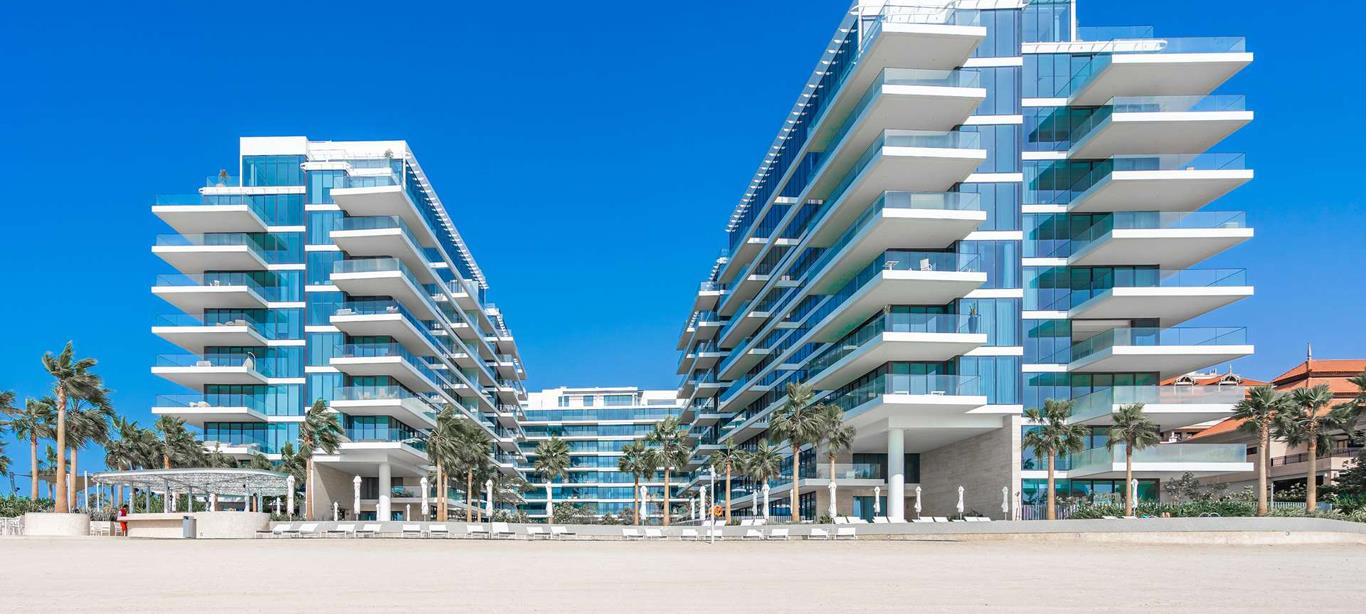
The National Housing Board has revealed a startling truth — property rates in Mumbai have reached levels comparable to global cities like Dubai, pricing out even the wealthiest urban Indians from owning a home in the city.
Currently, the average price per square foot in Mumbai stands at ₹26,975, marginally lower than Dubai’s ₹27,884. Projections suggest this rate could touch nearly ₹30,000 per square foot by March 2025 for properties in the range of 645 to 1,184 sq ft. As a result, a typical 1,184 sq ft apartment now costs over ₹3.5 crore in Mumbai — a figure that even the top 5% of income earners in Maharashtra would struggle to afford within their lifetimes.
An analysis based on income and savings data shows that these high-income households — earning an estimated ₹10.7 lakh annually — would need to save consistently for over 109 years to afford such a property. This calculation assumes a 30.2% savings rate, translating to annual savings of around ₹3.2 lakh.This extreme affordability gap highlights a major structural flaw in Mumbai’s urban housing ecosystem. While the city continues to attract investors, professionals, and migrants in search of better prospects, its real estate market is increasingly catering only to speculative or high-net-worth investors, not end users.
The comparison with Dubai — a city known for its tax-free salaries, world-class infrastructure, and expansive housing supply — casts a stark light on Mumbai’s skewed urban priorities. Despite fewer amenities and lower liveability rankings, Mumbai’s housing costs now rival those in cities that offer significantly better value.The situation is not isolated to Mumbai alone. In cities like Gurugram and Bhubaneswar, it would still take over five decades of savings for affluent families to purchase a home. Of the 21 state capitals surveyed, ten require more than 30 years of savings to afford a mid-sized apartment. The only outliers are Chandigarh and Jaipur, where the savings timelines are relatively shorter — 15 and 20 years, respectively.
Experts attribute the crisis to a combination of unchecked real estate inflation, stagnant income growth, and underwhelming affordable housing delivery. Policy responses have so far been fragmented — with demand-side incentives like tax rebates and credit-linked subsidies falling short in addressing the core issue of exorbitant land and construction costs.
Urban planners and housing economists warn that this growing affordability chasm could have long-term consequences on social equity, urban migration, and overall economic productivity. They argue for urgent regulatory intervention, including progressive land use policies, stronger rent control mechanisms, and large-scale public housing development in city limits — not just on suburban fringes.
As Mumbai aspires to match global cities in terms of economic output and infrastructure, its housing market is dangerously close to shutting its doors on the very people who fuel its growth.
Also Read : Kochi Commuters Suffer as Potholes Delay Metro Work
