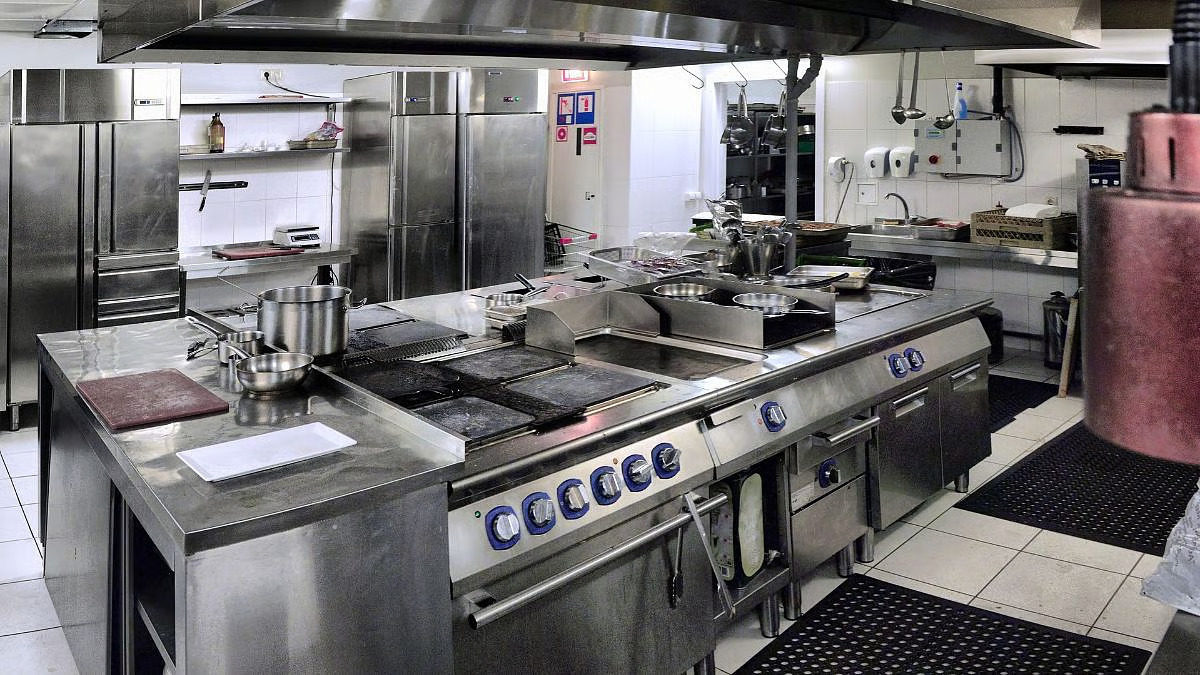
Restaurants and hotels across the Mumbai Metropolitan Region are facing growing operational uncertainty as concerns intensify over potential reductions in piped natural gas supplies, a critical energy source for the city’s commercial kitchens. Industry representatives warn that sustained supply cuts could disrupt daily food services, threaten employment across the hospitality ecosystem, and place additional pressure on the urban economy.
The warning comes as hospitality industry bodies representing thousands of establishments across the metropolitan region have approached the Union government, urging authorities to maintain a baseline supply of piped natural gas. According to sector representatives, while businesses may temporarily adjust to limited supply constraints, deeper reductions could severely affect restaurant operations that depend heavily on continuous energy access. Industry officials indicated that many commercial kitchens in Mumbai have gradually transitioned from conventional fuels to piped natural gas over the past decade. The shift was largely driven by safety standards, efficiency gains, and the city’s broader push towards cleaner urban energy systems. However, the emerging Mumbai gas crisis now risks exposing the vulnerabilities of energy-dependent service sectors operating within dense metropolitan economies.
Hospitality operators note that moderate reductions in gas supply could be absorbed through operational adjustments. However, more substantial restrictions may make it difficult for restaurants and hotels to maintain cooking capacity, especially during peak demand hours. Without stable energy access, many establishments may be forced to temporarily suspend services or scale back operations. Early signs of disruption are already visible across parts of the city. Industry assessments suggest that a portion of food service outlets in Mumbai have paused operations after facing interruptions in commercial cooking fuel supplies. Businesses say that if the supply outlook does not stabilise soon, closures could widen, particularly among smaller restaurants that operate on thin margins and limited fuel reserves.
Urban economic analysts say the Mumbai gas crisis highlights the broader challenge of energy resilience in rapidly expanding service economies. Mumbai’s hospitality sector employs a large workforce including kitchen staff, servers, delivery workers, and support personnel whose livelihoods depend on the daily functioning of restaurants and hotels. Any prolonged disruption in energy supply could therefore ripple through local employment networks and supply chains. City planners also note that energy transitions in urban environments require parallel investments in infrastructure reliability. As commercial establishments shift towards relatively cleaner fuels such as piped natural gas, ensuring uninterrupted distribution networks becomes essential to sustain both economic activity and environmental goals.
Experts believe that the situation could prompt policymakers to re-evaluate supply security mechanisms for critical urban sectors. Diversifying fuel access, strengthening storage systems, and improving coordination between energy suppliers and city administrations are among the measures being discussed within policy circles. For Mumbai, where hospitality, tourism and food services form a vital part of the metropolitan economy, stabilising energy supplies will be key to maintaining economic continuity while advancing the city’s long-term transition towards cleaner and more resilient urban systems.
Mumbai Hotels Warn PNG Shortage Over 25 Percent Could Disrupt Operations