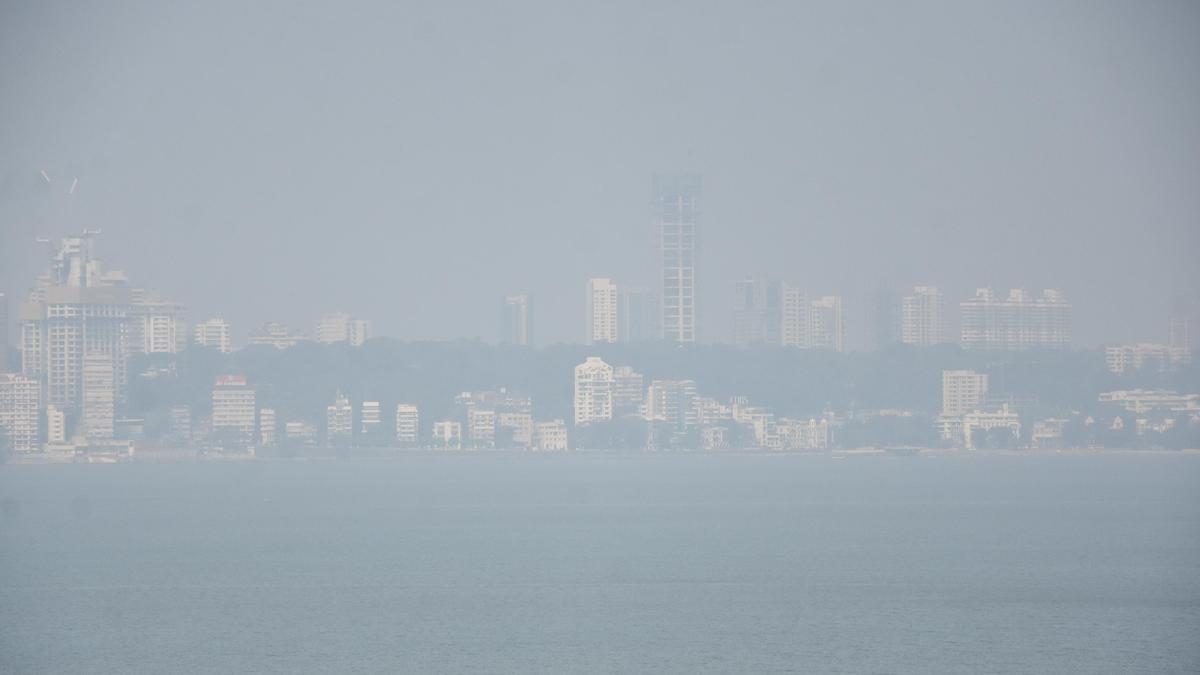
Mumbai’s worsening air quality came under intense judicial scrutiny on Tuesday as the Bombay High Court sharply criticised civic and pollution authorities for failing to enforce existing environmental norms. Hearing multiple petitions on deteriorating air conditions, the court warned that weak implementation and poor monitoring could push the city towards a prolonged public health crisis, with consequences similar to those witnessed in Delhi.
The bench expressed strong dissatisfaction with the Brihanmumbai Municipal Corporation and the Maharashtra Pollution Control Board, observing that pollution control rules appeared effective only on paper. It noted that violations at construction sites were widespread and routine, while enforcement actions were sporadic and largely reactive. Court-appointed committees, the judges said, had repeatedly found non-compliance across major infrastructure and real estate projects. A central concern raised by the court was the credibility of Mumbai’s air quality monitoring framework. Judges questioned why pollution monitoring stations operated by the state board failed to trigger timely alarms or public health advisories during periods of high pollution. The absence of transparent, independent oversight, the bench suggested, undermined public trust and allowed breaches to go unchecked. The court even indicated that third-party monitoring agencies may need to be considered.
Particular attention was paid to the health of construction workers, who remain exposed to dust and toxic emissions for extended periods. The bench asked what safeguards were in place to protect these workers, noting that the right to health is a fundamental constitutional guarantee. Industry experts told the court that while protocols exist, enforcement on the ground is inconsistent, leaving vulnerable labourers without adequate protection. Senior counsel representing civic authorities informed the court that show-cause notices and stop-work orders had been issued against violating projects. However, the judges remarked that such measures appeared insufficient in the absence of sustained compliance and systemic reform. Data gaps, fragmented reporting systems and poor coordination between agencies were also flagged as major weaknesses.
The High Court cautioned that Mumbai’s pollution trajectory could spiral out of control if corrective action is delayed. Emphasising that officials are citizens first, the bench reminded authorities of their duty to safeguard public health, particularly in a densely populated and economically vital city. The matter was adjourned to the following day, with the court directing agencies to return with concrete, long-term solutions rather than interim responses. From an urban development perspective, the hearing highlights a broader challenge facing India’s cities: balancing rapid construction with environmental responsibility. As Mumbai continues to expand, experts argue that stronger governance, integrated data systems and worker-centric safeguards are essential to building a healthier, more equitable and resilient urban future.
Mumbai High Court Raps BMC MPCB Says Pollution Norms Exist Only Paper