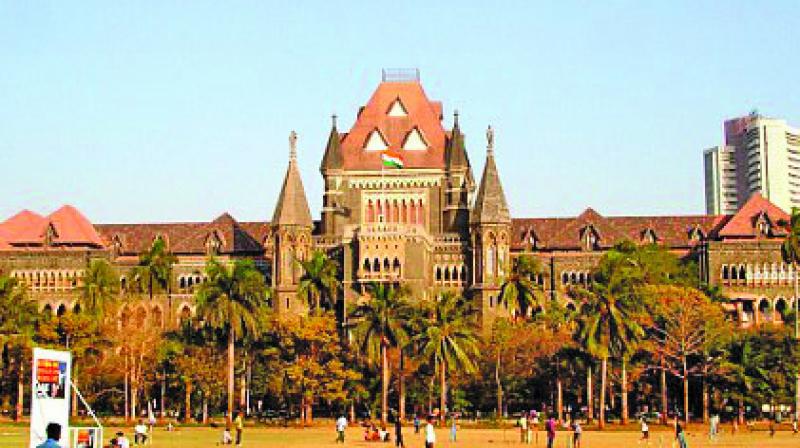
Mumbai High Court Flags Mangrove Lapses Orders Strict Compliance And Public Disclosure
The Bombay High Court has directed Maharashtra’s forest authorities to overhaul how mangrove removal is approved, monitored and compensated across development-led works in the Mumbai Metropolitan Region. The order, issued during a hearing related to infrastructure work near Kasheli Depot, raises concerns about inconsistencies between permissions granted and the ecological restoration recorded on the ground.
The court’s move signals a significant shift in how coastal ecosystems are governed in a rapidly growing megacity. During proceedings, the bench observed that existing compliance reports lacked transparency and accountability, especially in cases where large tracts of mangroves were cleared for transport, urban utilities and public infrastructure. The judges criticised agencies for seeking permissions late in project cycles, leaving the court with limited time to evaluate environmental impacts. Officials familiar with the matter said the ruling reflects the judiciary’s increasing insistence on environmental due diligence as cities expand. Under the new directives, mangrove planting must occur before removal activities begin, and only in ecologically similar coastal zones.
The court rejected the long-standing practice of replacing coastal mangroves with unrelated tree species planted inland, calling it “non-scientific” and inadequate for biodiversity protection. All compensatory planting must follow a clear “land-for-land” and “tree-for-tree” framework, tied directly to the affected project.The state government has also been instructed to create a public monitoring platform within six weeks. This portal must include decade-long project records, approvals granted, survival rates at restoration sites, geo-tagged images and plantation species data. Updates will be required every four months. Officials and environmental researchers say a transparent system may help bridge the gap between policy ambition and ecological outcomes.
Activists argue that Mumbai’s mangroves are more than passive vegetation — they act as storm barriers, carbon sinks and natural filters for a city facing rising sea levels and intensifying monsoons. One conservation expert said the ruling acknowledges that “development and environment cannot be seen as competing goals”, especially in regions vulnerable to climate change. The court will periodically review compliance, marking a long-term oversight framework rather than a one-time order. As Mumbai pushes ahead with metro networks, bridges and energy corridors to support its expanding population and economy, the ruling reinforces the need to embed ecological resilience into urban planning rather than treating it as an afterthought.
If the state follows through, the directive may become a benchmark for coastal cities balancing infrastructure growth with ecological protection — a shift critical for ensuring cities remain liveable, adaptive and equitable in a warming world.