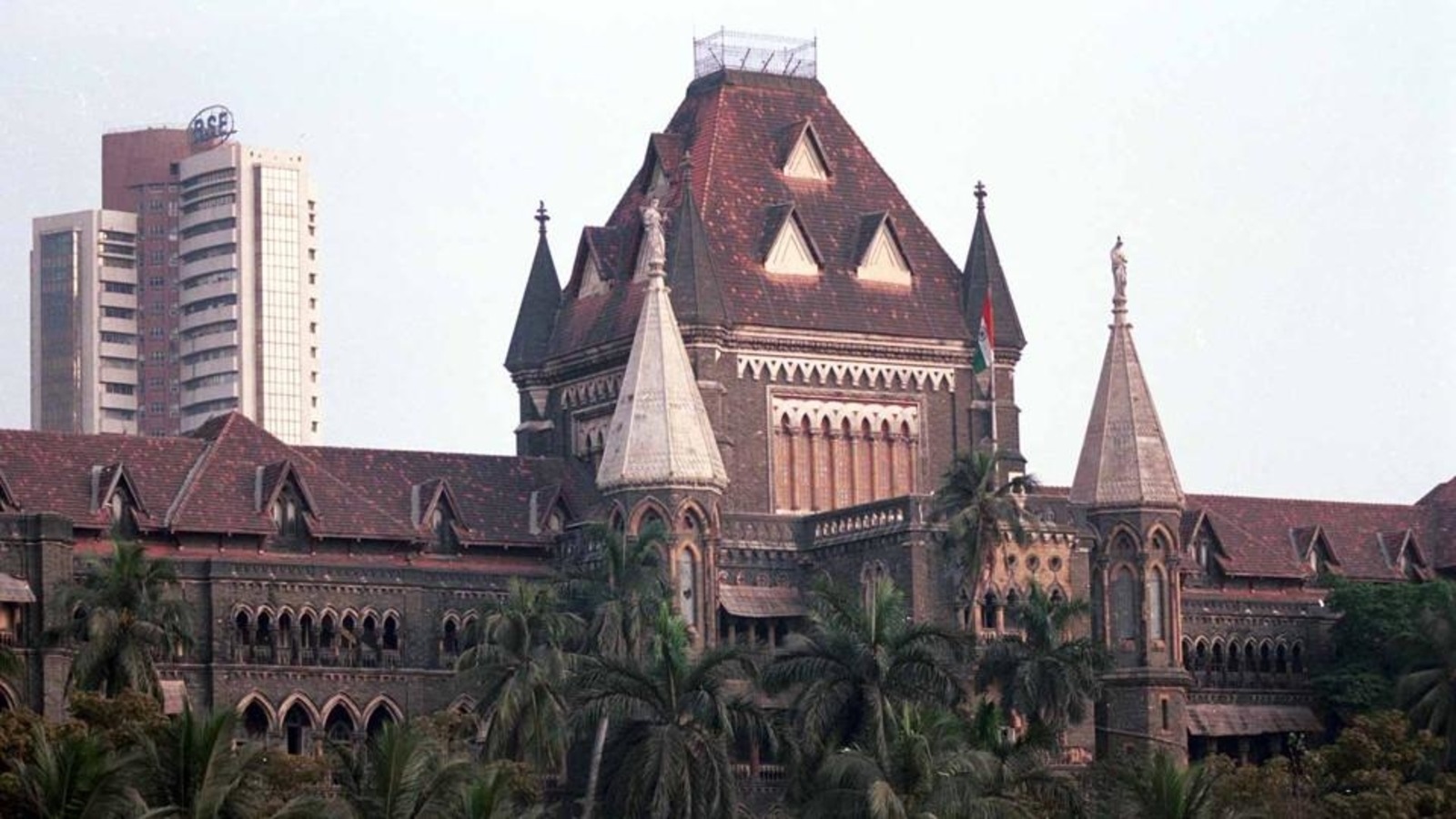
Judicial concern over Mumbai’s shrinking public spaces has resurfaced, with the Bombay High Court questioning the city administration’s capacity and resolve to tackle illegal structures occupying roads and pavements. The observations came during proceedings linked to a dispute in the Powai area, but the implications extend far beyond a single neighbourhood, touching on the long-term sustainability of urban mobility and civic governance in India’s financial capital.
The court flagged the steady expansion of unauthorised constructions and roadside squatting as a systemic failure rather than isolated violations. Judges hearing the matter warned that unchecked encroachments are steadily eroding carriageways and pedestrian space, raising the risk of congestion, accidents, and reduced emergency access. For a city already operating close to its infrastructure limits, such pressures threaten economic efficiency and daily quality of life. At the centre of the scrutiny was the Brihanmumbai Municipal Corporation, which was asked to clarify the effectiveness of its enforcement mechanisms. The bench indicated that repeated inaction sends a signal of tolerance, encouraging further violations and undermining the rule of law in urban planning. Legal experts note that court interventions of this nature often reflect deeper frustration with fragmented accountability across civic departments.
The case itself originated from a petition filed by an educational institution in Powai, where surrounding encroachments were alleged to be obstructing access roads and compromising safety. While the immediate dispute relates to localised impacts, urban planners say such scenarios are increasingly common across Mumbai, particularly in high-growth zones where land values and informal economic activity collide. From a mobility perspective, the court’s remarks underscore a critical challenge for climate-resilient cities. Encroached roads reduce effective lane width, slow public transport, and discourage walking and cycling—modes essential for reducing emissions in dense urban environments. Transport analysts argue that reclaiming public right-of-way is as important as building new infrastructure, especially as Mumbai invests heavily in metro corridors, flyovers, and coastal roads.
The judiciary also raised questions about what Mumbai’s streetscape could look like over the next two decades if enforcement remains weak. Urban economists point out that congestion carries hidden costs: lost productivity, higher logistics expenses, and increased pollution-related health burdens. These costs disproportionately affect lower-income commuters who rely on buses, walking, and shared mobility. Civic officials maintain that eviction drives and notices are routinely issued, but acknowledge that sustained action is complicated by legal challenges, rehabilitation obligations, and political sensitivities. However, governance experts argue that consistent, transparent enforcement—paired with inclusive rehabilitation policies—is essential to balance social equity with urban order.
As the matter proceeds, the court is expected to seek clearer timelines and accountability from the civic administration. Beyond compliance, the episode highlights a broader inflection point for Mumbai: whether it can protect shared urban space while accommodating growth. The outcome may shape how Indian cities reconcile informality, infrastructure expansion, and people-first street design in the years ahead.
Mumbai High Court Flags Growing Road Encroachments