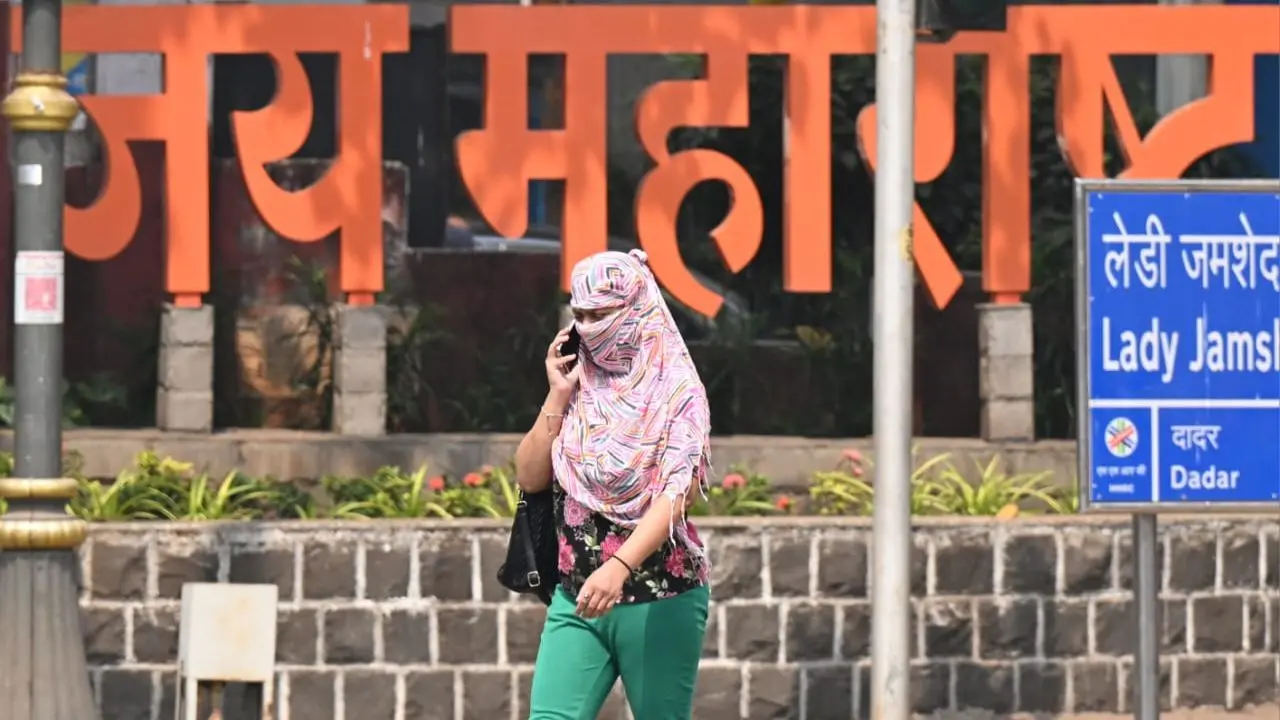
Mumbai is experiencing an unusually sharp rise in temperatures for early March, with meteorological observations indicating conditions well above the seasonal average. The city’s primary weather monitoring station at Santacruz recorded a maximum temperature close to 39°C midweek, highlighting what experts describe as an early sign of an intense pre-summer period. According to the latest Mumbai heatwave outlook, elevated temperatures and high humidity could continue through the coming months, raising concerns for public health, energy demand and urban resilience.
Daytime heat combined with coastal humidity has intensified discomfort across the Mumbai Metropolitan Region. Weather officials noted that humidity levels have climbed significantly, amplifying the “feels like” temperature experienced by residents in densely populated neighbourhoods and commercial districts. The city’s night-time readings have also remained above seasonal norms, limiting natural cooling during late hours. Meteorological agencies have cautioned that nearby districts such as Thane, Palghar, Raigad and Ratnagiri may experience prolonged spells of hot and humid conditions. Although advisory alerts have eased for Mumbai city itself, surrounding parts of the metropolitan region remain under watch for uncomfortable weather patterns linked to the evolving Mumbai heatwave outlook.
Urban climate researchers say early seasonal warming has become increasingly visible across India’s coastal megacities. In Mumbai, a combination of urban density, declining tree cover in certain corridors and extensive concrete surfaces often contributes to what scientists describe as the urban heat island effect. This phenomenon traps heat within built environments, causing temperatures in city centres to remain higher than surrounding rural areas. The emerging Mumbai heatwave outlook also holds implications for infrastructure and economic activity. Rising daytime temperatures typically increase electricity consumption as households and businesses rely more heavily on cooling systems. Energy planners warn that sustained heat can strain power distribution networks, especially during peak afternoon demand.
Real estate experts note that prolonged summer heat is also reshaping building design priorities. Developers across the Mumbai Metropolitan Region are increasingly incorporating passive cooling strategies such as improved ventilation, reflective roofing materials and shaded public spaces to mitigate rising temperatures in residential and commercial developments. Health authorities have also advised residents to remain cautious during peak heat hours. Urban populations, particularly outdoor workers, transport staff and informal sector labourers, are more vulnerable to heat stress when humidity levels remain high.
Climate analysts emphasise that temperature patterns seen this month may foreshadow broader seasonal trends. National weather forecasts for the March–May period suggest that several regions of the country, including western India, may experience warmer-than-usual conditions. For Mumbai’s rapidly expanding metropolitan region, the evolving Mumbai heatwave outlook underscores the importance of climate-responsive urban planning. Measures such as expanding urban green cover, improving shaded pedestrian infrastructure and enhancing cooling efficiency in buildings are increasingly viewed as critical steps for cities adapting to rising heat risks. With the summer season only beginning, city authorities and infrastructure managers are expected to closely monitor temperature trends and public health advisories in the weeks ahead.