


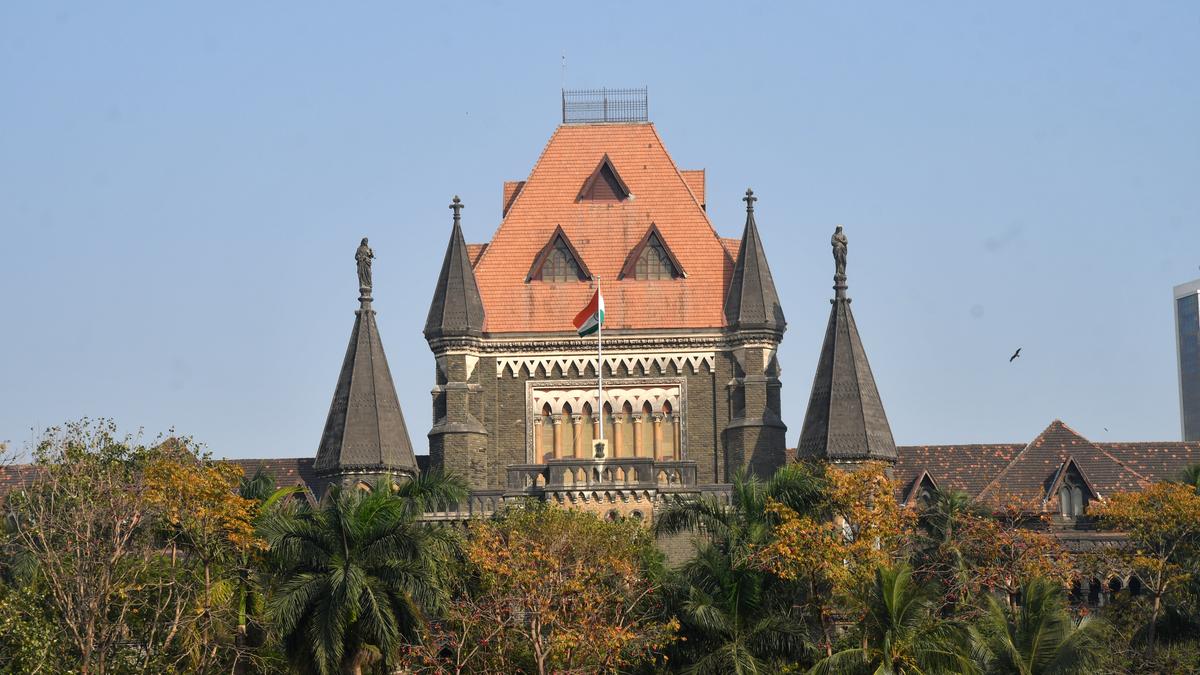
The Bombay High Court has issued a stern warning that unchecked illegal constructions in rapidly growing towns could trigger a “colossal failure” in urban planning, undermining lawful development and creating long-term hazards for residents. In its recent observations, the court highlighted that civic authorities must prioritise legal and regulated urban growth rather than allowing unauthorised developments to proliferate unchecked.
Justices of the bench emphasised that resources such as water, electricity, and public amenities are allocated for authorised occupants. Illegal construction not only disrupts city infrastructure but also endangers future property buyers who might invest in unapproved developments. The court made these points while adjudicating a case involving an unauthorised building in Thane’s Vartak Nagar, which had no municipal approval and had been targeted for demolition since February 2025. Civic authorities have undertaken substantial steps to make the building uninhabitable. Internal walls of multiple floors were demolished, and water and electricity connections were disconnected. The building has been fully vacated. Officials reported that demolition will continue over the next three weeks. The court noted that this was not an isolated incident; the same plot had witnessed illegal construction in 2007, highlighting recurring lapses in urban oversight.
The bench called for robust ward-level vigilance, urging municipalities to proactively prevent illegal developments before they escalate. Officials responsible for delays in enforcement have faced disciplinary action, demonstrating a zero-tolerance approach. The court also pressed the urban development department to implement or revamp policies, ensuring all municipal authorities strictly follow planning norms to prevent systemic failures. Experts emphasised that fast-growing towns like Thane face increasing pressure on infrastructure and civic amenities. Legal urban planning safeguards the equitable distribution of resources, while uncontrolled construction can exacerbate traffic congestion, compromise water supply, and restrict access to public spaces. The High Court’s warnings reflect a broader concern for sustainable, equitable city planning that protects both existing residents and future investors.
Urban planning specialists note that these measures are critical for creating resilient cities capable of accommodating growth without compromising public safety or resource availability. “Legal compliance is the backbone of sustainable development,” said a city planning official. Authorities have also been urged to educate the public on the risks of unauthorised construction, ensuring community awareness complements enforcement. The court’s verdict signals a decisive stance against illegal construction, reinforcing the necessity of preemptive governance and meticulous enforcement. By addressing these challenges proactively, municipal authorities can secure long-term urban sustainability while protecting residents from the hazards associated with unauthorised developments.
Also Read : MHADA Extends Deadline For 5,285 Flats, 77 Plots In Thane, Vasai Till September 12
