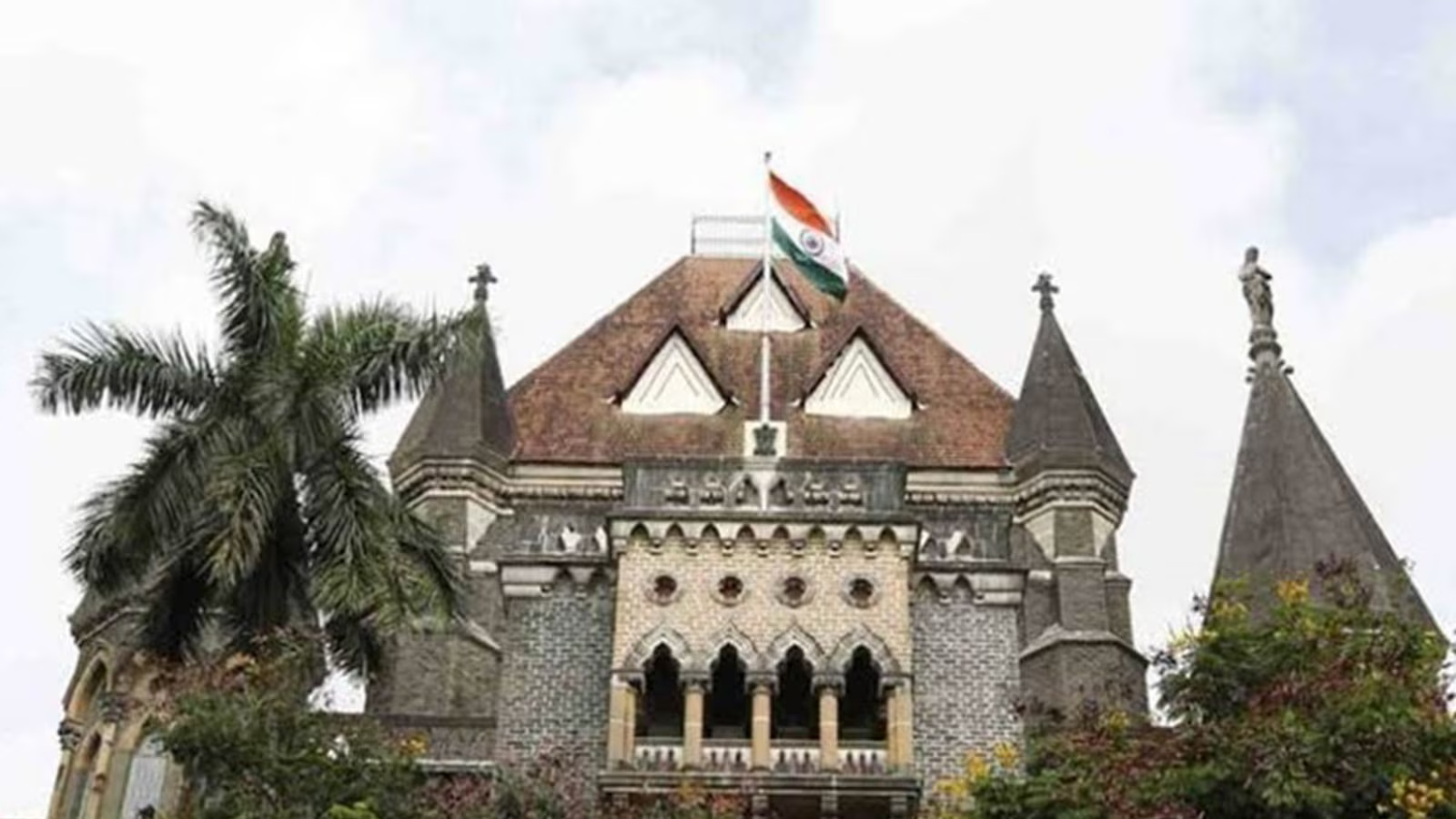
The Bombay High Court has asked the Brihanmumbai Municipal Corporation (BMC) to clearly determine the structural status of Mehta Mahal, a mixed-use building near Charni Road, following contradictory assessments issued by the civic administration. The direction comes amid rising public concern over the safety of ageing buildings across the city, many of which lie in dense neighbourhoods with limited evacuation and redevelopment options.
At the centre of the dispute is the building’s categorisation under BMC’s structural grading system. One technical panel had earlier placed the property in the C2B category, which requires urgent repairs but not demolition. A subsequent assessment, however, suggested it should be listed as C1—indicating that the building is unfit for occupation and must be razed. The conflicting evaluations triggered petitions from both the co-operative society managing part of the property and a private entity owning another portion, leaving the High Court to seek clarity from the municipal administration.
In its recent submissions, BMC informed the court that the building’s inclusion in the C1 list earlier this year was the result of an internal miscommunication. Officials said the structure was now shifted back to the C2 category after re-examining records. The court noted that this reversal raised further questions about the reliability of the civic body’s processes and technical vetting. A senior civic official, speaking on background, said overlapping responsibilities between departments often lead to inconsistencies in structural audits. Experts in urban governance argue that Mumbai urgently needs a more transparent and uniform system for classifying old buildings, especially as climate-related stresses accelerate the deterioration of ageing infrastructure. They add that predictable and accountable processes are crucial for equitable housing and citizen safety.
The court has now directed the municipal commissioner to review the entire case file and establish a definitive position based on documented evidence. It also suggested that an explanation be sought from members of the technical advisory committee regarding their shifting assessment. This includes reconciling the discrepancy between the civic evaluation, the committee’s earlier opinion, and an independent assessment conducted by a premier engineering institute. The dispute highlights a larger challenge facing Mumbai’s built environment: balancing safety, heritage value, housing needs, and redevelopment pressures in a city where many structures predate modern building norms. Urban planners say such cases underline the need for updated audit systems, independent monitoring, and stronger communication channels between citizens and public authorities — essential prerequisites for creating resilient, inclusive, and sustainable urban neighbourhoods.
The High Court will review the matter again in January, and residents of the building, along with other stakeholders in the area, await clarity on whether repairs will be approved or demolition will proceed.
Mumbai HC Flags BMC Shifting Stands On Charni Road Building Safety