


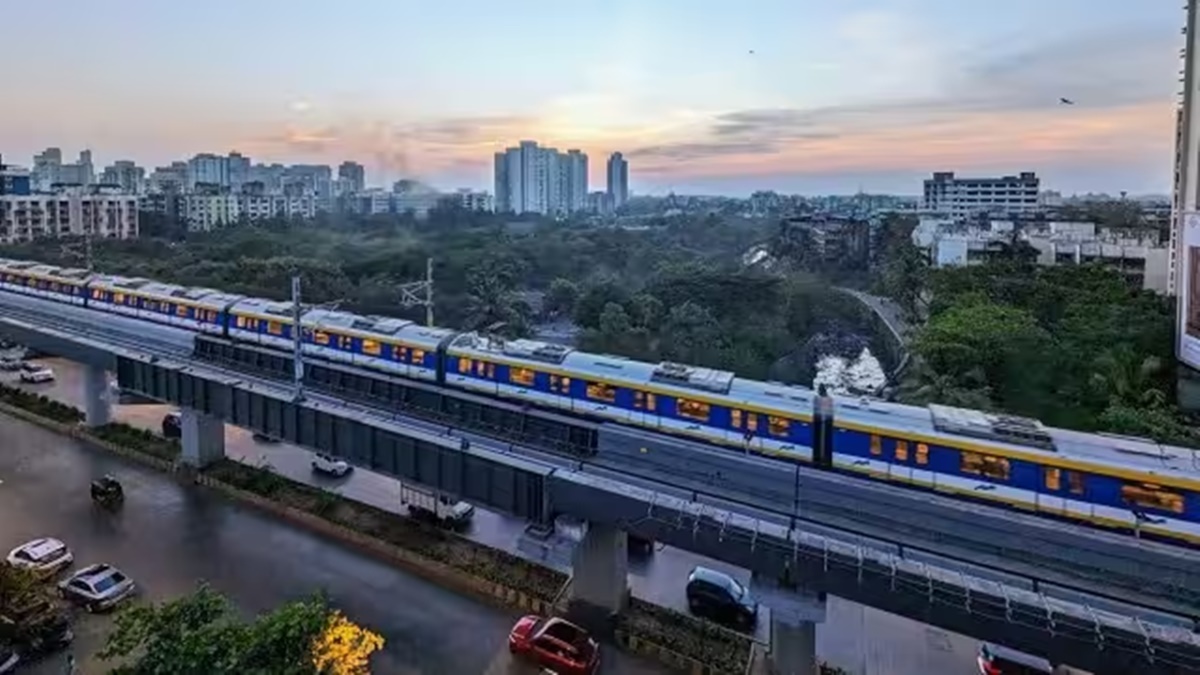
The Bombay High Court has cleared the construction of a carshed at Kanjur village for Mumbai’s Metro Line 6, underscoring the project’s significance for urban transport and public convenience. The court emphasised that the infrastructure initiative is in the public interest, aimed at enhancing city-wide connectivity along the busy corridor connecting Swami Samarth Nagar in Andheri to Vikhroli.
Officials from the Mumbai Metropolitan Region Development Authority (MMRDA) informed the bench that the project would impact 34 non-mangrove trees and require partial diversion of forest land. The requisite environmental approvals have been obtained, including permissions from the Maharashtra Coastal Zonal Management Authority (MCZMA) and the State Environment Impact Assessment Authority. Compensatory afforestation is planned, with 0.10 hectare earmarked at Manori to offset the environmental footprint. A division bench comprising the Chief Justice and a senior judge highlighted that MMRDA must adhere strictly to the conditions set by regulatory authorities during construction. The authority had approached the High Court requesting direction from the Union Ministry of Environment, Forest and Climate Change to commence work on Metro Line 6, including the construction of supporting piers at Kanjur village.
Metro Line 6, which traverses the eastern and central suburbs of Mumbai, passes through sensitive ecological zones, including sections of mangrove forests. The MMRDA maintained that the land requirement for the carshed was the minimum necessary, spanning 1 hectare within a total 15.02-hectare site, with portions lying in Coastal Zone Regulation-II. Officials stated that all efforts had been made to minimise ecological disruption while adhering to regulatory norms. Experts overseeing the project had assessed the environmental and social impact before granting approvals. The High Court noted that expert bodies had already considered these factors, enabling the project to proceed with a balance between developmental needs and environmental safeguards.
Once completed, Metro Line 6 is expected to significantly reduce commute times and enhance last-mile connectivity for thousands of residents in Mumbai’s eastern corridor. The carshed will serve as a key operational hub, supporting maintenance and storage of train rakes, while streamlining metro operations along this vital route. Officials emphasised that infrastructure expansion in metropolitan regions must consider both public utility and ecological sustainability. With compensatory afforestation and adherence to environmental safeguards, authorities aim to deliver a modern, zero-carbon urban transport solution that is both efficient and environmentally responsible.
The approval by the Bombay High Court marks a pivotal step in realising Mumbai’s metro expansion plans. Experts suggest that successful implementation of Metro Line 6, along with its operational carshed, will strengthen the city’s sustainable mobility network, offering a model for balancing rapid urbanisation with ecological conservation.
Also Read : Gurgaon Roads Blocked As Buses Lack Parking Bays Causing Gridlock
