


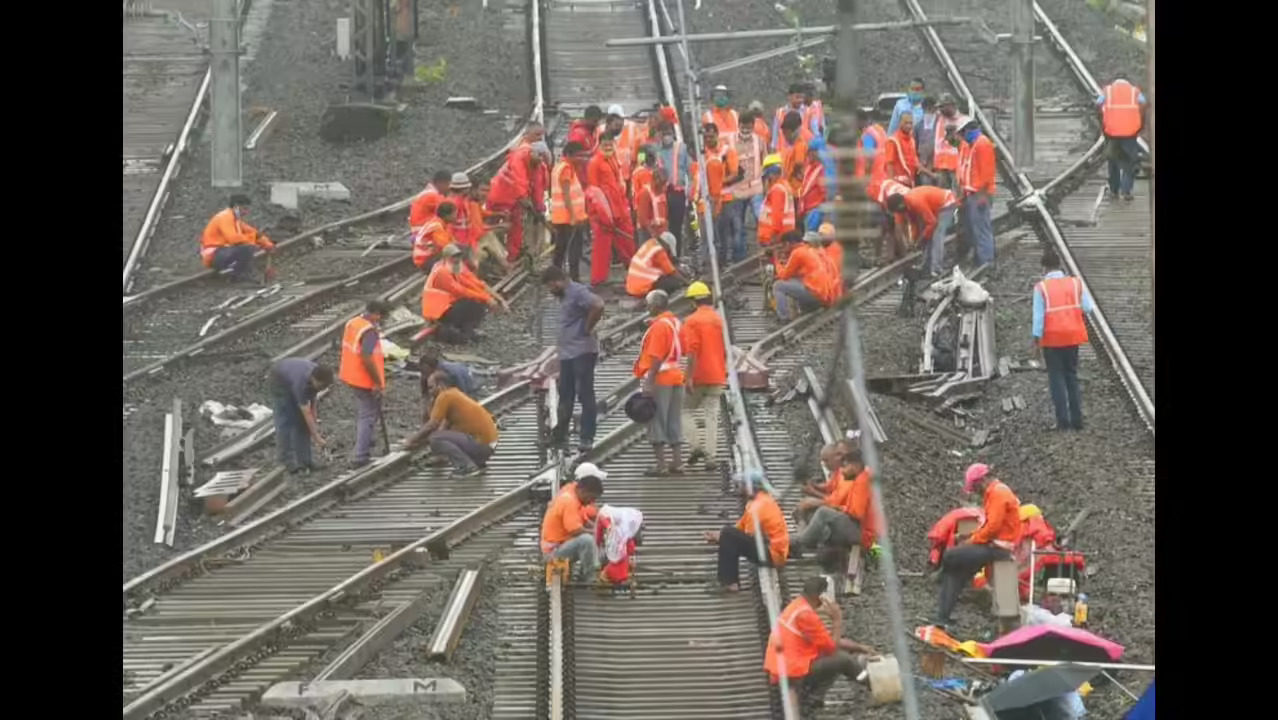
Mumbai’s suburban rail network—vital for millions—will undergo night-time operational changes as the Central Railway (CR) rolls out new electronic interlocking systems at Vashi station. From August 5 to 9, commuters on the Harbour line will experience modified service patterns between 10:45 pm and 3:45 am, as upgrades are prioritised to enhance future capacity and safety.
CR officials have confirmed that the upgrade will necessitate special traffic blocks nightly over the four-day window to install critical signalling equipment. This work aims to modernise station operations at a key junction, enabling more efficient train movements and strengthening safety protocols. During the disruption period, several scheduled services will be curtailed. For instance, the 8:54 pm and 9:16 pm Belapur–CSMT locals will now terminate at Vashi and Wadala Road respectively instead of completing their usual journey. Likewise, the 10 pm Bandra–CSMT local will end at Wadala Road. Late-night Panvel–Vashi services at 10:50 pm and 11:32 pm will be terminated early at Nerul. Morning downline operations will also see adjustments, with some services originating from Nerul or Wadala Road rather than the central terminus at CSMT. On August 7 and 8, the 5:10 am Goregaon service will start at Wadala Road.
Certain early morning trains departing Vashi between 4:03 am and 5:04 am will be cancelled on the affected nights, while multiple late-night downline locals from CSMT to Vashi will not run. Passengers are advised to verify updated schedules and adjust their plans accordingly to avoid inconvenience. Railway authorities emphasise that these temporary measures are essential groundwork for long-term network resilience. The electronic interlocking system is expected to improve traffic management, signal synchronisation, and the overall reliability of services across the Harbour line.
Transport analysts note the significance of implementing cutting‑edge signalling technology in one of India’s most heavily utilised commuter corridors. Such advances are critical not only to accommodate rising passenger demand but also to reduce carbon footprint—by minimising delays and avoiding reliance on secondary transport during disruptions. Local authorities have urged gender‑neutral inclusivity in passenger outreach; advisory notices and alerts will be designed to ensure accessibility for all commuters. Safety crews and station staff will be deployed across affected stations late at night to assist passengers and coordinate boarding adjustments.
While the short-term inconvenience may cause concern among daily travellers, experts affirm that the upgrades represent a shift towards smart, sustainable urban mobility in Mumbai—an unavoidable step for a city that produces over 7,000 metric tonnes of waste daily yet aims for greener transit infrastructure. The night‑block upgrade also coincides with preparations for broader suburban system enhancements slated for late 2025. Observers highlight that proactive infrastructural investment—even with temporary disruption—is key to maintaining a future‑ready transport ecosystem.
Also Read : NGT Acts On Sanjay Gandhi Park Land Diversion Involving MMRDA
