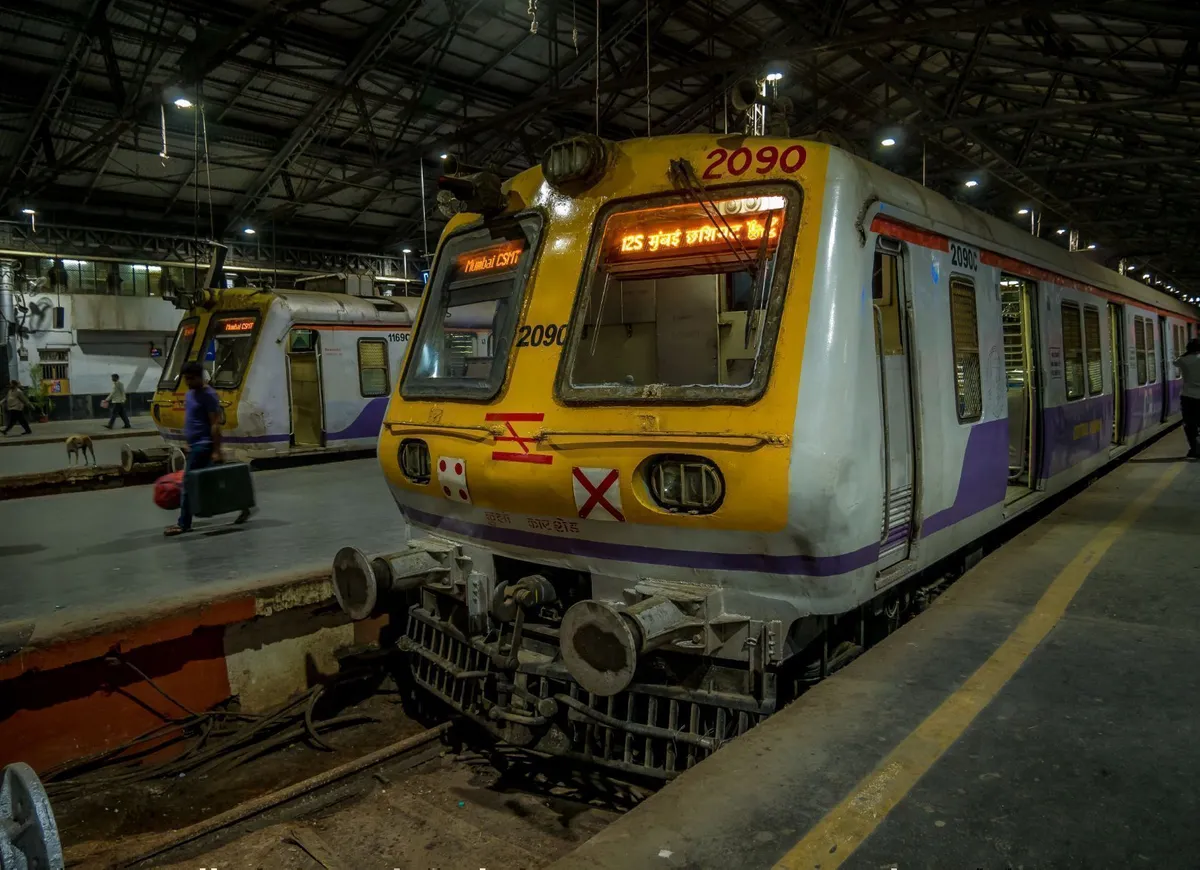
A technical failure on Mumbai’s Harbour Line briefly disrupted suburban train operations on Sunday evening, exposing the vulnerability of critical rail infrastructure that underpins daily mobility across the metropolitan region. The incident, which occurred between Nerul and Juinagar, led to the suspension of services on a key stretch connecting Navi Mumbai to the island city.
Railway officials confirmed that the disruption was caused by a fault in the overhead equipment (OHE), the electrification system that powers suburban trains. Services on the Panvel–CSMT corridor were halted as emergency teams were deployed to restore the damaged section. Operations resumed gradually after repairs were completed, but not before commuters experienced delays and service interruptions during a busy travel period. The Harbour Line disruption highlights the operational sensitivity of Mumbai’s suburban rail network, where even short-term technical failures can ripple across the system. With trains running at high frequency and near-capacity levels, any disruption often leads to crowding at stations, extended waiting times, and spillover pressure on parallel routes.
Urban transport analysts point out that while electrified rail systems are among the most energy-efficient modes of mass transit, they require consistent maintenance and rapid response mechanisms to ensure reliability. “OHE systems are critical to operations, and their failure—even for a short duration—can significantly impact service continuity in dense urban corridors,” said a transport infrastructure expert. The affected stretch serves a large commuter base travelling between Navi Mumbai, Thane, and South Mumbai, making it an essential link in the broader metropolitan transport network. For many daily passengers, the Harbour Line provides a more direct alternative to road travel, which is often slower and more congested.
The incident also underscores the need for ongoing investment in infrastructure resilience, particularly as Mumbai’s rail network continues to expand and modernise. Experts suggest that preventive maintenance, real-time monitoring systems, and redundancy planning are key to minimising such disruptions in the future. From a sustainability perspective, ensuring uninterrupted rail services is crucial for reducing reliance on private vehicles and limiting urban congestion and emissions. Frequent breakdowns, even if temporary, can undermine commuter confidence and shift travel patterns towards less sustainable modes.
Railway authorities have indicated that timely intervention helped restore services within a relatively short window. However, the event serves as a reminder of the operational challenges involved in managing one of the world’s busiest suburban rail systems. As Mumbai continues to depend on rail-based mobility for millions of daily journeys, strengthening infrastructure reliability will remain central to improving commuter experience and supporting the city’s broader goals of efficient, low-carbon urban transport.
Mumbai Harbour Line Services Disrupted By OHE Failure