


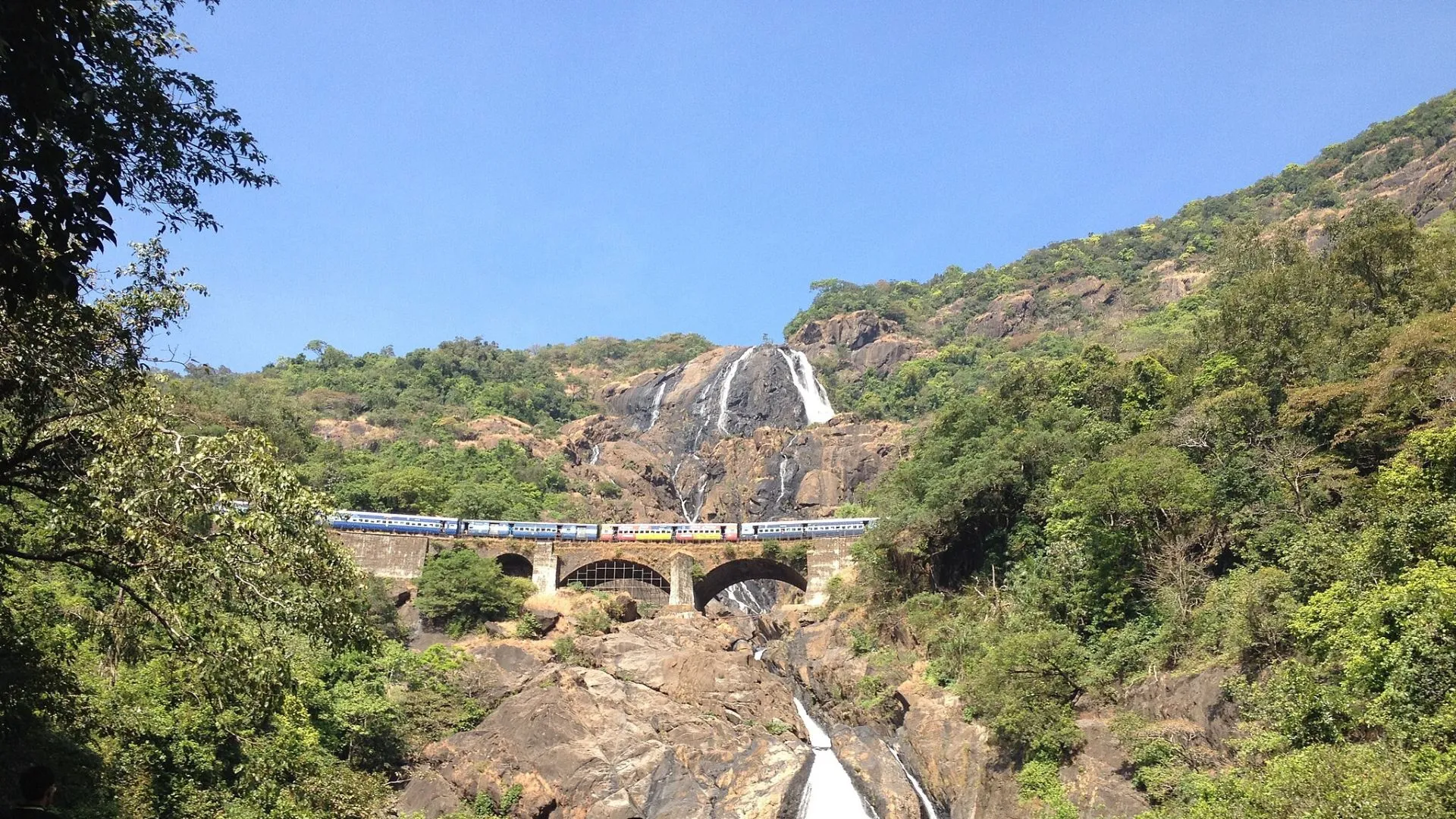
Konkan Railway Corporation Ltd (KRCL) is exploring the rollout of a new Roll-on/Roll-off (RoRo) train service for private vehicles between Kolad in Maharashtra and Goa. Targeted for a potential launch ahead of the Ganpati festival in late August, the initiative could allow drivers to transport their vehicles on specially designed train wagons—while remaining inside the cars themselves.
The proposal is inspired by the success of KRCL’s freight-focused RoRo service that currently operates between Kolad and Mangaluru, primarily used by truck operators. This new passenger-oriented model aims to offer a seamless, low-stress alternative to the frequently congested Mumbai–Goa highway, especially during peak festive seasons when road traffic turns into hours-long gridlocks.
As per the plan under review, travellers would drive roughly 106 kilometres from Mumbai to Kolad station, where their cars or SUVs would be loaded onto modified flatbed wagons. The onward journey to Goa would then take place by rail, reducing the carbon footprint of private travel, cutting fuel use, and enhancing road safety. For passengers, it means resting or even sleeping through the typically grueling 10 to 12-hour drive, arriving refreshed at their destination.Technically, the project will require adjustments. The current RoRo wagons were built for freight trucks, which means ramp alignments, tunnel clearance near Pernem and Old Goa, and safety protocols must be updated for passenger carriage. At least 40 cars per trip would be required to make the service financially viable. KRCL is working on these adaptations and has indicated optimism about launching a pilot journey in time for the Ganpati festivities beginning 27 August.
According to KRCL leadership, the project could support a more sustainable travel ecosystem by shifting high-volume personal vehicle travel away from fossil-fuel-heavy roads to electrified rail infrastructure. Besides easing congestion on the National Highway 66—an arterial route that sees a massive uptick in traffic during vacation and festival periods—the initiative also resonates with broader goals of reducing emissions in passenger transport.From an infrastructure standpoint, implementing a passenger RoRo system will require more than engineering changes. Regulatory clearances from safety and railway authorities will be critical, especially as passengers would remain inside their vehicles throughout the journey. There is also the need for coordinated scheduling with existing passenger and freight services along the Konkan route.
The idea has caught the attention of travellers, sustainability advocates, and tourism planners alike, as Goa continues to remain one of India’s most visited destinations. For second-home owners, weekend tourists, and families who prefer the comfort of their personal vehicles but dread the highway chaos, this service could become a game-changer.
If successful, the Kolad–Goa RoRo could set a precedent for similar models across other high-demand corridors in the country. In a transport landscape where the push for greener, smarter, and more equitable mobility options is becoming urgent, Konkan Railway’s proposal stands out not just for its novelty, but for its ability to blend convenience with sustainability. While the service remains under active evaluation, its potential to reshape leisure travel between Mumbai and Goa is undeniable.
Also Read : Mumbai Bullet Train Tunnel Faces Major Delay
