


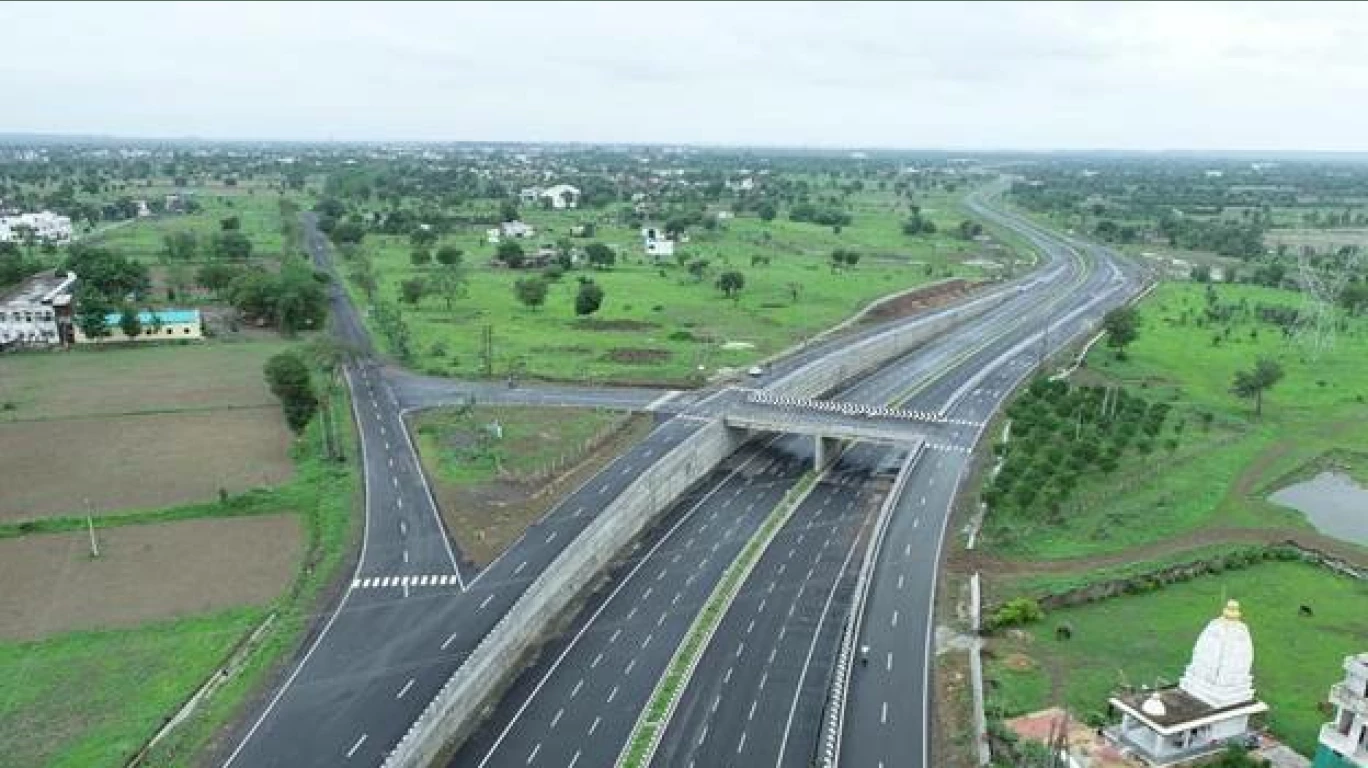
The long-delayed 84-kilometre Panvel–Indapur stretch of the Mumbai–Goa Highway is finally approaching completion, with officials setting a new operational deadline for December this year. Authorities have confirmed that only around four kilometres of work remain on the section, which has been split into two equal packages: Panvel to Kasu and Kasu to Indapur.
This segment, a critical part of the 555-kilometre Mumbai–Goa Highway, has faced multiple setbacks over recent years, including contractor disputes and financial constraints. The revised timeline aims to provide much-needed relief to commuters who have endured inconsistent road connectivity, frequent bottlenecks, and extended travel times across this vital corridor. Officials from the National Highways Authority of India (NHAI) stated that the completion of this stretch will significantly enhance mobility and reduce congestion along the Mumbai–Goa route. A site review by top state officials is scheduled in mid-August to assess progress on the ground and ensure adherence to the new timeline.
The 84-kilometre Panvel–Indapur section is only part of Maharashtra’s broader highway network development. Of the state’s 460-kilometre portion of the Mumbai–Goa Highway, NHAI oversees this stretch, while the remaining 376 kilometres fall under the Maharashtra Public Works Department’s (PWD) jurisdiction. Once completed, the entire highway will improve transport efficiency and promote sustainable regional connectivity, with reduced fuel consumption and travel time. Experts highlight that timely completion is essential not only for logistics and passenger traffic but also for boosting economic activity along the corridor. The enhanced highway infrastructure is expected to improve access to ports, industrial hubs, and tourism destinations along the Konkan coast, benefiting local communities while supporting environmentally conscious transport solutions.
Despite previous delays, the renewed focus on project execution, including robust monitoring and quality checks, reflects authorities’ commitment to operationalising critical infrastructure that balances speed, safety, and environmental sustainability. Officials emphasised the integration of eco-friendly design elements, including erosion control measures, proper drainage, and minimal disruption to surrounding green belts. Completion of this stretch marks a pivotal step in the larger vision of the Mumbai–Goa Highway, which will eventually link Maharashtra with Goa, enhancing connectivity, promoting regional trade, and creating safer travel conditions. The project aligns with broader sustainable transport objectives, aiming to streamline vehicular movement while mitigating carbon emissions through smoother, uninterrupted travel.
As December approaches, commuters and commercial operators anticipate a transformative improvement in travel along this historically challenging corridor, signalling a new phase of efficient, eco-conscious highway infrastructure in western India.
Also Read : Mumbai Hit By Heavy Rains Tulsi Lake Overflows Winds Lash City
