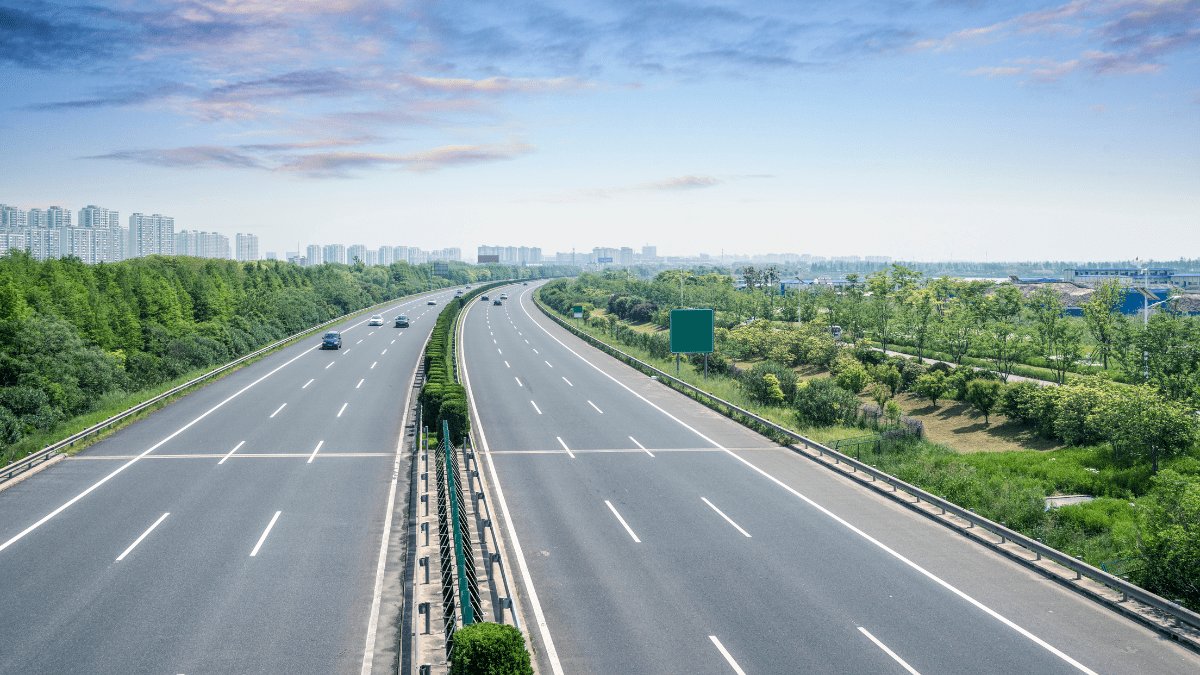
After nearly two decades of delays, the long-stalled Mumbai–Goa highway upgrade is approaching a decisive milestone. The Maharashtra government has indicated that most four-laning works on the critical coastal corridor will be completed by May, potentially easing chronic travel disruptions across the Konkan region and reshaping road connectivity between Mumbai and Goa.
The 471-kilometre highway, a lifeline linking Mumbai with coastal districts and Goa, has been under widening for around 18 years, straining commuters, freight operators and local economies. According to officials overseeing the project, all but one key bypass section are expected to be ready by the end of the current construction window, with instructions issued to ensure that completed stretches remain fully motorable until final handover. The Mumbai–Goa highway plays a pivotal role in connecting the Konkan belt—one of Maharashtra’s most ecologically sensitive yet economically under-served regions—to the Mumbai Metropolitan Region. For residents, the prolonged construction phase has meant unpredictable travel times and heightened safety risks. For businesses, especially tourism and agri-logistics, delays have translated into higher costs and lost opportunities.
Widening work is being executed jointly by the National Highways Authority of India and the state Public Works Department, reflecting the corridor’s national and regional importance. Of the nearly 438-kilometre stretch between Panvel and Zarap, four-laning has been completed on over 95% of the route. The remaining segments are under construction, excluding major structures such as flyovers and bridges that will extend beyond the immediate deadline. Road safety has emerged as a central concern during the final phase of works. Data shared in the state legislature indicates that accident numbers on certain under-construction sections remain significant, though officials maintain that fatality rates have declined compared to earlier years. Urban transport experts argue that incomplete widening, temporary diversions and uneven surfaces continue to pose risks, underscoring the need for rigorous maintenance until the corridor is fully stabilised.
From an urban development perspective, the Mumbai–Goa highway is more than a transport project. Improved road capacity is expected to unlock growth across the Konkan region, supporting decentralised tourism, real estate development and regional employment while reducing pressure on Mumbai. Planners note that reliable connectivity is essential for balanced growth, especially as coastal towns seek to attract investment without compromising environmental resilience. However, sustainability experts caution that highway upgrades must be paired with safeguards for fragile ecosystems. The Konkan coast is prone to landslides and flooding, and climate-resilient design—such as proper drainage, slope stabilisation and controlled access—will determine whether the corridor remains viable in the long term.
As the project moves into its final stretch, attention is shifting from construction timelines to operational readiness. For commuters and businesses alike, the real measure of success will be whether the Mumbai–Goa highway finally delivers safer, predictable and climate-resilient connectivity—something the region has awaited for nearly a generation.
Mumbai Goa Highway Nears Long Awaited Completion