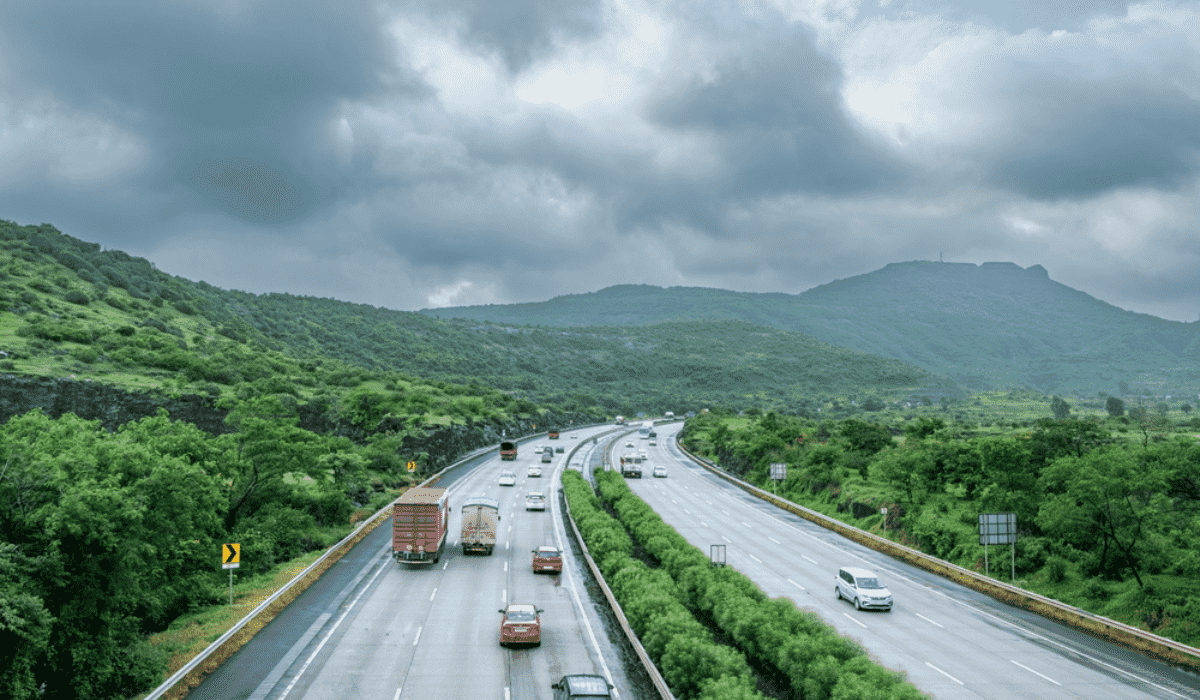
Mumbai Goa Highway Nears Completion After 14 Years To Halve Travel Time
After over a decade of delays, the long-awaited Mumbai–Goa highway is finally approaching completion, setting the stage for a significant transformation in Maharashtra’s transport and tourism landscape. Officials confirm that 95 per cent of the 466-kilometre corridor is now ready, with full operations targeted for March 2026. The project, once plagued by bureaucratic delays and land acquisition hurdles, now stands as a symbol of renewed infrastructure momentum in the state.
Originally launched in 2011, the Mumbai–Goa highway aims to drastically cut travel time between the financial capital and the Konkan coast from nearly 12 hours to just six. The corridor stretches from Panvel in Mumbai to Sindhudurg, weaving through Raigad and Ratnagiri districts, linking multiple industrial clusters, ports, and coastal towns. Once completed, it is expected to revitalise the regional economy by facilitating faster logistics, tourism inflows, and equitable access for remote communities.
However, progress has not come cheap. The project’s estimated cost has nearly doubled from ₹3,500 crore to ₹7,300 crore due to rising construction costs, material price hikes, and prolonged administrative lapses. Despite the cost escalation, infrastructure experts argue that the long-term economic and social returns will outweigh the investment. Improved connectivity is projected to boost small-scale industries, tourism, and agribusinesses that depend heavily on road transport across the Konkan belt.
A defining feature of the modernised expressway is its cutting-edge toll management system. The highway will introduce satellite-based tracking and Automatic Number Plate Recognition (ANPR) technology, enabling seamless toll collection without halting traffic. This innovation is expected to reduce congestion, cut down idle fuel consumption, and lower vehicular emissions aligning with India’s broader push toward sustainable mobility.
Infrastructure planners highlight that such upgrades will not only reduce travel time but also strengthen road safety and reliability. Enhanced lane width, modern crash barriers, and improved drainage systems are part of the final stage of construction. Once operational, the highway is expected to reduce accident rates and improve overall commuting comfort for both passenger and freight vehicles.
Experts from the state’s public works department suggest that the project could serve as a benchmark for future highway development across India. It demonstrates how sustained planning and technology adoption can offset the setbacks of delays, ensuring that infrastructure projects contribute meaningfully to both economic growth and environmental resilience.As Maharashtra readies to unveil one of its most ambitious road corridors, the Mumbai–Goa highway stands poised to redefine regional travel, strengthen intercity trade, and ignite a new era of sustainable infrastructure growth in western India.