


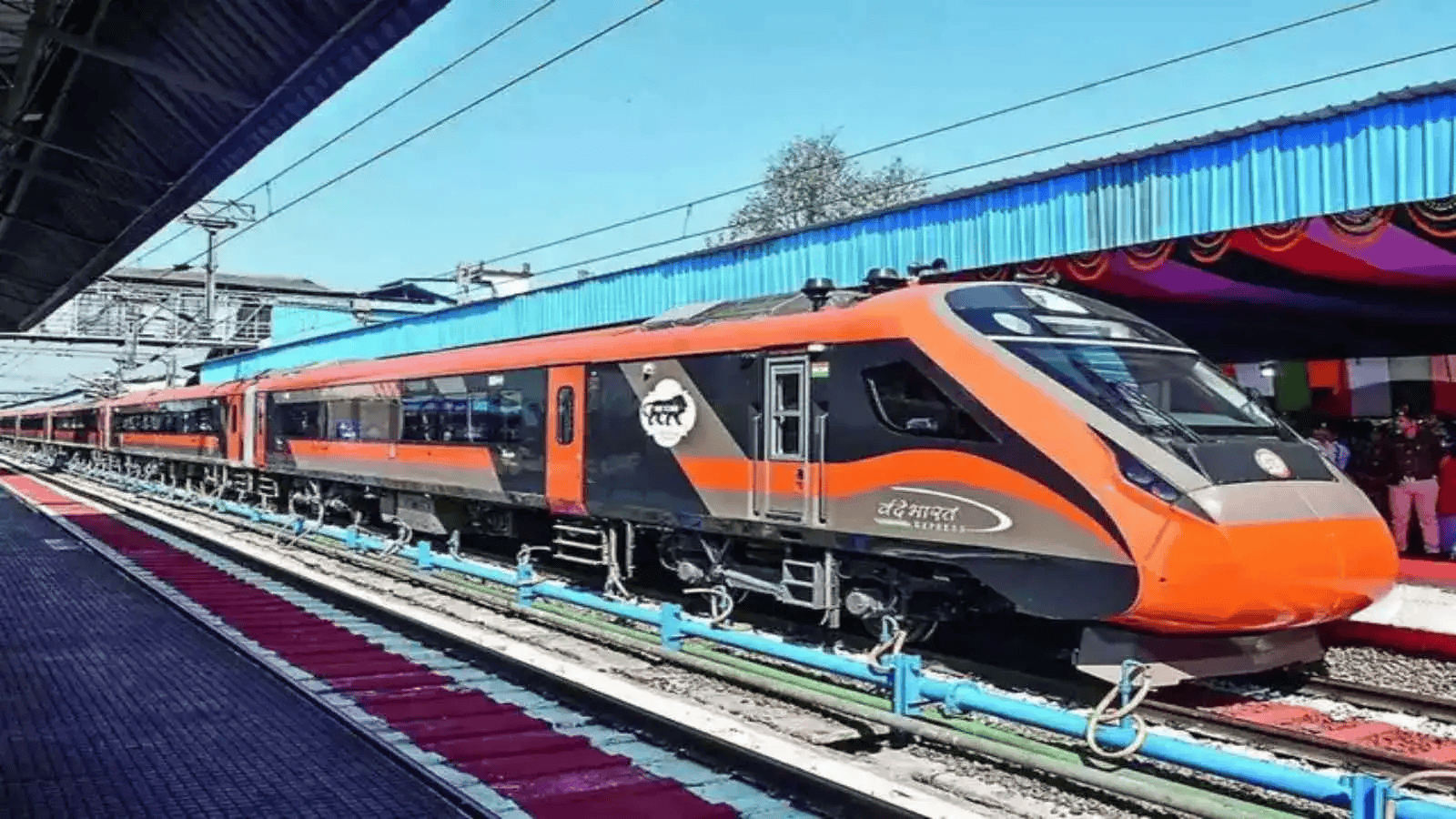
Indian Railways is accelerating its modernisation drive with the planned establishment of a dedicated Vande Bharat train depot in Mumbai, strategically located between Jogeshwari and Ram Mandir stations. This six-acre facility marks a significant step towards enhancing high-speed rail infrastructure, promising to transform urban and inter-city connectivity.
The initiative underscores a robust commitment to sustainable transportation, aiming to reduce carbon emissions and foster a more eco-friendly, equitable urban mobility landscape for the financial capital. The selection of this prime six-acre site by Western Railway for Mumbai’s inaugural Vande Bharat and Vande Sleeper depot is a pivotal move in the national railway network’s ambitious upgrade. Designed initially to accommodate five to ten Vande Bharat trains, the depot possesses the capacity for future expansion to house up to 50 high-speed trains.
These modern rakes are engineered for speeds up to 160 km/h, aligning with the broader national goal of achieving faster, more efficient, and environmentally conscious rail travel. General Manager, WR, Ashok Kumar Misra, affirmed the readiness of existing infrastructure for 160 km/h operations, with the Jogeshwari Terminus project also progressing steadily. This development is not merely about increasing train capacity; it represents a fundamental shift towards sustainable urban mobility. Vande Bharat trains, with their advanced technology and electric propulsion, contribute significantly to reducing the carbon footprint of transportation.
By offering a comfortable and efficient alternative to road and air travel, they encourage a modal shift towards rail, thereby mitigating traffic congestion and lowering greenhouse gas emissions in densely populated corridors. This aligns directly with the vision of creating zero net carbon cities, where public transport systems play a central role in environmental stewardship. The strategic placement of the depot in Mumbai, a sprawling metropolis, also has profound implications for equitable urban development. Improved high-speed rail connectivity will enhance accessibility for a diverse range of commuters, including business travellers, students, and daily passengers. This can lead to more balanced regional growth by connecting peripheral areas to the city’s economic core, fostering greater social and economic inclusion. Furthermore, the creation of such a specialised depot generates skilled employment opportunities in maintenance, operations, and technical support, contributing to a more gender-neutral workforce within the railway sector.
While Western Railway has identified its site, Central Railway has proposed Wadi Bunder near CSMT for its depot facility, citing its excellent connectivity and potential for future expansion. This dual approach ensures comprehensive coverage for Mumbai’s vast railway network, catering to the operational demands of both zones. The parallel development of these facilities highlights a coordinated effort by Indian Railways to bolster its maintenance and operational capabilities for the rapidly expanding fleet of Vande Bharat trains, ensuring their long-term efficiency and reliability.
Ultimately, the establishment of Mumbai’s Vande Bharat depots is a testament to India’s unwavering commitment to modernising its railway infrastructure. This investment in high-speed, eco-friendly rail technology is not just about faster journeys; it is about building a sustainable future for urban mobility. By prioritising efficiency, environmental responsibility, and equitable access, these depots will serve as critical enablers for Mumbai’s continued growth as a smart, green, and inclusive global city.
Also Read :Mumbai Faces Rs 395 Crore Dispute Over Railway Land Pipeline Dues
Mumbai Gets Vande Bharat Depot Boosting Green Rail Connectivity
