


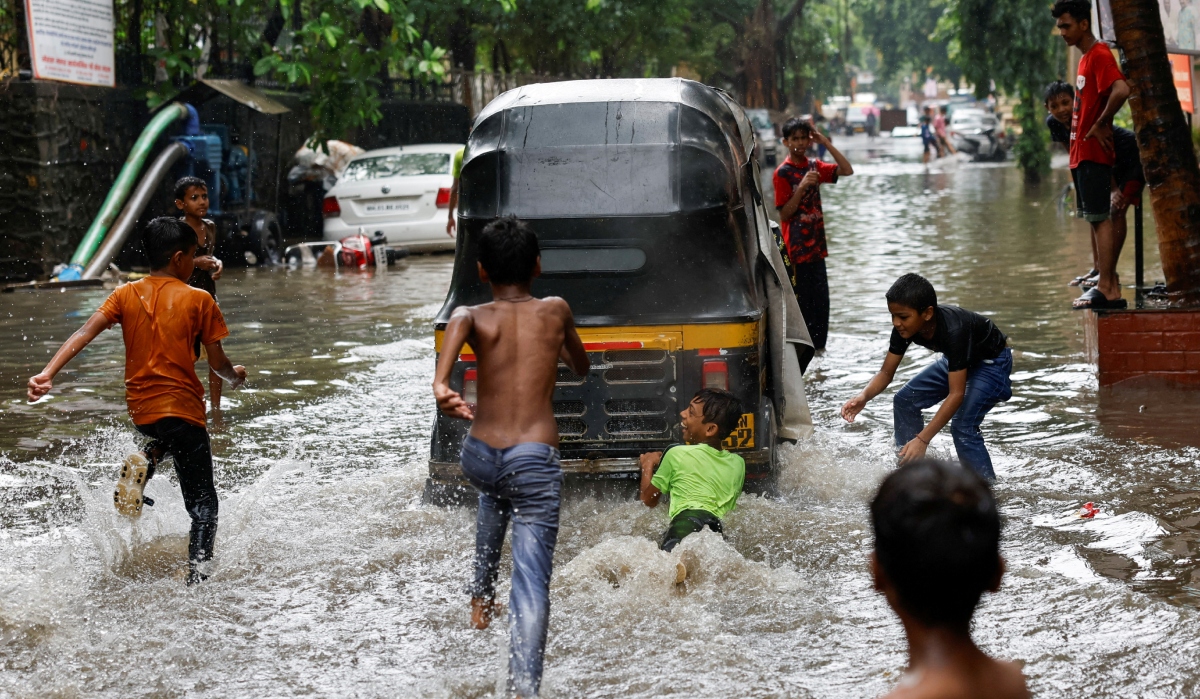
Mumbai and its surrounding regions have been placed on high alert following heavy rainfall warnings from the India Meteorological Department (IMD).
With flood-prone zones under threat and extreme weather forecast for the coming days, Deputy Chief Minister Eknath Shinde has called for maximum preparedness from the state’s urban and disaster response systems.In an urgent review meeting held on Monday, Shinde—who also oversees Urban Development and Housing—directed municipal corporations and district collectors across Mumbai, Konkan and western Maharashtra to activate emergency flood response mechanisms. Specific instructions were issued for districts such as Pune, Satara, Raigad, Ratnagiri, Sindhudurg, Thane and Palghar, where rainfall over the last two days has already triggered localised flooding and disruption.
Civic authorities across Mumbai have been asked to focus on low-lying flood zones that historically bear the brunt of monsoon inundation. These include parts of Sion, Chembur, Kurla, Andheri, Dadar and Dahisar, where a few hours of intense rain often overwhelm the stormwater infrastructure. Shinde stressed the need for round-the-clock control room operations, functional pumping stations, and immediate desilting of drains still clogged with pre-monsoon debris.This high-alert status comes as Mumbai continues to grapple with its fragile urban infrastructure, which struggles to cope with the increasing intensity of rainfall caused by climate variability. The city’s stormwater drainage network—based on colonial-era engineering—is still not equipped to handle more than 25 mm of rainfall per hour, far below what is now considered standard during peak monsoon spells.
Officials said that additional manpower has been deployed in the most vulnerable flood zones, and backup power has been secured for pumping stations to prevent delays in water evacuation. State Disaster Response Force (SDRF) teams have been stationed at strategic locations, while coordination with the National Disaster Response Force (NDRF) has been strengthened to ensure timely intervention if flood levels rise.Urban planners and environmental experts have long warned that Mumbai’s flood risk is a consequence of both climate change and unregulated urbanisation. Natural water holding areas have been replaced with concrete development, mangroves have been cleared, and critical water channels have been narrowed or blocked. The result is a city increasingly exposed to waterlogging, infrastructure breakdown, and risk to life during the monsoon.
Shinde’s directives included a push for real-time weather tracking, improved public warning systems and civic readiness to evacuate residents if required. He also called for transparent inter-departmental coordination and immediate restoration of basic services like electricity and water supply in affected zones.As Maharashtra prepares for what could be another intense monsoon season, the urgency to build climate-resilient cities has never been clearer. While the state’s short-term focus remains on disaster preparedness and rapid response, long-term urban safety hinges on investments in eco-sensitive planning, green infrastructure and equitable urban development.
Whether Mumbai’s flood zones can withstand this season’s deluge will depend not just on rain forecasts—but on how swiftly the administration can turn warnings into action.
Also Read : 50-year May rain record broken in Pune tehsils
