Mumbai Advances Inclusive Mithi River Cleanup Plans
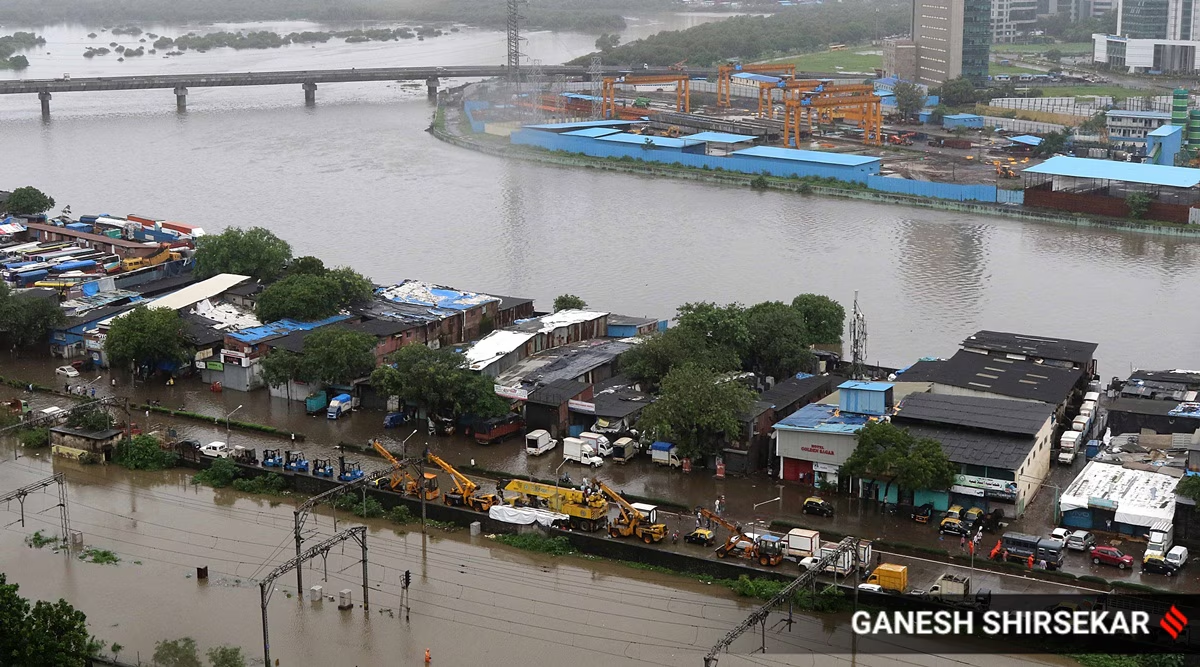
Large sections of Mumbai’s flood-critical Mithi River have seen no desilting activity for over six months, raising fresh concerns about the city’s preparedness ahead of the next monsoon cycle. Civic data reviewed by Urban Acres indicates that between August 2025 and the end of January 2026, no silt was removed across eight of the river’s ten identified stretches, despite repeated warnings from urban planners and hydrology experts.
The Mithi River, which cuts across the city’s eastern and western suburbs before draining into Mahim Creek, is a key component of Mumbai’s stormwater system. Its capacity to carry excess rainwater directly influences flooding risks in low-lying neighbourhoods, transport corridors, and industrial zones. Prolonged delays in desilting, especially during the post-monsoon window traditionally used for such work, significantly reduce the river’s ability to absorb heavy rainfall.Civic officials familiar with the matter attribute the slowdown to a combination of contractual bottlenecks, delayed clearances, and coordination gaps between departments responsible for stormwater drains, solid waste removal, and environmental approvals. While limited maintenance was undertaken along two stretches, the majority of the riverbed remains choked with accumulated debris, construction waste, and natural sediment.
Urban flood experts caution that the absence of routine desilting has cumulative consequences. Over time, sediment raises the riverbed level, narrows flow channels, and increases the likelihood of water spilling into adjacent neighbourhoods during intense rainfall events. Areas along the Mithi basin house dense informal settlements, commercial hubs, and critical transport infrastructure, amplifying the social and economic fallout of any flooding episode.The issue also highlights a deeper governance challenge in Mumbai’s climate adaptation strategy. Desilting is often treated as a reactive exercise triggered by flooding rather than as part of a year-round resilience programme. Environmental planners note that sustainable river management requires continuous monitoring, transparent reporting of extracted material, and scientifically determined targets rather than seasonal, volume-driven contracts
Residents’ groups along the Mithi corridor have repeatedly flagged the visible rise in riverbed levels and the spread of stagnant water pockets, which pose public health risks even outside the monsoon. In the absence of desilting, these conditions can worsen water quality and undermine ongoing river rejuvenation efforts aimed at restoring ecological balance.From an urban development perspective, the delay carries implications for real estate and infrastructure planning in flood-prone zones. Insurance risks, construction approvals, and long-term land use decisions increasingly hinge on demonstrable flood mitigation measures, especially as climate variability intensifies rainfall patterns across the Mumbai Metropolitan Region.
With the next monsoon only months away, urban planners argue that the focus must shift from emergency responses to predictive maintenance and accountability-driven execution. Accelerating desilting across all stretches of the Mithi, backed by independent audits and public disclosure of progress, could help rebuild confidence in Mumbai’s flood management systems.As climate pressures mount, the Mithi River’s condition will remain a litmus test for how India’s financial capital balances rapid urbanisation with the basics of resilient, people-first infrastructure.