


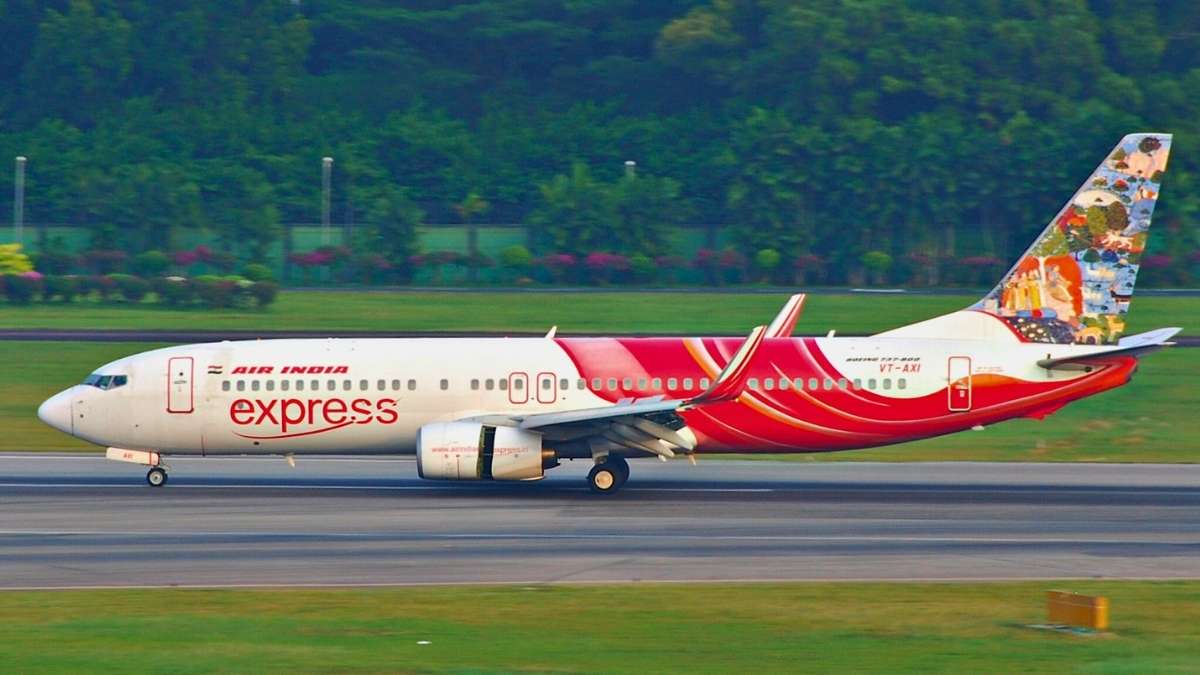
Mumbai Airport witnessed a precautionary safety manoeuvre on Friday when a domestic Air India flight bound for Jodhpur aborted its take-off after the cockpit crew detected a technical fault during the initial roll. The aircraft was safely taxied back to the bay, and all passengers were later re-accommodated on alternative flights. According to airline officials, the decision was taken swiftly and in complete adherence to international aviation safety protocols. Aborted take-offs, though infrequent, are a critical safeguard in modern aviation, designed to prevent risks when discrepancies are identified at high speeds. The incident underscored the crew’s attentiveness and the importance of layered safety checks that define contemporary flight operations.
The aircraft was immediately grounded for detailed inspection. Engineers conducted system diagnostics before it could be released back to service. While passengers faced temporary disruption, the airline maintained that its first priority was to ensure safety rather than punctuality. “Passenger safety is non-negotiable, and such measures reinforce the robustness of civil aviation systems,” an industry expert noted. The disruption also highlights the growing pressure on India’s aviation ecosystem, particularly at Mumbai Airport, one of the busiest hubs in the country. With passenger numbers surging year on year, airlines are tasked with not just efficiency but resilience in operations. Aviation analysts argue that such safety-driven interventions should be seen not as lapses but as proof that rigorous monitoring mechanisms are actively in place.
Also Watch: An Exclusive Interview with Sanjeev Jaiswal (IAS), CEO MHADA
In recent years, regulators and operators have collectively pushed for stronger protocols around technical inspections, fuel efficiency and carbon neutrality. Grounding aircraft for checks, while disruptive, plays into a broader sustainability agenda. Modern inspections not only prevent accidents but also enable fleets to function at optimal efficiency, thereby reducing unnecessary emissions caused by technical underperformance.The episode also raises questions about how airlines manage passenger experience during sudden operational halts. Officials confirmed that those booked on the affected flight were given alternate arrangements, a practice increasingly vital as India’s air travel market expands. For passengers, particularly those travelling for work or medical reasons, timely re-accommodation is as crucial as the technical rectification itself.
