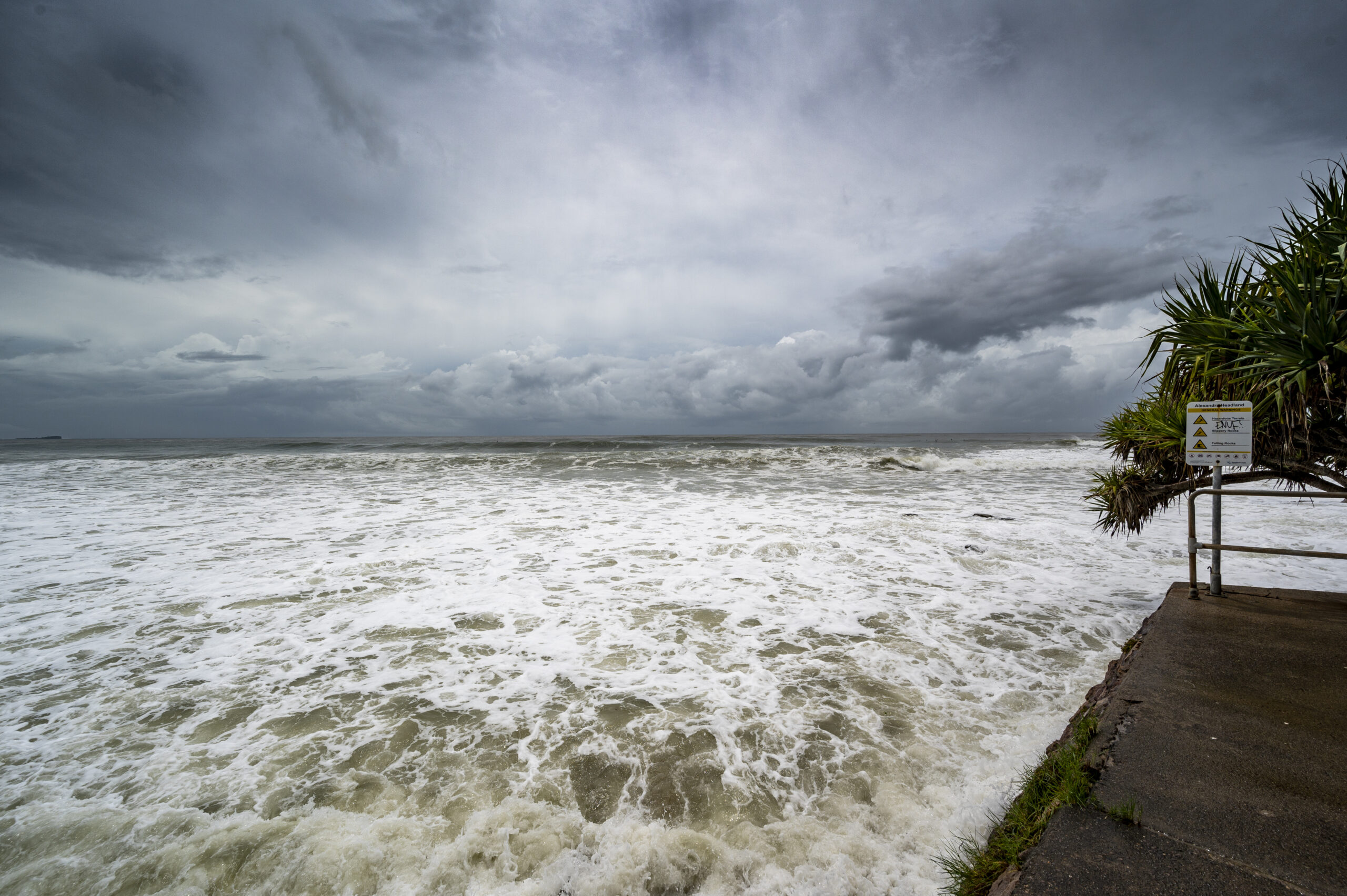
Mumbai flash flood alert as Konkan faces heavy rain
A fresh weather alert has placed Maharashtra’s Konkan belt, including Mumbai, under the scanner, as the Indian Meteorological Department (IMD) has warned of moderate to high risk of flash floods over the next 24 hours. The forecast, issued on Sunday morning, cautioned that low-lying regions and already saturated soil zones may face waterlogging and inundation due to the persistent downpour.
The warning extends to Mumbai City, Suburban Mumbai, Palghar, Raigarh, Ratnagiri, and Sindhudurg districts, besides neighbouring Goa. Officials from the IMD highlighted that the combination of heavy to very heavy rainfall with gusty winds of up to 60 kmph poses a significant challenge to urban mobility, coastal infrastructure, and fragile ecosystems.
Meteorological projections suggest that rainfall intensity over the Konkan and Goa belt will remain elevated for at least four days, peaking between August 16 and 19. The Ghat regions of Madhya Maharashtra are also expected to experience extreme precipitation, which could aggravate the risk of landslides, swollen rivers, and disrupted transport corridors. Mumbai, where rainfall often overwhelms its ageing drainage systems, remains particularly vulnerable. City engineers acknowledge that while pumping stations and stormwater upgrades have improved flood resilience, urban sprawl and encroachment on natural floodplains continue to undermine the effectiveness of flood management. Civic authorities have issued advisories urging residents in low-lying neighbourhoods to remain vigilant and avoid unnecessary travel.
Experts warn that recurring flash flood threats across Konkan underscore the need for climate-sensitive urban planning. Coastal cities such as Mumbai have witnessed an upsurge in construction along riverbanks and mangroves, ecosystems that naturally absorb floodwaters. Environmental planners argue that restoring green buffers and integrating sustainable drainage systems into city development are essential for reducing disaster risk. Transport has already begun to feel the strain. National highways connecting Mumbai with Pune, Ratnagiri, and Goa are reporting waterlogging and slower traffic, while airlines are monitoring weather conditions for possible flight disruptions. Authorities in affected districts are keeping emergency teams on standby, with instructions to move relief units in case of severe flooding.
Officials emphasise that the current weather pattern is part of a larger climate variability linked to the South West Monsoon. With rainfall excesses becoming more erratic, the pressure on urban infrastructure is expected to intensify unless structural resilience measures are accelerated. While Mumbai and Konkan residents brace for another rain-soaked weekend, the episode once again highlights the delicate balance between urban growth and environmental sustainability. The challenge ahead lies in ensuring that disaster management is matched by long-term eco-sensitive planning that prioritises safety without compromising ecological stability.