


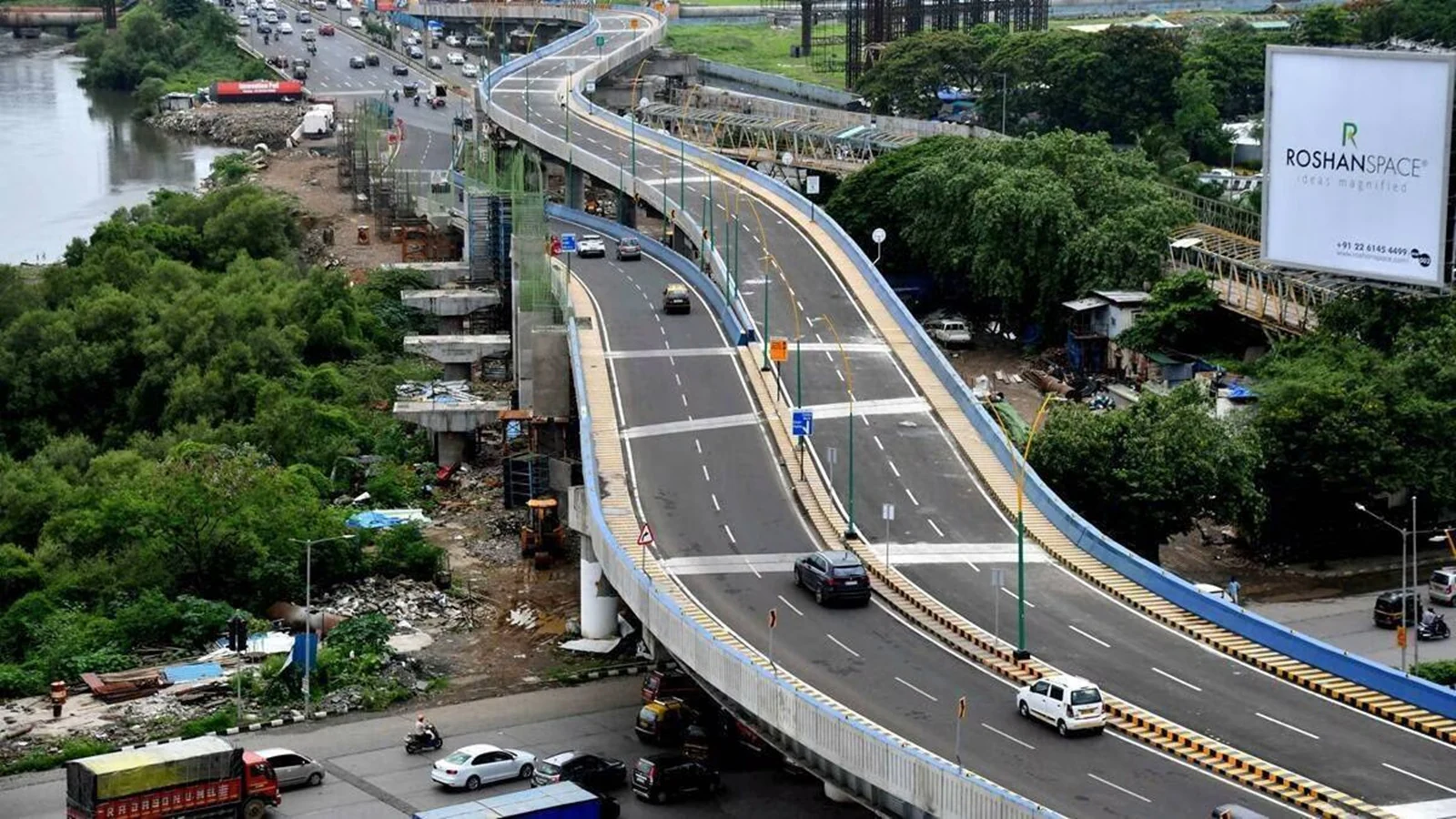
Mumbai is set to witness a transformative leap in urban connectivity as the Brihanmumbai Municipal Corporation (BMC) confirmed that the first flyover of the Rs 14,000 crore Goregaon Mulund Link Road (GMLR) project will be operational by May next year. This 1.2-kilometre elevated corridor marks the completion of the first phase of a strategic 12.2-kilometre high-speed arterial link connecting the western suburb of Goregaon to Mulund in the east.
Officials indicated that the flyover, originating near the Dindoshi court and extending to Sanjay Gandhi National Park (SGNP), will provide motorists direct access to the twin tunnels that form the next stage of the GMLR project. The tunnels, stretching 6 kilometres eastwards beneath SGNP, are slated for completion by 2028, with the full corridor expected to become fully operational by 2029. The flyover, featuring six vehicular lanes, elevated rotary intersections, and pedestrian walkways on either side, is designed to significantly reduce the current travel time between Goregaon and Mulund. Presently, commuters endure peak-hour travel of 75 to 90 minutes across this corridor. Upon completion, travel time is expected to drop to just 25 minutes, creating a substantial impact on traffic decongestion and commuter convenience.
As of now, 27 of the 31 flyover pillars have been erected, with the remaining four underway. Officials said the west-bound arm of the flyover is scheduled for completion by January 2026, with the east-bound arm expected by April 2026. Ancillary works, including deck slabs and finishing of elevated intersections, will be completed before the May launch. Experts highlight that the GMLR is not only a critical infrastructural project but also a step toward sustainable urban mobility. By providing direct links and reducing congestion on existing arterial roads, the project aims to minimise vehicular emissions and improve traffic flow, contributing to the city’s larger climate and sustainability goals.
The BMC project is divided into four phases, with underground tunnels and interchanges designed to integrate seamlessly with the flyover. Officials emphasised that once the tunnels are operational, vehicles will have direct, uninterrupted access from the flyover, further easing the east-west movement across the city. In addition to improving commuter experience, the GMLR is expected to catalyse development along the corridor, offering an eco-friendly urban transport solution while mitigating traffic pressures on existing routes. For a city grappling with growing congestion and travel inefficiencies, the GMLR’s phased completion offers a promising future for both mobility and urban planning.
Also Read: PCMC Promises To Repair Hundreds Of Pimpri-Chinchwad Potholes Before Diwali Festival
