


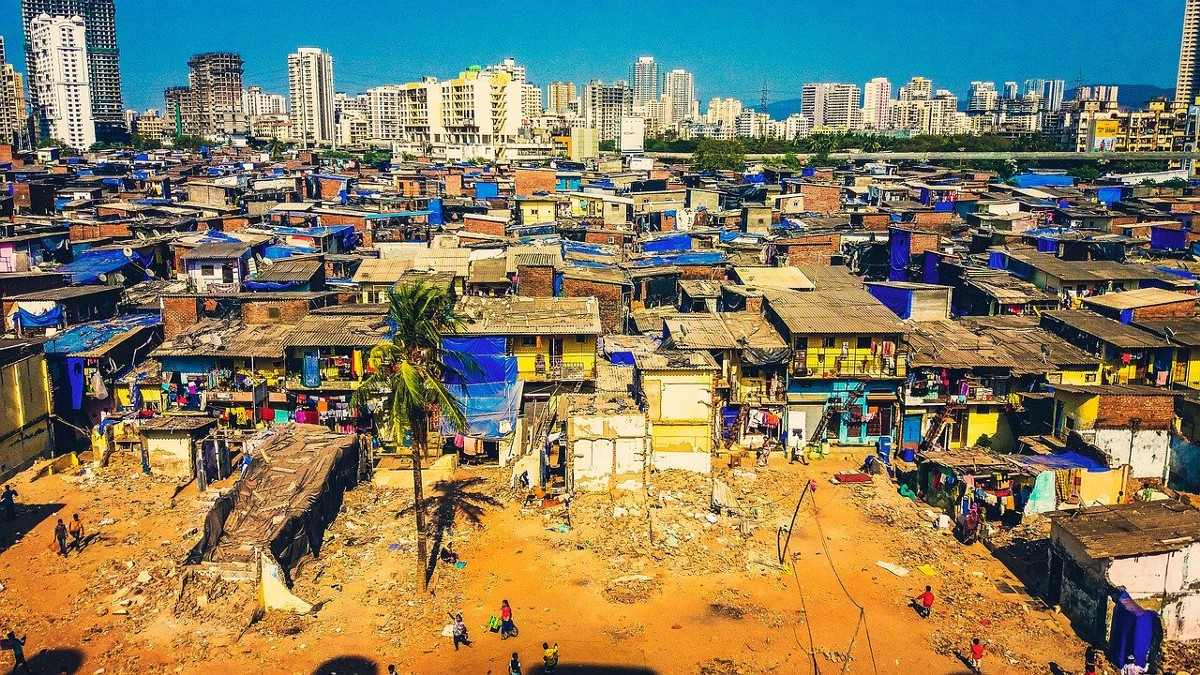
A recent fire near the Harbour Line railway corridor has accelerated calls to prioritise safety as the Dharavi redevelopment moves forward. The incident, which forced temporary suspension of train operations and affected thousands of commuters, has highlighted the urgent need for planned infrastructure, reliable emergency access, and safer public spaces in one of Mumbai’s most densely populated informal settlements.
While the redevelopment has long been framed as an economic and urban transformation project, the fire has reframed the conversation around risk, resilience, and public safety. State officials confirmed that the master plan will now place greater emphasis on widening internal road networks, improving fire engine access, and incorporating open public spaces that can function as evacuation pathways during emergencies. Residents say the fire exposed long-standing vulnerabilities. “Once flames spread, it became nearly impossible to move around because the lanes are so congested,” said a local resident who witnessed the incident. “People panicked, and several rushed to the railway tracks because there was nowhere else to go.”
Experts note that Dharavi’s existing built fabric—high-density structures, flammable materials, and missing fire gaps—creates ideal conditions for disasters. Even small fires can quickly escalate, threatening adjacent economic clusters and critical infrastructure such as the railway line. An urban development official involved in planning confirmed that new fire-safety measures have been incorporated into the revised blueprint. “All mandatory access widths under the Development Control and Promotion Regulations have been adhered to. The new road system ensures every sector is reachable by fire and medical services,” the official stated.
Among the key upgrades is a proposed 20-metre-wide road along the Western–Harbour railway track, designed to function as a safety buffer. This corridor will not only support smooth movement during emergencies but also create a clear separation between residential structures and the transport network. Another green buffer has been proposed along the Central Railway alignment to reduce risk and improve environmental conditions. Urban planners say that integrating open spaces, planned mobility corridors, and resilient infrastructure is essential for an equitable and safe redevelopment outcome. They argue that a liveable Dharavi must balance density with climate resilience, public health, and basic safety compliance — principles central to sustainable city-building.
As redevelopment progresses, the fire has become a reminder that city-making is not only about new buildings but about safeguarding lives. For many residents, the measure of success will not be the skyline change, but whether emergencies can be handled without disruption — and without fear.
Also Read: Mumbai Closes Nineteen RMC Plants And Clears Three Illegal Metal Units In Sion
Mumbai Fire Near Railway Track Sparks Urgent Focus On Safer Dharavi Redevelopment
